 EN

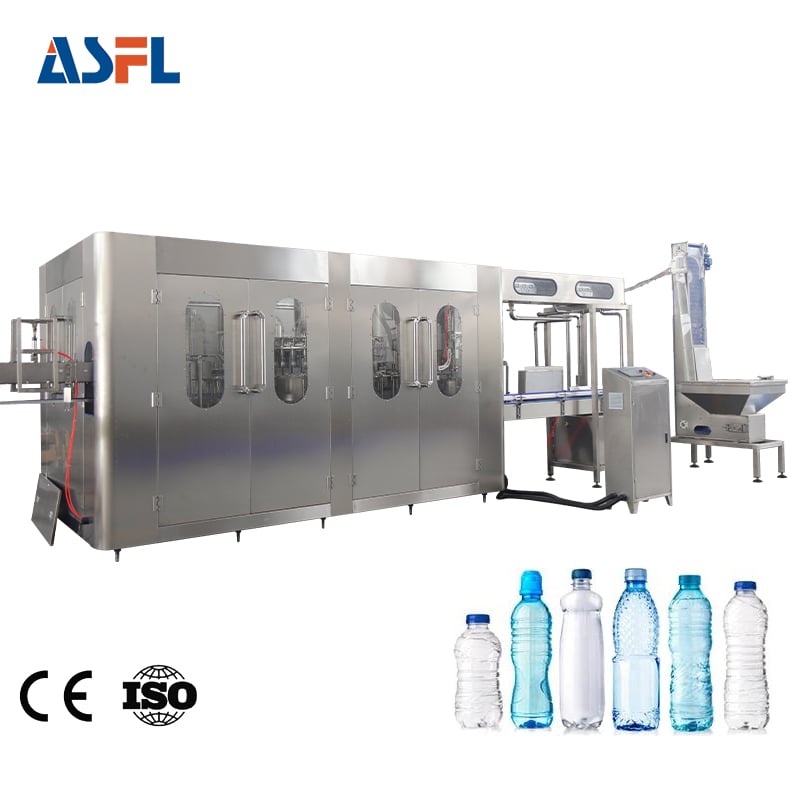
When packaging carbonated soft drinks, sparkling waters, and craft sodas, maintaining dissolved carbon dioxide levels while preventing foaming presents an intense engineering challenge. Traditional standalone filling and capping units require open-air container transfer between separate machines, resulting in pressure drops, CO2 degassing, and increased oxygen pickup. Deploying an integrated soda filling and capping machine eliminates these operational vulnerabilities by housing both precise isobaric dosing and crown or screw capping turrets within a single, synchronized monoblock enclosure. This seamless physical integration is the cornerstone of modern carbonated beverage bottling equipment design.
By consolidating bottle transport into a unified starwheel carousel, plant managers protect beverage quality and maximize soda packaging line efficiency. Isobaric filling relies on equalizing container pressure with the liquid bowl pressure before dispensing, ensuring that carbonated liquids flow smoothly against the inner bottle walls without violent bubbling. When the filled bottle immediately transitions to the adjacent capping turret under constant mechanical control, gas retention is maximized, and oxygen ingress is completely prevented.
To explore advanced monoblock architectures and high-speed carbonation systems designed for beverage manufacturing, you can examine our core system portfolio at ACE-FILLING beverage packaging machinery. Aligning your production floor with integrated monoblock technology guarantees superior product carbonation retention and long-term operational reliability.
The primary operational advantage of a monoblock soda filling machine benefits plant operators by drastically reducing the time interval between fluid dispensing and airtight container closure. In carbonated beverage lines, every microsecond that a filled bottle spends exposed to ambient air or unstable pressure causes dissolved CO2 to escape into the atmosphere, leading to flat-tasting beverages and inconsistent carbonation levels.
Key technical advantages of integrated monoblock design include:
-
Immediate Capping Transfer: The filled container is transferred instantly via synchronized starwheels directly to the capping head, preventing pressure decay and gas flashing.
-
Precise Isobaric Pressure Equalization: Advanced counter-pressure mechanisms match bottle internal pressure exactly with the liquid bowl, protecting delicate flavor profiles and foam stability.
-
Synchronized Drive Architecture: A single primary drive shaft coordinates both the filling bowl rotation and the capping turret, preventing mechanical timing slippage.
-
Consistent Crown or Screw Application: Integrated torque-limiting capping chucks apply uniform downward force to secure closures without damaging bottle neck threads or crown lips.
These engineering attributes ensure that each bottle retains its target carbonation volume from the mixing tank all the way to the retail distribution pallet.
Evaluating the financial and operational impact of equipment architecture requires analyzing how different production configurations handle line speed, floorspace, and product quality. The matrix below contrasts traditional standalone setups with modern integrated monoblock systems.
| Evaluation Parameter | Standalone Filling and Capping Setup | Integrated Soda Filling and Capping Machine | Operational Impact on Beverage Plant |
| Floor Space Requirement | Large; requires extensive conveyor bridging between separate units | Compact monoblock footprint combining multiple operations | Optimizes cleanroom floor space and reduces factory layout costs |
| Carbonation Retention | Moderate; CO2 degassing occurs during exposed container transfers | Superior; immediate closure preserves dissolved gas levels | Guarantees consistent product taste and retail carbonation standards |
| Mechanical Synchronization | Prone to timing drift and bottle collisions at conveyor transfers | Perfect mechanical harmony driven by a unified central gearbox | Eliminates micro-stoppages and boosts overall equipment effectiveness (OEE) |
| Maintenance Complexity | High; multiple independent drives, motors, and control panels | Low; centralized lubrication and streamlined PLC control architecture | Reduces routine maintenance hours and spare parts inventory |
This comparative breakdown demonstrates why integrated monoblock machinery has become the universal standard for commercial carbonated beverage production lines.
A practical illustration of the value of monoblock technology involves a regional craft soda producer that initially operated legacy standalone filling and capping machines linked by conventional air conveyors. The facility suffered from frequent bottle tipping during high-speed transfers, excessive CO2 loss, and high product rejection rates due to inconsistent crown crimping.
Upon consulting with our packaging engineering division, the enterprise replaced their fragmented setup with a high-performance integrated soda filling and capping machine. The upgrade transformed their entire manufacturing workflow, resolving their persistent quality bottlenecks in a single step.
The measurable results achieved by the facility included:
-
Dissolved CO2 retention increased by over twelve percent, resulting in a noticeably crisper taste and extended retail shelf life.
-
Line stoppages caused by container transfer jams were entirely eliminated, increasing overall equipment effectiveness (OEE) significantly.
-
Factory floor space utilization improved, allowing the plant to install an automated secondary packaging system in the freed-up area.
-
Labor overhead associated with manual machine monitoring and frequent troubleshooting decreased by more than forty percent.
While integrated monoblock machinery delivers exceptional performance and durability, plant engineering teams must adhere to disciplined maintenance routines to ensure long-term mechanical accuracy and sanitary compliance.
Recommended maintenance and operational practices for integrated systems include:
-
Performing routine inspections of isobaric valve seals, centering guides, and return gas tubes to prevent pressure leakage during filling cycles.
-
Calibrating capping head torque clutches regularly to ensure consistent seal application across varying bottle tolerances.
-
Executing automated Clean-In-Place cycles using verified temperature and chemical titration parameters to scour internal counter-pressure channels thoroughly.
-
Monitoring drive gear lubrication levels and synchronous belt tensions to prevent micro-backlash during high-speed multi-shift operations.
By following these structured maintenance guidelines, facilities utilizing carbonated beverage bottling equipment ensure maximum operational uptime, pristine product quality, and sustained profitability in competitive markets.





 Hot News








