 EN

In the commercial wine production industry, visual uniformity and net-content compliance are non-negotiable. When consumers inspect a row of wine bottles on a shelf, any noticeable variance in fill height immediately signals poor quality control. Behind this flawless visual presentation lies complex engineering. Specifically, how does an Automatic Wine Bottle Filling Machine maintain precise liquid level control across thousands of fragile glass containers per hour?
As a specialized engineering focus at ACE-FILLING, achieving exact fill heights requires a sophisticated harmony of mechanical positioning, fluid dynamics, sensor feedback, and valve timing. This technical deep dive explores the mechanisms that govern accurate liquid level control in modern wine packaging lines.
Mechanical Foundation: Bottle Positioning and Stability
Accurate liquid level control begins long before the wine touches the glass. If a bottle wobbles, cocks slightly to the side, or sits at an uneven elevation on the conveyor, even the most advanced valve cannot deliver consistent results.
To counteract this, an Automatic Wine Bottle Filling Machine engineered by ACE-FILLING employs rigorous mechanical pre-positioning:
-
Star Wheel and Infeed Guides: Bottles are smoothly segregated and fed into the carousel using precision timing screws and star wheels, eliminating impact shock and micro-fractures in glass.
-
Pneumatic Bottle Lifts: Heavy-duty pneumatic or mechanical lifting jacks elevate each bottle firmly against the filling valve sealing cone. This creates a hermetic seal essential for counter-pressure or vacuum-assisted filling.
-
Sensor Verification: Optical and proximity sensors confirm bottle presence and correct seating. If a bottle is jammed or missing, the filling valve remains locked, preventing product waste and spills.
Core Filling Principles and Fluid Mechanics
Wine is a delicate beverage sensitive to dissolved oxygen, temperature shifts, and foaming. Therefore, selecting the correct filling principle is vital for effective liquid level control. Different wine profiles—such as still table wines, sparkling wines, or aged reserves—demand distinct methodologies within an Automatic Wine Bottle Filling Machine.
Gravity and Level-Oriented Filling
For still wines, gravity filling is the gold standard. The liquid flows smoothly from an annular bowl into the bottle under controlled atmospheric pressure. The fill height is determined by the positioning of a vent tube inside the bottle neck. When the wine rises and reaches the bottom of the vent tube, air displacement stops, halting the liquid flow. This passive yet highly reliable method ensures uniform liquid level control across standard glass formats.
Vacuum-Assisted and Counter-Pressure Filling
For aromatic or high-speed applications, vacuum-assisted filling creates a slight negative pressure inside the bottle, drawing the wine in gently while removing excess air to protect wine quality. In contrast, sparkling wines require counter-pressure filling to maintain carbon dioxide levels and prevent excessive foaming during transfer.
Technical Parameter Comparison
To help beverage plant engineers evaluate different mechanisms used in an Automatic Wine Bottle Filling Machine, the following table outlines key performance indicators for liquid level control:
| Filling Technology | Primary Wine Type | Level Accuracy | Foaming Risk | Best Suited For |
| Gravity Level Filling | Still Table Wines | ±0.5 mm | Low | Standard glass wine bottles (750ml, 1.5L) |
| Vacuum-Assisted Filling | Fragile / Premium Wines | ±0.3 mm | Minimal | High-end aromatic white and red wines |
| Counter-Pressure Filling | Sparkling Wines & Ciders | ±0.8 mm | Moderate (Managed by pressure) | Carbonated beverages and pet-nat wines |
| Volumetric Flowmeter | Varied Viscosities | ±0.1% volume | Low | Multi-format specialty beverage packaging |
Advanced Pneumatic Valves and Sensor Integration
Modern industrial automation relies heavily on real-time feedback loops. In an Automatic Wine Bottle Filling Machine, pneumatic actuators govern valve opening and closing sequences with millisecond precision.
When executing liquid level control, the valve assembly incorporates specialized gas-return channels. As the wine enters, displaced inert gas (such as nitrogen or carbon dioxide) escapes through the return tube rather than bubbling up through the incoming stream. This eliminates turbulence, protects the wine from oxidation, and ensures that the final liquid level control remains undisturbed by surface agitation or foam accumulation.
Furthermore, programmable logic controllers (PLCs) monitor cycle times and valve dwell states. If line speed fluctuates, the control system dynamically adjusts pneumatic responses to preserve volumetric integrity.
Manufacturing Standards, Hygiene, and Quality Control (EEAT Compliance)
Industrial reliability and food safety standards are paramount in food and beverage machinery manufacturing. ACE-FILLING adheres to stringent international compliance frameworks, including ISO 9001 quality management systems, CE safety certifications, and FDA food-grade material standards.
-
Sanitary Stainless Steel Construction: All product-contact surfaces within the Automatic Wine Bottle Filling Machine are fabricated from premium AISI 304 or AISI 316L stainless steel, featuring electro-polished finishes (Ra <= 0.4 μm) to inhibit bacterial growth.
-
CIP (Clean-in-Place) Integration: Automated spray balls and dedicated cleaning circuits allow operators to sanitize internal fluid paths without manual disassembly, ensuring rigorous hygienic control between production batches.
-
Rigorous Factory Acceptance Testing (FAT): Before dispatch, every Automatic Wine Bottle Filling Machine undergoes extensive dry-run and wet-run testing in our facility to verify sealing integrity, mechanical durability, and precision liquid level control under simulated operational loads.
Conclusion and Integration
Achieving flawless results in beverage packaging requires more than just a standalone filler; it demands a fully synchronized ecosystem. By combining meticulous bottle positioning, advanced fluid dynamics, and robust sanitary standards, an Automatic Wine Bottle Filling Machine from ACE-FILLING guarantees exceptional precision and long-term operational stability.
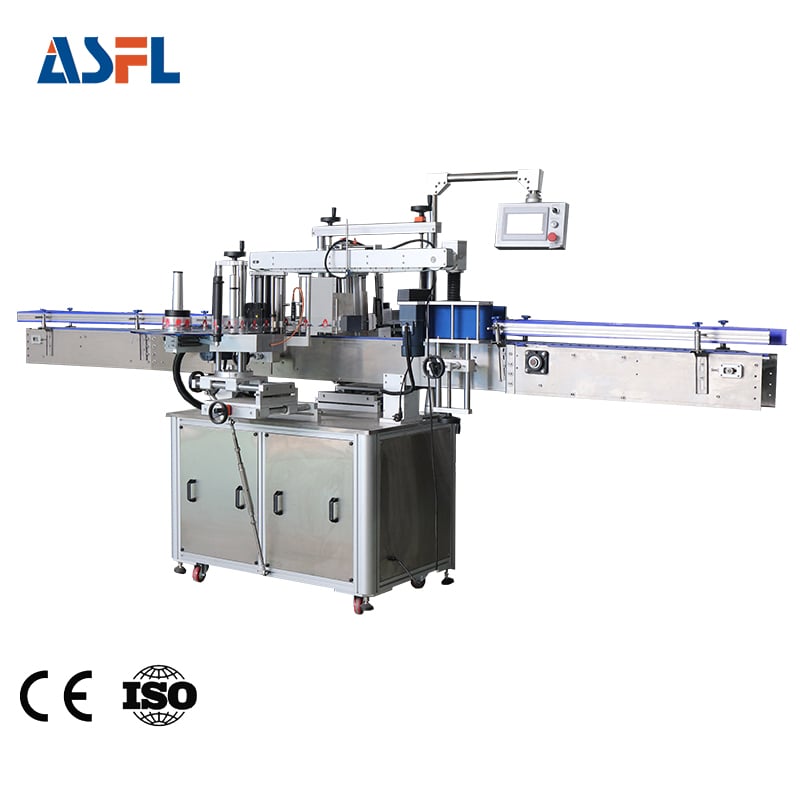
For producers seeking to expand their capabilities, our filling solutions integrate seamlessly with upstream rinsing units and downstream labeling and packaging systems. To explore complete turnkey solutions for your facility, visit our core
 Hot News








