EN
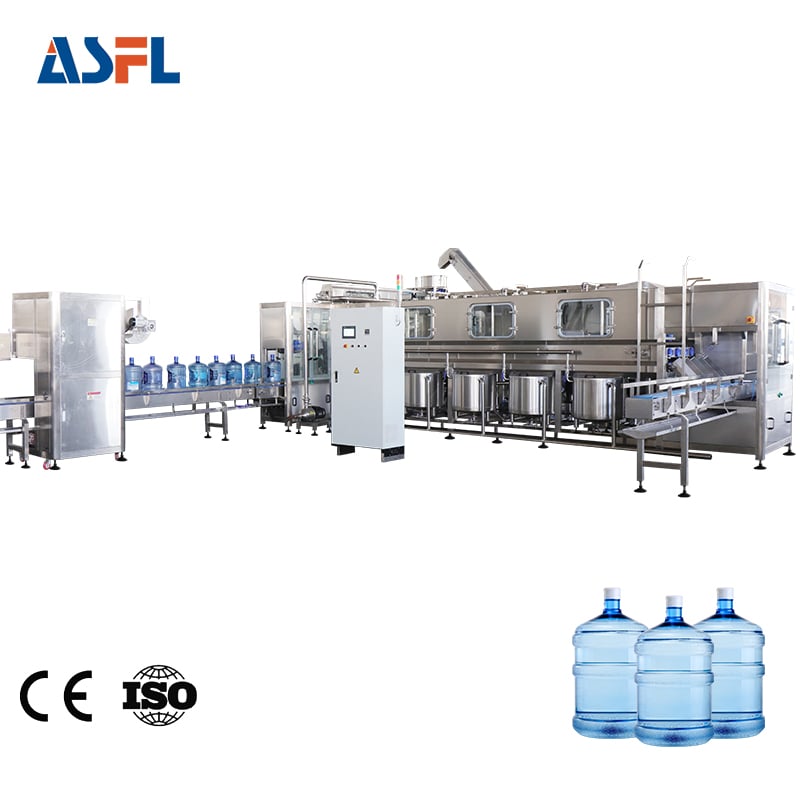
A mineral water filling line can look straightforward on a quotation: a rated output, a bottle size and a list of machines. Those figures become useful only when they describe the water, containers and shift pattern you actually intend to run. A line engineer will also ask how the rinser, filler, capper and downstream equipment interact, because the output at the end of the line matters more than the speed of one machine.
These parameters turn a broad capacity request into a specification that can be tested. The values you agree with a supplier should come from your product, packaging and local operating requirements—not from a generic machine catalogue.
Define capacity in saleable bottles, not just rated speed
For a mineral water filling line, specify the required number of accepted bottles per shift and the planned production time. Then distinguish the nominal machine rate in bottles per hour (BPH) from finished, acceptable output. Cleaning, format changes, minor stops and rejected bottles all consume time or production. A line's theoretical flow is constrained by the slowest connected stage; in practice, interruptions and rejects can shift the bottleneck.
For example, if the planning target is 24,000 accepted bottles in an eight-hour shift, and the buyer assumes a planning yield of 80% across the scheduled shift, the starting calculation is 24,000 ÷ (8 × 0.80) = 3,750 BPH. This is an illustrative assumption, not a supplier guarantee. Define the yield consistently as accepted output divided by nominal output over the same scheduled time, and validate it with actual stop and rejection data.
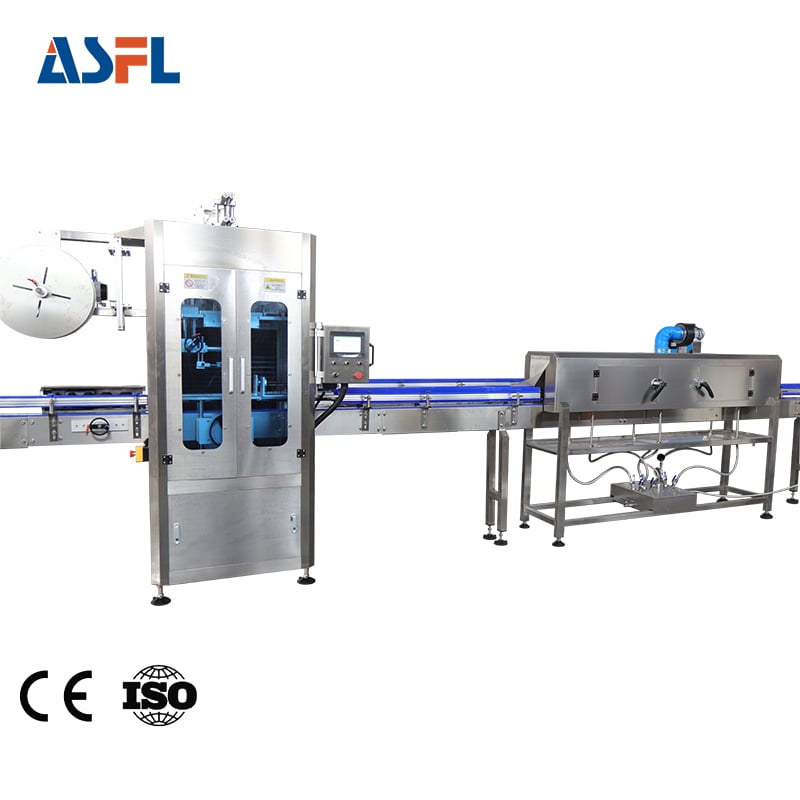
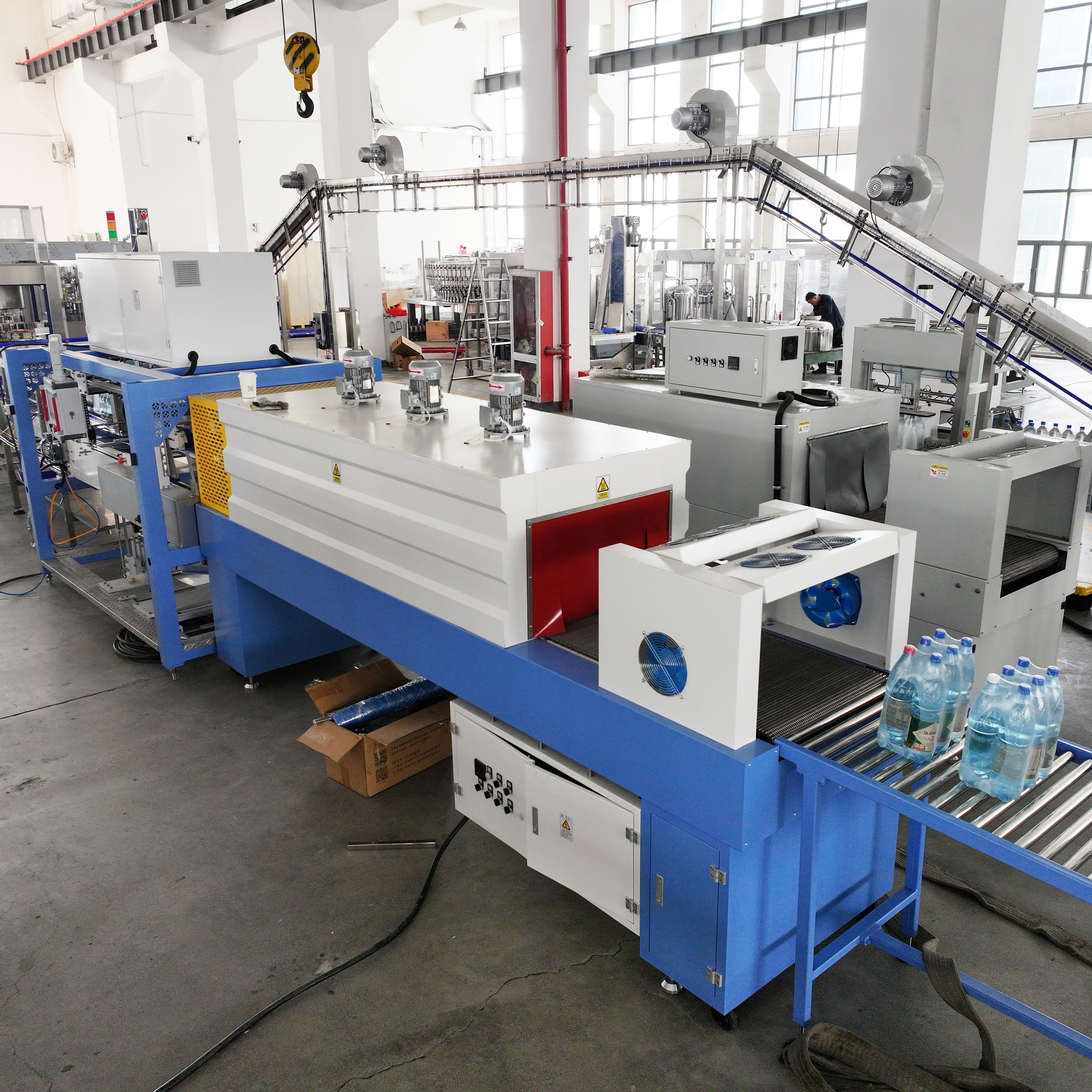
Ask the supplier to state the bottle format, product, test duration and included losses behind each capacity figure. Compare the rinser, mineral water filling machine, capper, labeler and packer at the same format; a fast filler cannot compensate for a continuously overloaded packer.
Match filling performance to the water and the container
Identify whether the product is still or carbonated, its temperature range, and its expected mineral composition. Pressure, foaming and gas retention can alter the choice of filling system. A mineral water filling line for still water should not be assumed suitable for carbonated water without checking the proposed process and pressure-rated components.
For each bottle, give the supplier the nominal fill volume, material, neck finish, height, diameter, weight and drawings or samples. A lightweight container may need careful handling at transfer points, while a different neck finish can require different gripping and capping parts. Ask which sizes are covered by the offered format parts and which require additional components.
Specify fill accuracy as a measured outcome
State your target volume, allowable variation and how samples will be measured. A meaningful acceptance plan identifies sample size, operating speed, product temperature, sampling intervals and the method for correcting readings if weight is used to infer volume. Ask the supplier to show both the average fill and the spread, including results after startup and during steady running. Avoid treating a quoted tolerance as proof until it is tested with your bottles and water.
Examine sanitation and contact materials
For a mineral water filling line, request a product-contact materials list covering the tank, pipes, valves, seals and filling heads. Confirm material compatibility with the water and cleaning chemicals, drainability, access to seals and the locations of any difficult-to-clean areas. A smooth-looking exterior does not reveal whether every product path can be inspected or cleaned effectively.
Agree on the cleaning procedure before selecting equipment. If clean-in-place is proposed, identify the circuits covered, flow and temperature requirements, chemical compatibility, contact time, return path and how cleaning will be verified. Where manual disassembly is required, ask how long it takes and who can access each part safely. Include cleaning time in the production schedule rather than leaving it out of the schedule.
Requirements depend on the destination market. For example, US bottled drinking water rules in 21 CFR Part 129 address sanitary operations, including cleaning and sanitizing water-contact surfaces and handling filling and closures hygienically. The Codex natural mineral water standard limits certain treatment approaches and protects essential constituents under its stated conditions. These references are starting points; confirm the applicable product classification and local rules with your quality team before specifying treatment.
Check bottle handling and closure control
The mineral water filling machine must receive bottles consistently and transfer them without damaging or tipping them. Request a layout showing feed direction, bottle spacing, guides, change parts and transfers to the capper. Test the lightest and tallest formats as well as the format used for the headline speed. If several bottle shapes are planned, agree whether each is included in commissioning.
For capping, document the closure drawing, material, application conditions and the torque range supplied by the closure manufacturer. Establish how torque will be checked, when samples will be taken and what happens to an out-of-range bottle. Closure integrity should also be evaluated using a test suited to the bottle and cap; a torque reading alone does not establish that every package is leak-free.
Compare utility demands and controls
A mineral water filling line needs more than floor space. Request the electrical supply and connected load, compressed-air quality and consumption, water supply and drainage requirements for each operating mode. Ask separately for peak demand and typical operating demand where available, and confirm which values include cleaning equipment or downstream machines. Verify cable routing, access clearances, floor loading and the path for replacing larger components.
On controls, review the operator panel, alarms, interlocks, speed synchronization and the handling of bottle jams or missing caps. Decide what production counts and downtime reasons must be recorded. A useful data point is a count of accepted bottles after the last relevant inspection, not merely the number of filler cycles. Confirm who can access the control program, how backups are delivered and what support is available after installation.
Put changeover and maintainability into the specification
List every planned bottle and cap combination, then ask for the parts, tools and skills required to change between them. Define changeover time from the last acceptable bottle of one format to the first acceptable bottle of the next, including adjustments and checks. This gives purchasing and operations a common basis for comparison.
Ask for wear-part lists, recommended spare quantities, maintenance intervals and access to valves, drives and guards. For a mineral water filling line with limited staff, a maintenance task that requires specialist access can matter more than a small difference in nominal speed. Confirm which documents, training and spare parts are included in the quotation.
Agree on a factory and site acceptance plan
Before ordering a mineral water filling machine, align the supplier's test plan with the finished-product target. Supply representative bottles, caps and water or an agreed test medium; if the medium differs, record the limitation. Set the run duration and operating speed, counting method, sampling frequency and agreed criteria for fill variation, closure checks, defects and stoppages. Record utility conditions and which supporting machines are actually connected.
Factory acceptance tests can expose integration issues before shipment, but site acceptance is still important because utilities, operators and upstream or downstream equipment may differ. Document open items, the party responsible for each correction and the conditions for retesting. If the full line cannot be tested together, state what remains unverified until commissioning.
Turn the parameters into a comparable quotation
Send each supplier the same bottle drawings, closure details, water characteristics, shift target and utility information. Ask for rated and acceptance speeds by format, a cleaning scope, changeover parts, exclusions and a proposed acceptance protocol. This makes a mineral water filling line comparison about demonstrated fit rather than the largest number on a brochure.
Ace-Filling works in liquid filling equipment. You can visit the Ace-Filling website and discuss your specific water, bottle and production requirements. Confirm the proposed configuration and performance in writing before making a purchase decision.
 Hot News