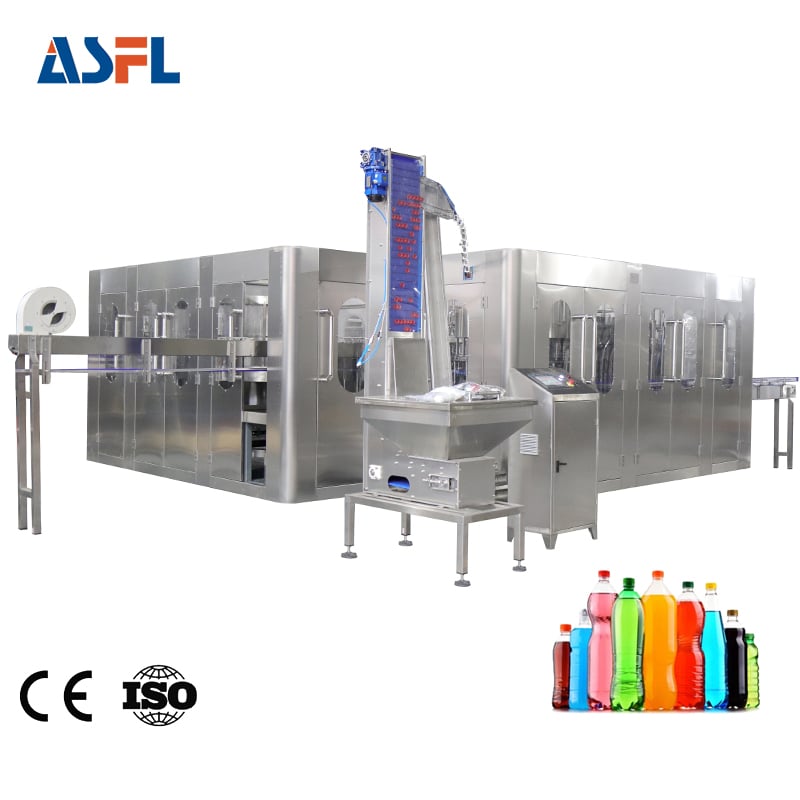
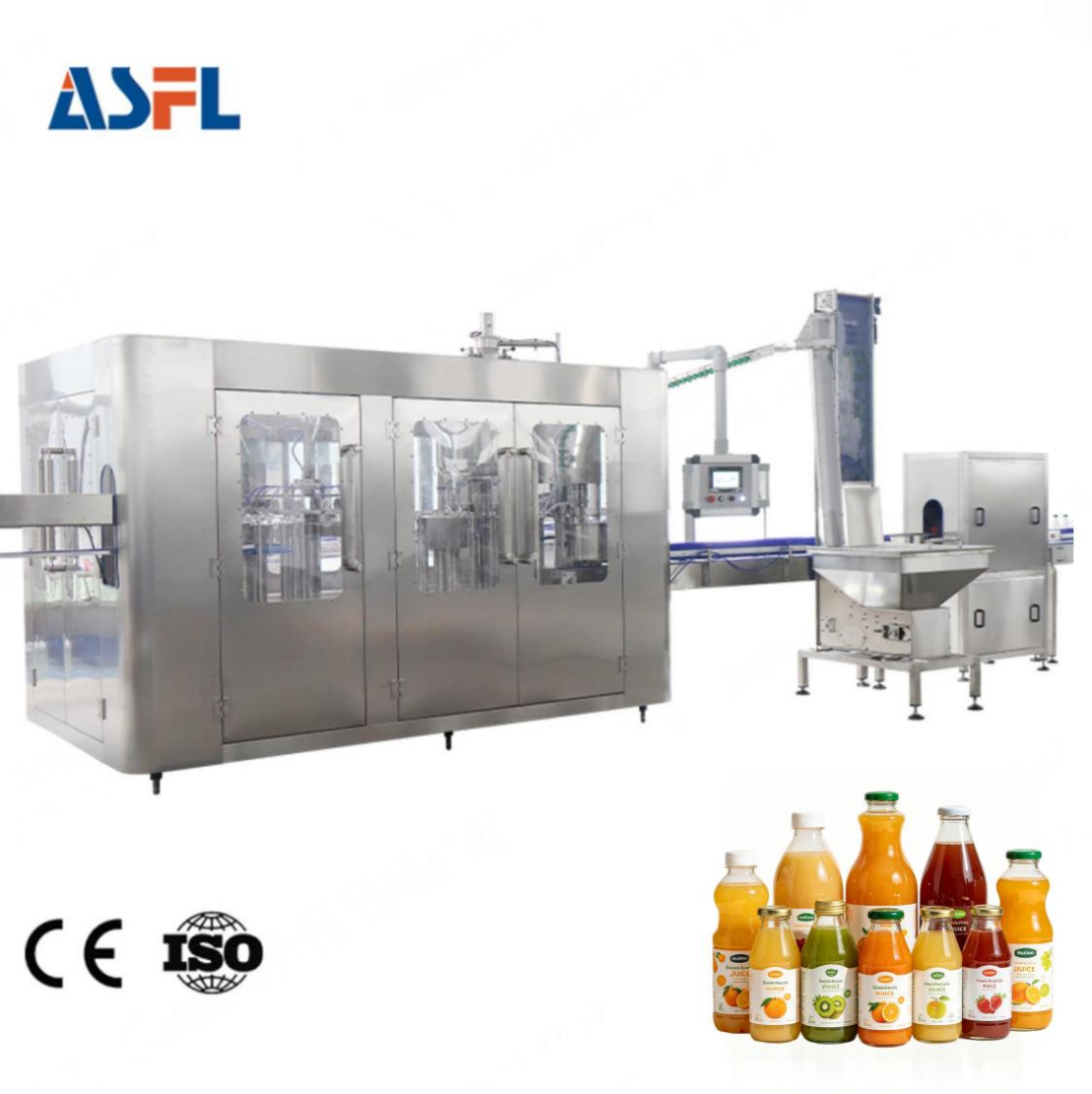
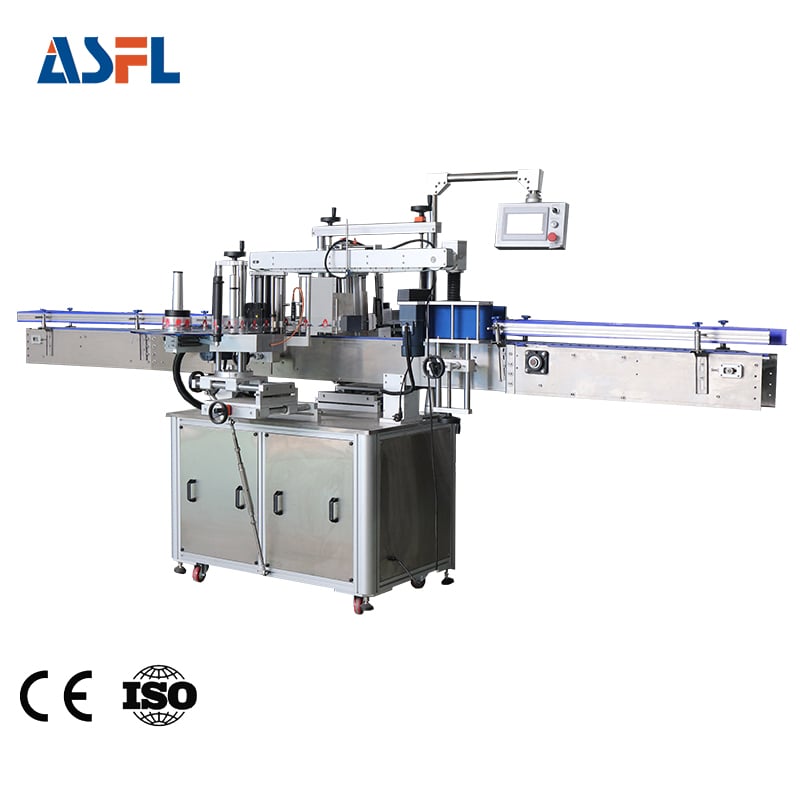
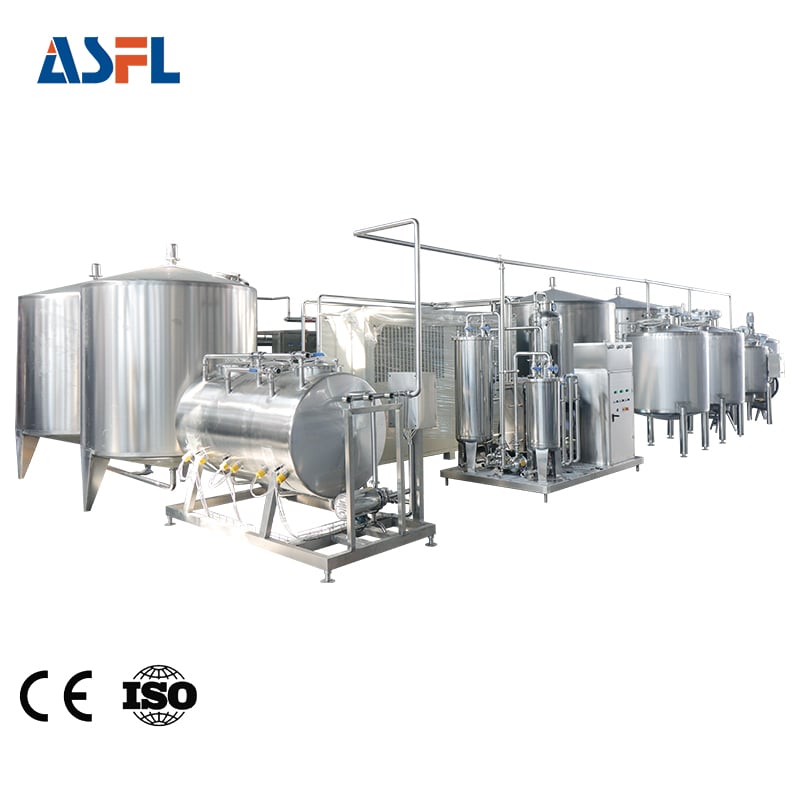
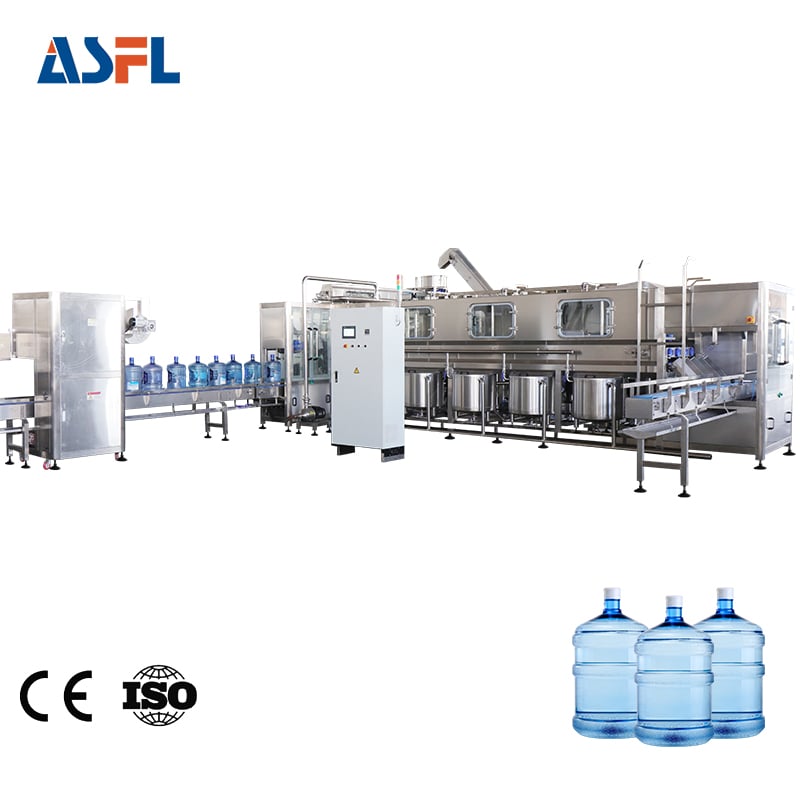
Selecting the correct dosing technology for low-viscosity, non-carbonated fluids is critical for achieving high volumetric accuracy and operational cost efficiency. While the core pillar page at ACE-FILLING covers our comprehensive equipment selection matrix and plant engineering framework, this technical article addresses a precise mechanical question: why gravity liquid filling machines are uniquely suited for non carbonated free flow liquids.
Attempting to package low-viscosity fluids using complex piston pumps or isobarometric pressure valves often introduces unnecessary maintenance costs, liquid splashing, and air entrainment. Modern gravity liquid filling machines utilize natural atmospheric head pressure and pneumatic valve actuation to deliver smooth, high-speed fills for products such as purified water, clear juices, vinegar, spirits, and aqueous chemical reagents.
The primary advantage of gravity filling equipment lies in its mechanical simplicity and relies on fundamental fluid dynamic principles:
Constant Overhead Tank Pressure: Raw material is pumped into an elevated supply reservoir maintained at a constant liquid height using float switches or continuous level transmitters. This ensures identical hydrostatic pressure across all filling spouts.
Timed-Flow vs. Level-Sensing Valves: Fluid flow is controlled by precision pneumatic pinch valves or pneumatic mechanical seals. In timed-gravity filling, the valve remains open for an exact millisecond duration. In level-sensing gravity filling, liquid flows until the fluid reaches the fill-level port on the nozzle, driving displaced air back into the reservoir.
Zero Mechanical Shear: Because free flow liquids move exclusively under earth's gravity without mechanical piston scraping or high-pressure pumps, product aeration and turbulence are completely eliminated.
Deploying gravity liquid filling machines on an automatic liquid packaging line offers clear mechanical advantages over alternative filling methods when processing thin, free-flowing liquids:
| Operating Parameter | Gravity Liquid Filling Machines | Piston Pump Filling | Iso-Barometric Counter Pressure |
| Fluid Viscosity Limit | Low / Free-flowing (< 100 cP) | Medium to High (> 1,000 cP) | Low / Carbonated (< 50 cP) |
| Mechanical Complexity | Very Low (Few moving parts) | High (Seals, cylinders, valves) | Extremely High (Vacuum & gas loops) |
| Liquid Shearing / Foaming | Minimal (Gentle laminar flow) | Moderate to High | Low (Requires pre-evacuation) |
| Clean-In-Place (CIP) Speed | Fast (Straight-through flow) | Slow (Demands teardown or loops) | Moderate (Multi-channel flush) |
| Capital & Maintenance Cost | Highly Cost-Effective | Higher initial & spare parts cost | Maximum capital investment |
To prevent dripping, visual height variance, and fluid waste across high-speed packaging operations, ACE-FILLING integrates critical design enhancements into every gravity liquid filling machine:
Anti-Drip Spring-Loaded Nozzle Tips: Custom nozzle spouts feature internal shut-off needles and surface tension mesh screens that prevent post-fill dripping on bottle necks.
Submerged Diving Spouts: For slightly foamy aqueous liquids (such as window cleaner or soy sauce), servo-actuated diving nozzles enter the container mouth to perform bottom-up filling.
Pneumatic Vacuum Recirculation: Excess foam or liquid vapor generated during high-speed container filling is drawn off into a closed-loop recovery manifold, maintaining clean bottle exteriors.
Because gravity liquid filling machines frequently handle food-grade beverages, condiments, and pharmaceutical washes, sanitary design standards are non-negotiable:
Food-Contact Metallurgy: All liquid contact channels, manifolds, and fill valves are fabricated from AISI 316L stainless steel with electro-polished internal finishes (Ra <= 0.4 um) to prevent bio-film accumulation.
Sanitary Certifications: Equipment designs strictly comply with FDA 21 CFR Part 177 food contact material standards, EHEDG hygienic engineering practices, and BRCGS Packaging Materials guidelines.
Automated CIP Integration: Sanitary manifolds connect directly to plant Clean-In-Place systems, enabling automated 85°C hot water or caustic chemical flushes without manual valve disassembly.
A commercial food condiment producer was using legacy piston fillers to bottle white vinegar and apple cider vinegar. The acidic nature of the product caused rapid degradation of internal piston O-rings, leading to frequent fluid leaks, volume variance, and weekly maintenance shutdowns.
The producer replaced their piston system with an ACE-FILLING 20-head rotary gravity liquid filling machine monoblock constructed from 316L stainless steel with PTFE seal components.
Maintenance Savings: Unplanned line stoppages related to valve seal failures were reduced from 8 hours per week to zero.
Yield Optimization: Volumetric fill variance stabilized within +/- 0.5%, eliminating product giveaway across 12,000 bottles per hour.
Sanitary Compliance: The straight-through sanitary fluid path passed all local food safety audits with zero microbiological contamination warnings.
For non-carbonated, low-viscosity fluids, gravity liquid filling machines provide the optimal balance of filling speed, volumetric consistency, low maintenance cost, and sanitary safety. Eliminating complex mechanical pumps ensures your automatic liquid packaging line delivers high Overall Equipment Effectiveness (OEE) shift after shift.
To review complete plant layout options, conveyor integration, and auxiliary machinery (such as bottle rinsers, capping turrets, and labeling systems), visit our primary
 Hot News
2026-10-20
2026-10-20
2026-10-20
2026-10-20
2026-10-20
2026-10-20
 EN