 EN

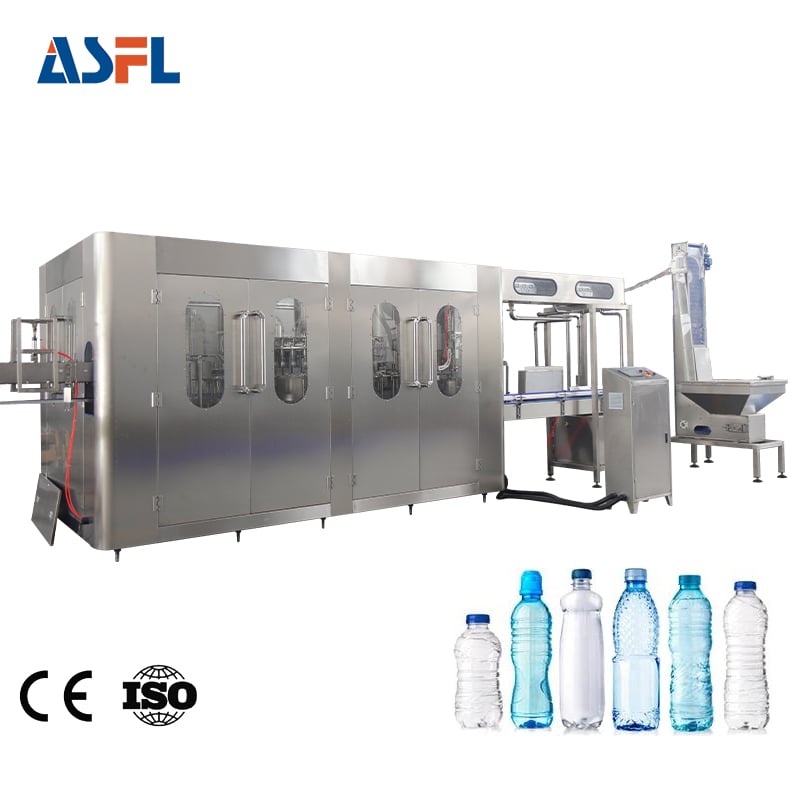
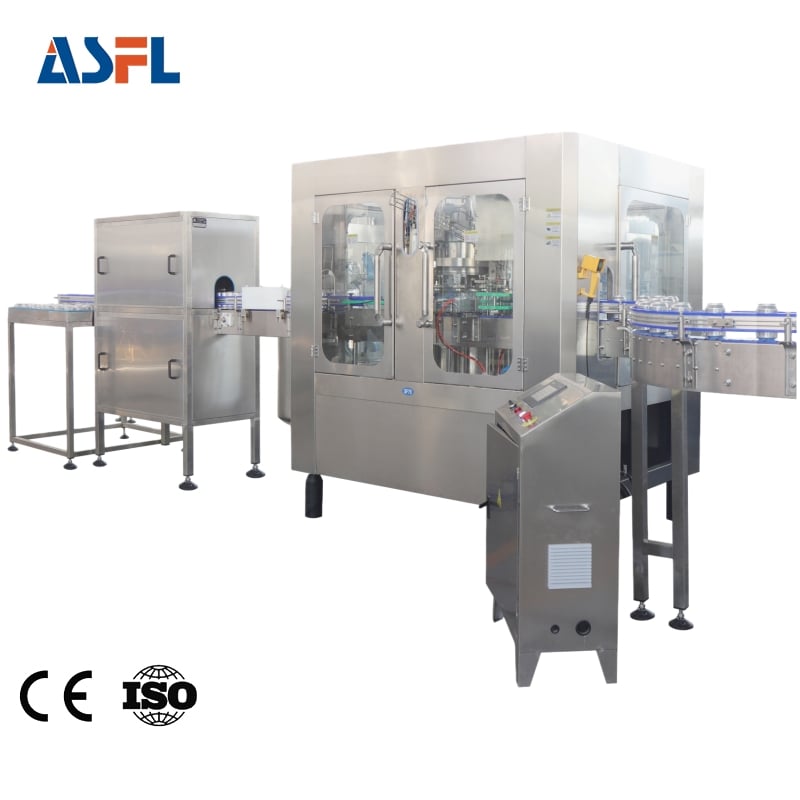
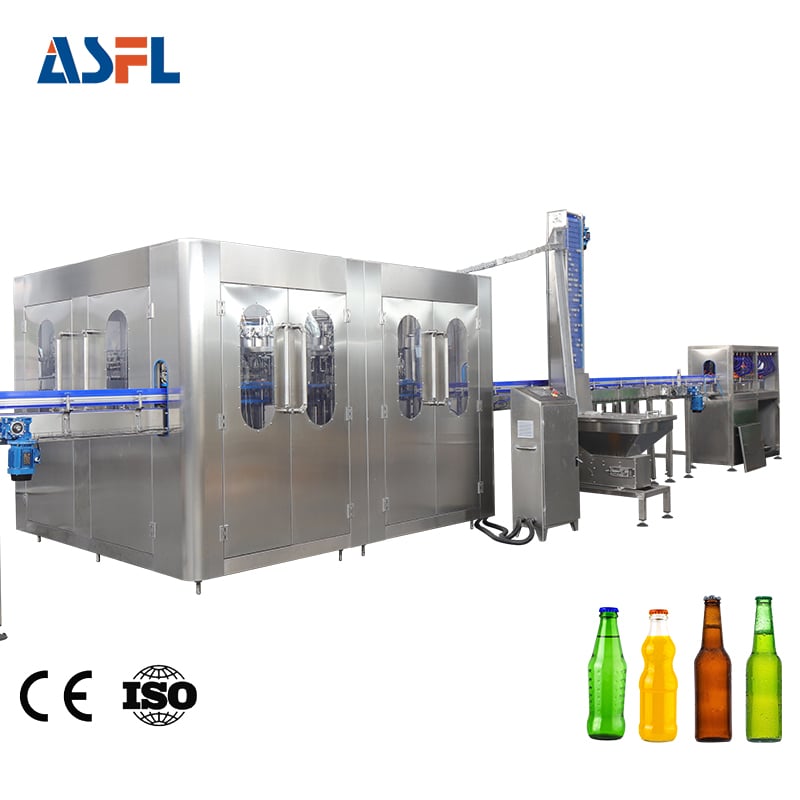
In commercial beverage manufacturing, replacing manual or semi-automated packaging setups with high-speed automated systems is the single most effective capital investment for driving long-term profitability. Upgrading to an automatic water bottle filling machine fundamentally restructures plant throughput by synchronizing container rinsing, high-speed volumetric dispensing, and precise closure application within a single continuous system. When beverage facilities eliminate manual bottle handling and speed bottlenecks, water bottle filling machine line efficiency increases dramatically, raising overall equipment effectiveness (OEE) and protecting profit margins against rising energy and labor overhead.
Deploying an automated water packaging line upgrade allows plant engineers to streamline fluid pathways, reduce mechanical micro-stoppages, and maintain stringent hygienic conditions across multi-shift production runs. Modern high-speed monoblocks utilize central programmable logic controllers (PLCs) coupled with optical sensors to monitor container flow, fluid pressure, and capping torque in real time. This automated feedback loop prevents idle running, eliminates product spillage, and stabilizes output speeds, ensuring high speed bottling line productivity even during peak seasonal demand periods.
To explore customizable monoblock architectures and turnkey packaging solutions tailored for commercial beverage operations, you can examine our core engineering portfolio at ACE-FILLING water bottle filling machine. Implementing purpose-built automation ensures a seamless transition from manual operations to an optimized, high-throughput manufacturing floor.
Technical Factors Elevating Bottling Line Throughput
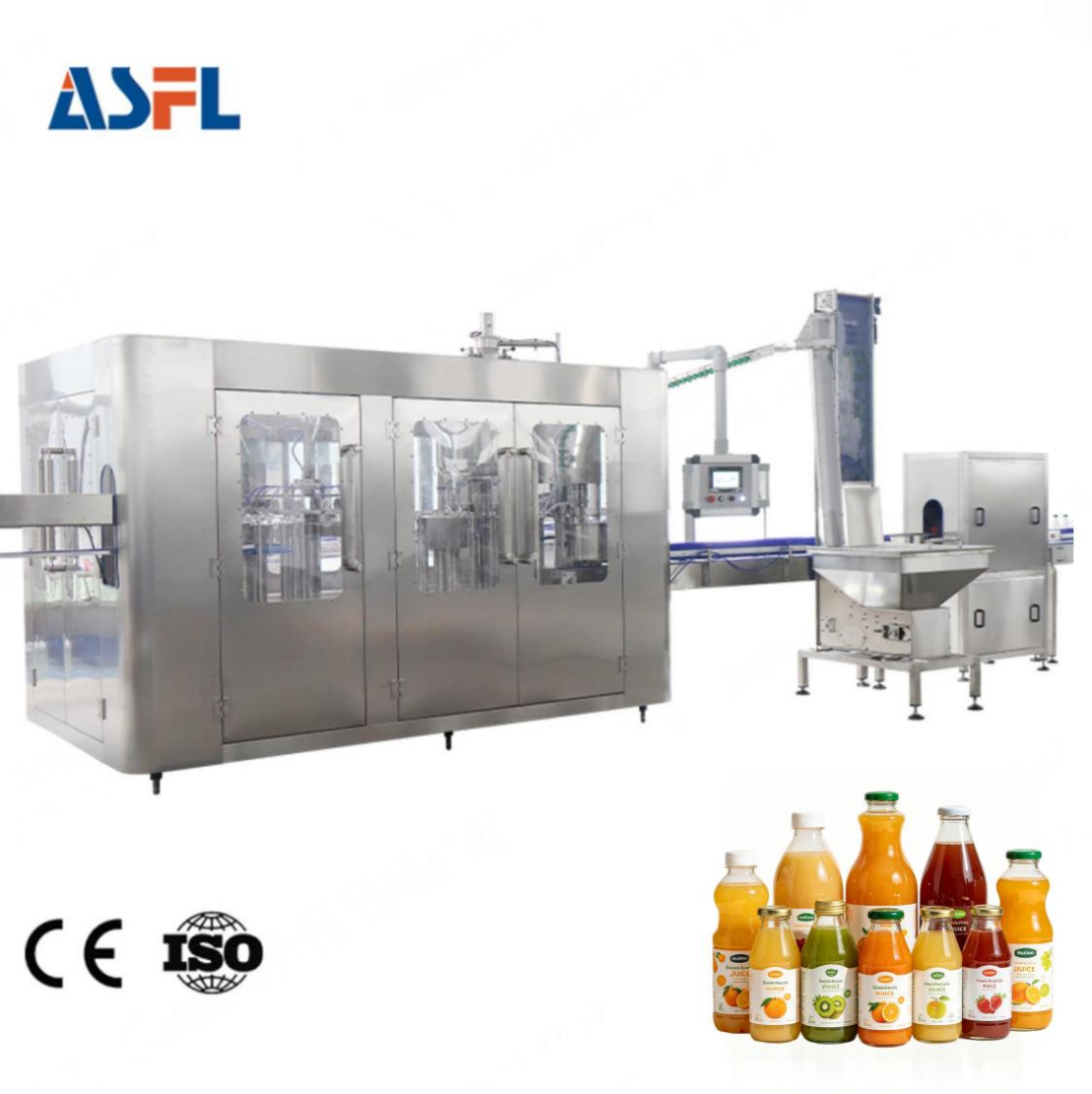
The operational transformation achieved through automation stems from precise mechanical coordination and advanced fluid control mechanisms. Unlike fragmented standalone equipment that requires manual transfers or extensive conveyor buffers, a fully integrated monoblock manages every stage of container handling with absolute synchronization.
Key technical drivers of automated packaging efficiency include:
-
Continuous Neck-Handling Grippers: High-speed starwheels equipped with pneumatic neck clamps transport lightweight PET bottles smoothly, preventing container tipping and structural deformation.
-
Isobaric or Gravity Flow Precision: High-precision liquid valves deliver exact volumetric fills at rapid flow rates, eliminating foaming and fill-level variances.
-
Automated Capping Synchronization: Magnetic torque-limiting capping heads apply uniform sealing force to every bottle, eliminating defective caps and preventing downstream leakage.
-
Centralized PLC Sensor Oversight: Integrated photoelectric sensors detect missing bottles, low cap inventories, or line back-ups, instantly adjusting machine speed to prevent mechanical jams.
Integrating these high-performance components ensures that an automatic water bottle filling machine operates continuously at maximum rated capacity, eliminating the operational variances common in manual lines.
Performance Comparison of Packaging Infrastructure Models
To quantify the operational impact of upgrading to fully automated machinery, plant managers can evaluate performance differences across key operational metrics. The matrix below contrasts legacy semi-automated setups with modern automated monoblock systems.
| Operational Performance Metric | Semi-Automated Bottling Line | Fully Automatic Water Bottle Filling Machine | Direct Impact on Plant Operations |
|---|---|---|---|
| Hourly Throughput Capacity | 1,000 to 2,500 bottles per hour | 6,000 to 24,000 bottles per hour | Expands plant output to meet high-volume commercial retail contracts |
| Volumetric Fill Level Variance | Plus or minus 1.5 to 3.0 percent | Plus or minus 0.2 to 0.5 percent | Eliminates expensive water giveaway and ensures strict weight compliance |
| Direct Line Labor Requirement | 6 to 10 manual operators | 1 to 2 machine supervisors | Significantly reduces labor overhead and training expenses |
| Overall Equipment Effectiveness (OEE) | 55 to 65 percent typical | 85 to 92 percent typical | Maximizes asset utilization and minimizes unscheduled downtime |
This comparative analysis demonstrates how an automated water packaging line upgrade transforms factory economics by maximizing yield and minimizing resource waste.
Real-World Case Study on Bottling Plant Efficiency Gains
A practical demonstration of these efficiency gains involves a regional purified drinking water facility that previously operated two semi-automated linear filling lines. The plant faced chronic production bottlenecks during summer peak periods due to frequent bottle jams on conveyor transfers, inconsistent fill heights requiring manual inspection, and high labor turnover.
Upon upgrading their facility with an automatic water bottle filling machine configured in a compact 3-in-1 monoblock layout, the enterprise modernized its entire manufacturing workflow.
The measurable operational improvements recorded within ninety days included:
-
Total shift production output increased by over one hundred and eighty percent without expanding factory floor space.
-
Overall water bottle filling machine line efficiency rose to ninety-one percent, drastically cutting energy consumption per packaged unit.
-
Product rejection rates due to under-filling or defective capping dropped to near zero.
-
High speed bottling line productivity stabilized across three continuous shifts, allowing the facility to secure major new retail distribution contracts.
Recommended Practices for Maintaining Automated Line Efficiency
Achieving sustained high-speed output requires disciplined preventive maintenance protocols and adherence to standardized operational guidelines. Plant engineering teams must implement routine inspection schedules to ensure the machinery maintains peak performance over its multi-year operational lifespan.
Recommended operational practices include:
-
Performing daily Clean-In-Place (CIP) sanitation routines to keep fluid manifolds and filling valves free from mineral buildup or contamination.
-
Inspecting starwheel pocket guides, neck grippers, and capping chucks regularly for mechanical wear to prevent bottle handling misalignments.
-
Calibrating flow meters and pressure sensors monthly to preserve precise volumetric dosing accuracy across changing ambient temperatures.
-
Maintaining clean industrial power supplies with surge protection to guard sensitive PLCs and servo drives against factory voltage spikes.
By adhering to these structured maintenance practices, beverage facilities operating an automatic water bottle filling machine ensure uninterrupted production, pristine product quality, and maximum return on capital investment.
 Hot News








