 EN

In modern large-scale liquid bottling, dairy processing, and soft drink manufacturing, operational efficiency is directly tied to line speed, filling precision, and minimal downtime. Beverage producers scaling production beyond 10,000 bottles per hour encounter physical bottlenecks when relying on traditional inline indexing machinery. Stopping and starting containers at every filling head creates splashing, mechanical wear, and container destabilization.
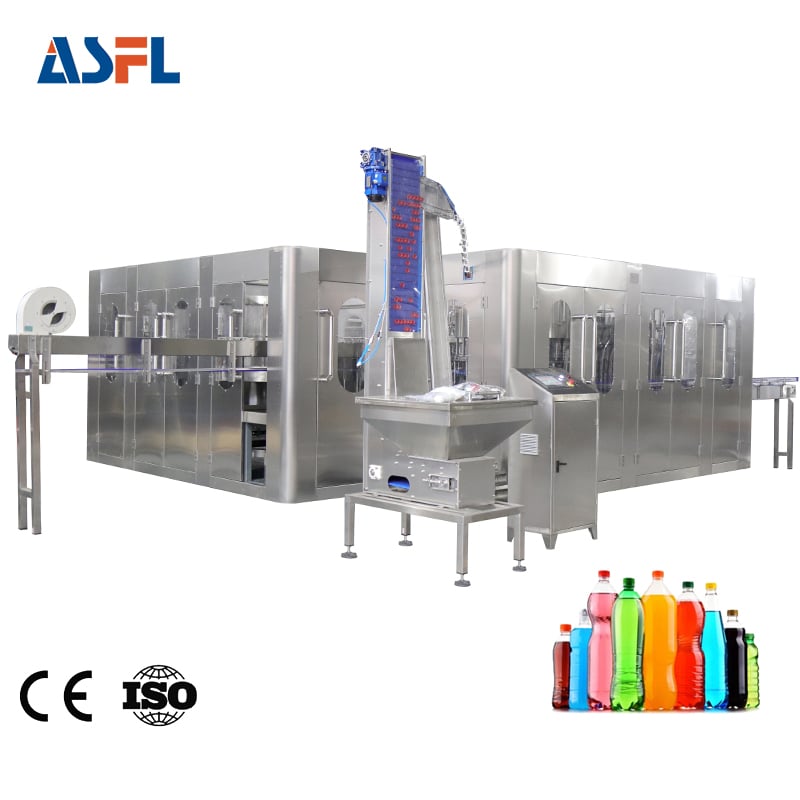
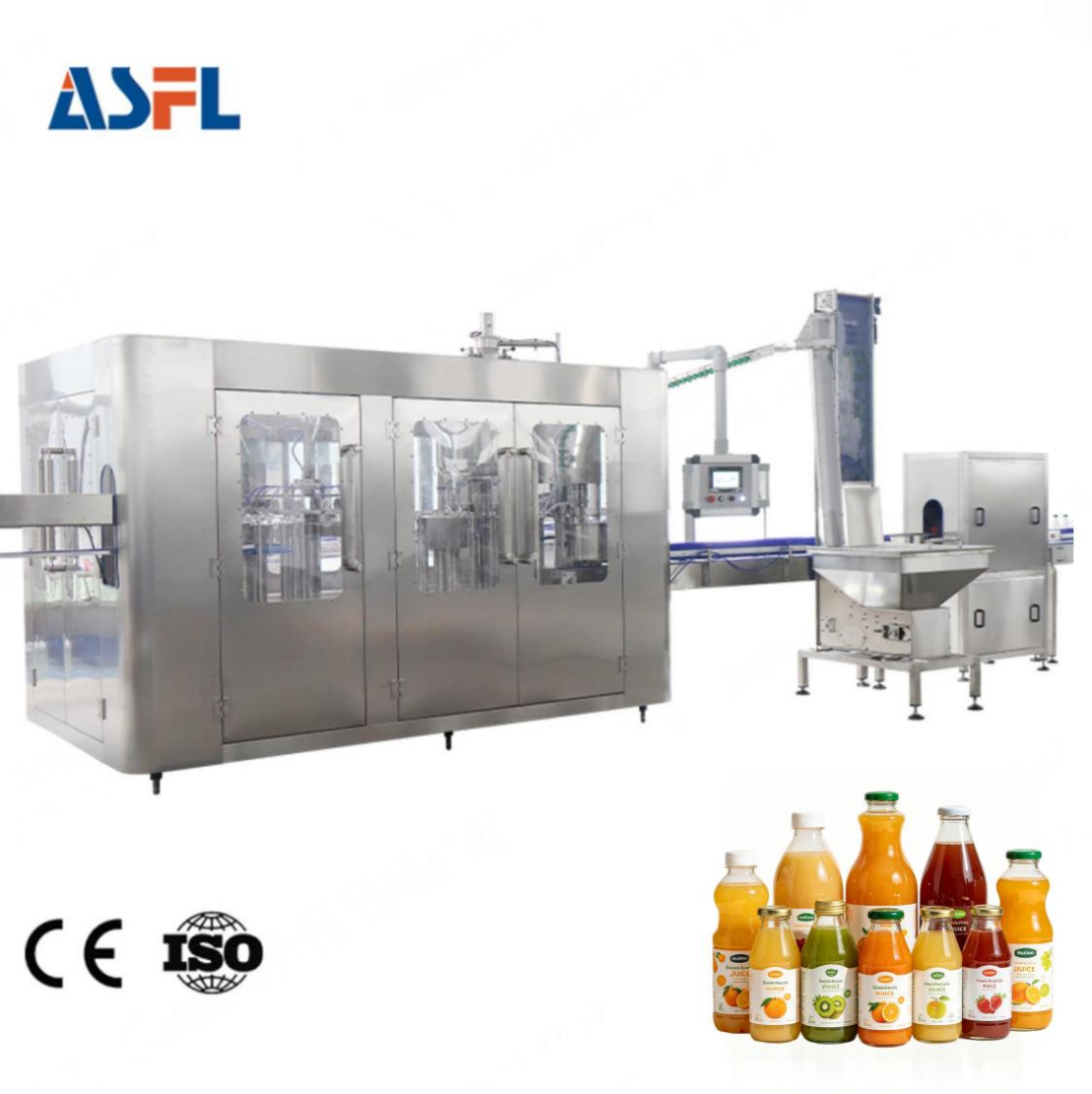
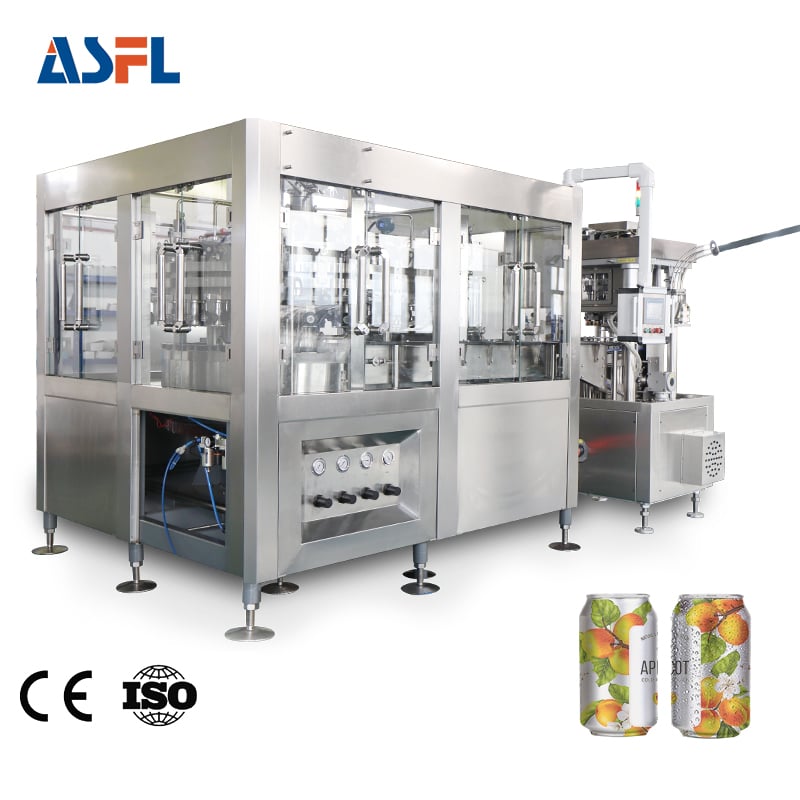
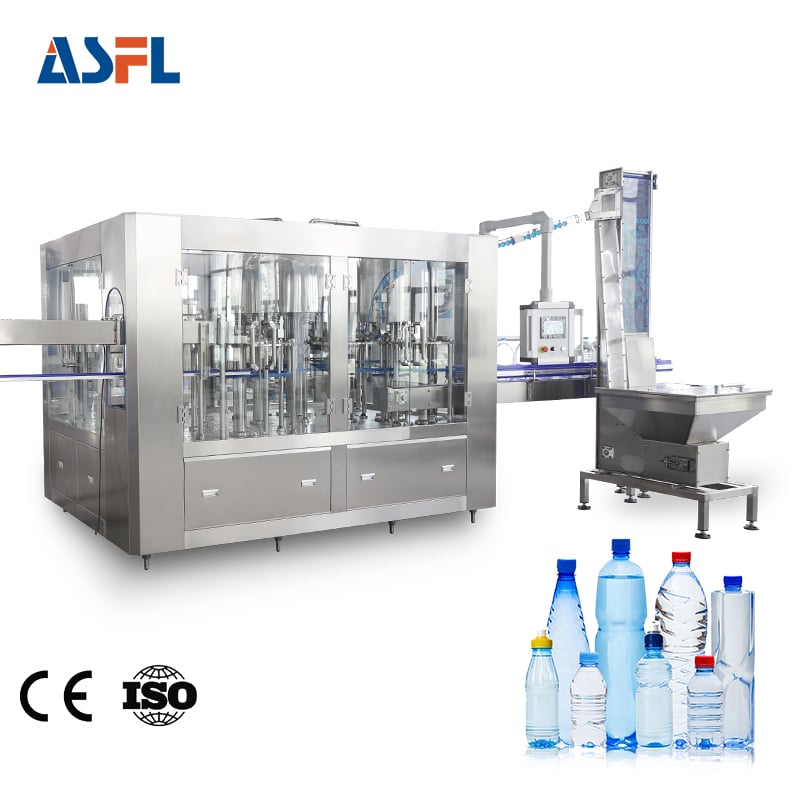
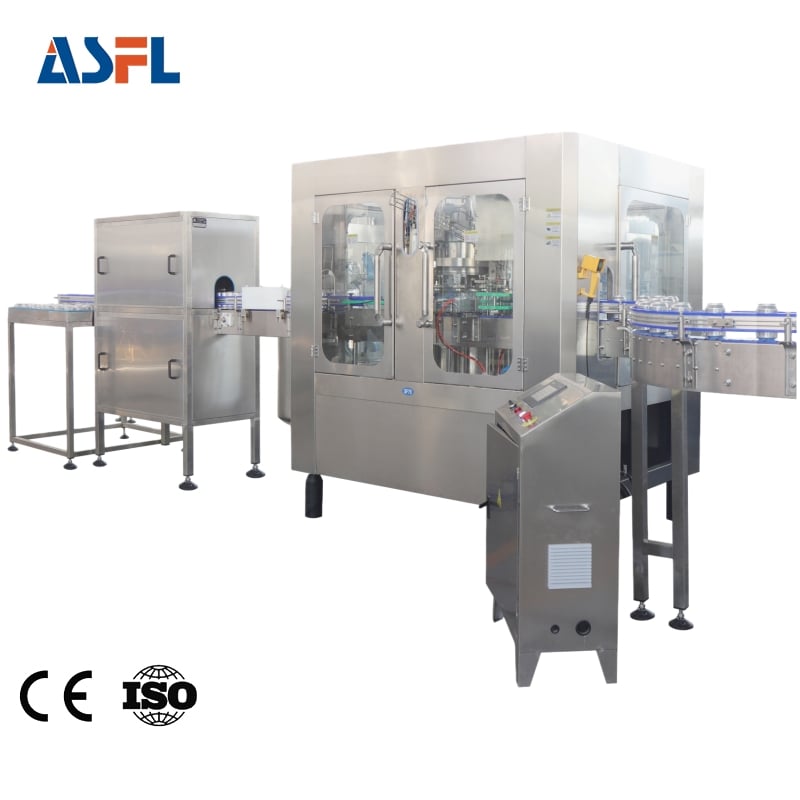
To overcome these mechanical limitations, commercial bottling plants deploy the rotary filling and sealing machine. By utilizing continuous circular motion where containers move smoothly along a starwheel carousel, this equipment accomplishes continuous liquid dosing and cap application without interrupting container motion.
Analyzing the mechanical advantages, sanitary design standards, and operational throughput of a rotary filling and sealing machine explains why high-volume producers rely on this architecture to dominate high speed beverage packaging markets.
Continuous Motion Mechanics vs. Intermittent Inline Systems
The foundational engineering advantage of a rotary filling and sealing machine lies in continuous fluid dynamics and kinetic conservation. In linear or inline filling systems, containers advance in batches, come to a complete stop beneath fixed filling nozzles, receive liquid, and then accelerate out to the capping station.
This intermittent motion introduces severe performance constraints at elevated speeds:
-
Liquid Surge and Splashing: Sudden acceleration and deceleration of filled open containers cause product spillage, leading to volume inconsistency, label contamination, and wasted beverage yield.
-
Mechanical Shock and Container Wear: Constant start-stop indexing places high physical stress on conveyor belts, pneumatic cylinders, and bottle guide rails, increasing maintenance downtime.
-
Continuous Rotary Advantage: Conversely, a rotary filling and sealing machine maintains continuous container momentum along a central turret carousel. Liquid dosing valves lower into moving bottle necks while traveling along the arc, allowing smooth, splash-free liquid transfer at production speeds exceeding 36,000 units per hour.
Precision Dosing Technologies and Filling Valve Innovations
Achieving high throughput is meaningless without strict volumetric accuracy and oxygen pickup control. Modern beverage filling equipment utilizes sophisticated valve configurations tailored to liquid viscosity, carbonation levels, and hygienic standards.
-
Isobaric Counter-Pressure Filling: For carbonated soft drinks, beer, and sparkling beverages, counter-pressure rotary turrets pressurize bottle interiors with inert gas before opening the liquid valve. This maintains dissolved carbon dioxide levels and prevents excess foaming during high-speed filling.
-
Magnetic Flowmeter (EMF) & Mass Flow Dosing: Non-contact electronic flowmeter filling valves meter liquid volume with an accuracy of +/- 0.2%. Because liquid never contacts mechanical springs or dynamic seals within the fluid path, cross-contamination is eliminated.
-
Clean-in-Place (CIP) Automation: Advanced automatic rotary sealing system platforms incorporate automated dummy cups that attach to filling nozzles during cleaning cycles, allowing full high-temperature chemical recirculation without manual disassembly.
Parameter Comparison: Linear vs. Rotary Packaging Architecture
To assist packaging engineers and facility directors in selecting appropriate machinery, the following comparative table highlights key performance metrics between linear inline systems and high-speed rotary solutions.
| Operational & Engineering Metric | Linear Inline Packaging Machine | Rotary Filling and Sealing Machine |
| Maximum Production Capacity | 3,000 - 8,000 units/hour | 12,000 - 48,000+ units/hour |
| Motion Profile | Intermittent (Start-stop indexing) | Continuous circular carousel motion |
| Liquid Splashing Risk | High (Due to rapid braking/acceleration) | Extremely Low (Smooth centrifugal motion) |
| Capping Integrity & Torque Control | Fixed pneumatic pick-and-place | Magnetic servo-driven rotary capping heads |
| Factory Footprint Efficiency | Long linear footprint | Compact, circular modular footprint |
| Ideal Application | Low-to-medium batch runs, specialty crafts | High-volume commercial beverage packaging |
Integrated Rotary Capping and Hermetic Sealing Precision
An essential element of high speed beverage packaging is ensuring an airtight, leak-proof seal immediately following liquid filling. Exposing filled liquid to ambient air increases oxygen pickup, degrading shelf life and flavor stability.
A rotary filling and sealing machine directly couples the liquid filling carousel with a synchronized capping turret via starwheel transfer assemblies:
-
Positive Container Transfer: Bottles transfer from filling valves directly to capping heads in milliseconds without entering open conveyor transit zones.
-
Magnetic Servo Torque Control: Capping turrets employ constant-torque magnetic clutches or individual servo motors to apply screw caps, crown corks, or aluminum roll-on pilfer-proof (ROPP) closures with pinpoint torque repeatability.
-
Aseptic & Hot-Fill Sealing Compliance: For dairy and hot-fill juice lines, capping modules incorporate sterile air flushing and cap decontamination tunnels adhering to strict FDA and ISO hygienic packaging guidelines.
Sanitary Engineering and Compliance Standards
High-speed commercial beverage operations must strictly adhere to international hygiene standards, such as 3-A Sanitary Standards, EHEDG guidelines, and BRC Global Standards.
To maintain sterility across extended production runs, a rotary filling and sealing machine incorporates specialized structural features:
-
Slanted Base Enclosures & Stainless Steel Frame: Machinery bases are pitched at an angle using AISI 304/316L stainless steel to ensure washdown liquid drains completely without pooling.
-
HEPA Air Filtration Over-Pressure: Cleanroom enclosures equipped with HEPA laminar flow filtration units maintain positive air pressure over filling and capping carousels, preventing airborne dust or microbial contamination from entering open containers.
-
No-Bottle, No-Fill / No-Cap Automation: Integrated sensor arrays disable liquid discharge and cap dispensing instantly if a bottle position on the starwheel is empty, keeping the carousel clean and preventing product loss.
Sourcing High-Performance Machinery from Industry Leaders
When investing in capital equipment for beverage filling equipment, beverage manufacturers require trusted machinery partners with proven global engineering expertise. Premier machinery developers like
By conducting factory acceptance testing (FAT) with client-specific container geometry and liquid viscosities, procurement managers can verify valve flow rates, torque precision, and automatic rotary sealing system reliability before installation on the production floor.
Conclusion and Strategic Investment Summary
Choosing a rotary filling and sealing machine represents a transformative upgrade for beverage manufacturers aiming to achieve maximum throughput, zero product waste, and flawless package integrity. By replacing intermittent line motion with continuous rotary execution, facilities unlock unmatched operational speeds while maintaining the highest hygienic and quality standards in modern high speed beverage packaging.
 Hot News








