EN

How to Evaluate the Material Compatibility of a Liquid Filling Machine for Vegetable Oil
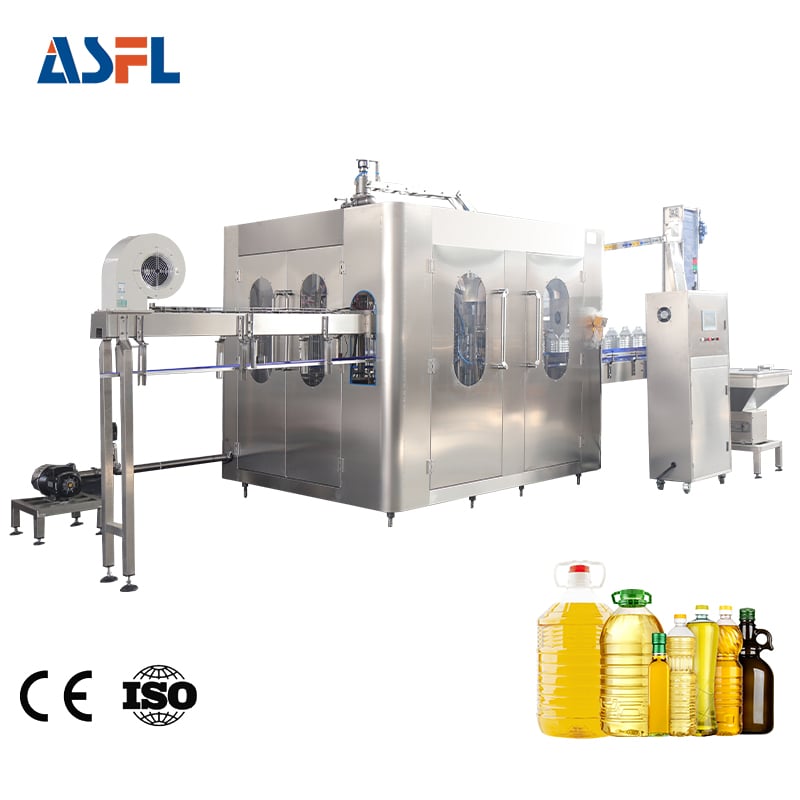
When you buy a vegetable oil filling machine, material compatibility deserves the same scrutiny as output, filling accuracy, and changeover time. Vegetable oil may look straightforward, but the product path combines a fatty liquid, oxygen exposure, cleaning chemistry, temperature variation, and seals that can age differently. A good review protects product quality and makes maintenance planning more predictable.
This guide uses a practical procurement approach: map every wetted component, define the real operating conditions, ask for evidence, and validate the configuration before release. It also helps teams compare a standalone filler with a liquid filling and capping machine without assuming that one material choice works for every oil or every cleaning routine.
Start with the product profile, not a material name
The first question for a vegetable oil filling machine is not simply “is it stainless steel?” Specify the oil grade, refining state, expected temperature, viscosity range, additives, package format, batch size, and allowable hold time. Refined sunflower oil, olive oil, blended cooking oil, and products carrying flavor components can place different demands on elastomers and polymer parts.
Also document what happens around the product: ambient heat, warm filling, recirculation, idle periods, and cleaning. Food-contact assessment is condition-specific. A material can be suitable for brief contact with a cool product but require a different evaluation where heat, long residence time, or concentrated detergents are involved. This operating brief gives a vegetable oil filling machine supplier a usable design basis instead of a vague request for “food grade” parts.
Build a wetted-parts map for the vegetable oil filling machine
Ask for a line-item list of all product-contact and splash-zone components. For a vegetable oil filling machine, the map should include the tank, piping, manifolds, pump chamber, filling nozzles, valves, meter bodies, hoses, gaskets, O-rings, sight glasses, filter housings, and any coating or adhesive that can contact the product. Include replacement parts, not only the major assemblies shown in a quotation.
| Component group | What to confirm | Why it matters |
|---|---|---|
| Metal surfaces | Grade, finish, weld treatment, and passivation documentation | Helps assess cleanability and corrosion resistance in the intended process. |
| Elastomers | Seal compound, hardness, temperature range, and cleaning-chemical compatibility | Seals can swell, harden, crack, or shed particles if misapplied. |
| Polymers and hoses | Resin identification, food-contact suitability, and pressure/temperature limits | Supports control of extractables, deformation, and service life. |
| Coatings and lubricants | Location, chemistry, and conditions of use | Hidden materials may matter at interfaces and during maintenance. |
A vegetable oil filling machine review should distinguish direct product contact from external frame materials. The distinction prevents over-specifying non-wetted hardware while ensuring that every wetted part is traceable.

Evaluate metals beyond the label
Stainless steel is commonly selected for edible-oil equipment, but the procurement team should request the actual grade for each wetted assembly rather than relying on a general statement. Confirm surface finish, weld quality, drainage, dead-leg control, and how dissimilar metals are isolated. These details influence whether a vegetable oil filling machine can be cleaned consistently and inspected effectively.
In practice, the cleaning program can be as relevant as the oil. Alkali cleaners, acids, sanitizers, water quality, and contact time may affect weld areas, valve seats, and fittings. Ask the supplier to state the maximum recommended concentration, temperature, and exposure time for its proposed construction. If the plant uses a separate CIP process, evaluate it as a complete system instead of approving the filler materials in isolation.
Give seals, hoses, and plastics their own qualification
For a vegetable oil filling machine, seals are often the first components to reveal a mismatch. Vegetable oils can interact differently with rubber and plastic compounds over time, particularly where heat and frequent cleaning occur. Do not accept “rubber seal” as a specification. Request the compound family, the seal location, food-contact declaration where applicable, service-temperature range, and replacement recommendation.
Apply the same discipline to flexible hoses, transparent guards that could contact product, valve diaphragms, and filling-tip inserts. A transparent polymer may help visual inspection but still need confirmation for the actual oil, temperature, pressure, and detergent. This matters even more on a liquid filling and capping machine, where cap-handling zones and nozzle movements can introduce additional interfaces.
Ask for evidence that matches your conditions
The most useful supplier package for a vegetable oil filling machine connects each proposed material with documented conditions of use. Ask for a wetted-parts bill of materials, food-contact declarations relevant to the destination market, material certificates where available, seal data sheets, cleaning compatibility guidance, and a revision-controlled drawing. For coatings or polymeric contact surfaces, ask which applicable food-contact requirements and use conditions were considered.
Documentation is not a substitute for validation. Before acceptance, run a representative trial with the actual oil or a justified equivalent. Inspect for leaks, odor transfer, color change, particle generation, unusual torque, and cleaning effectiveness. A short, documented trial can reveal issues that a generic material list cannot.
Use a validation plan before placing the order
- Define the oil portfolio and worst-case temperature, dwell time, and cleaning cycle.
- Obtain the complete wetted-parts map for the proposed vegetable oil filling machine.
- Review metals, polymers, elastomers, coatings, and lubricants against those conditions.
- Agree on documentation, spare-seal identification, and change-control responsibilities.
- Conduct a trial and record product quality, leakage, and sanitation observations.
During factory acceptance, verify that the delivered vegetable oil filling machine matches the approved bill of materials. Record serial numbers and seal part codes so future maintenance does not introduce an unreviewed substitute. If several oil formulas are planned, create a compatibility matrix rather than treating the first successful trial as blanket approval.
Turn compatibility into a lifecycle decision
A well-specified vegetable oil filling machine supports more than initial food-contact confidence. It improves spare-parts control, reduces troubleshooting after CIP changes, and gives quality teams a clearer basis for approving new oils or markets. The right decision is rarely the most exotic material; it is the documented combination that fits the oil, process, cleaning regime, and maintenance capability.
Before signing off, ask one final question: can the supplier explain every material that touches the product and provide a practical plan for replacement and verification? If the answer is yes, the vegetable oil filling machine is much more likely to remain reliable as your product mix and operating conditions evolve.

 Hot News