 EN

Why Inline Bottle Filling Machine Brings Easier Expansion for Growing Beverage Factories
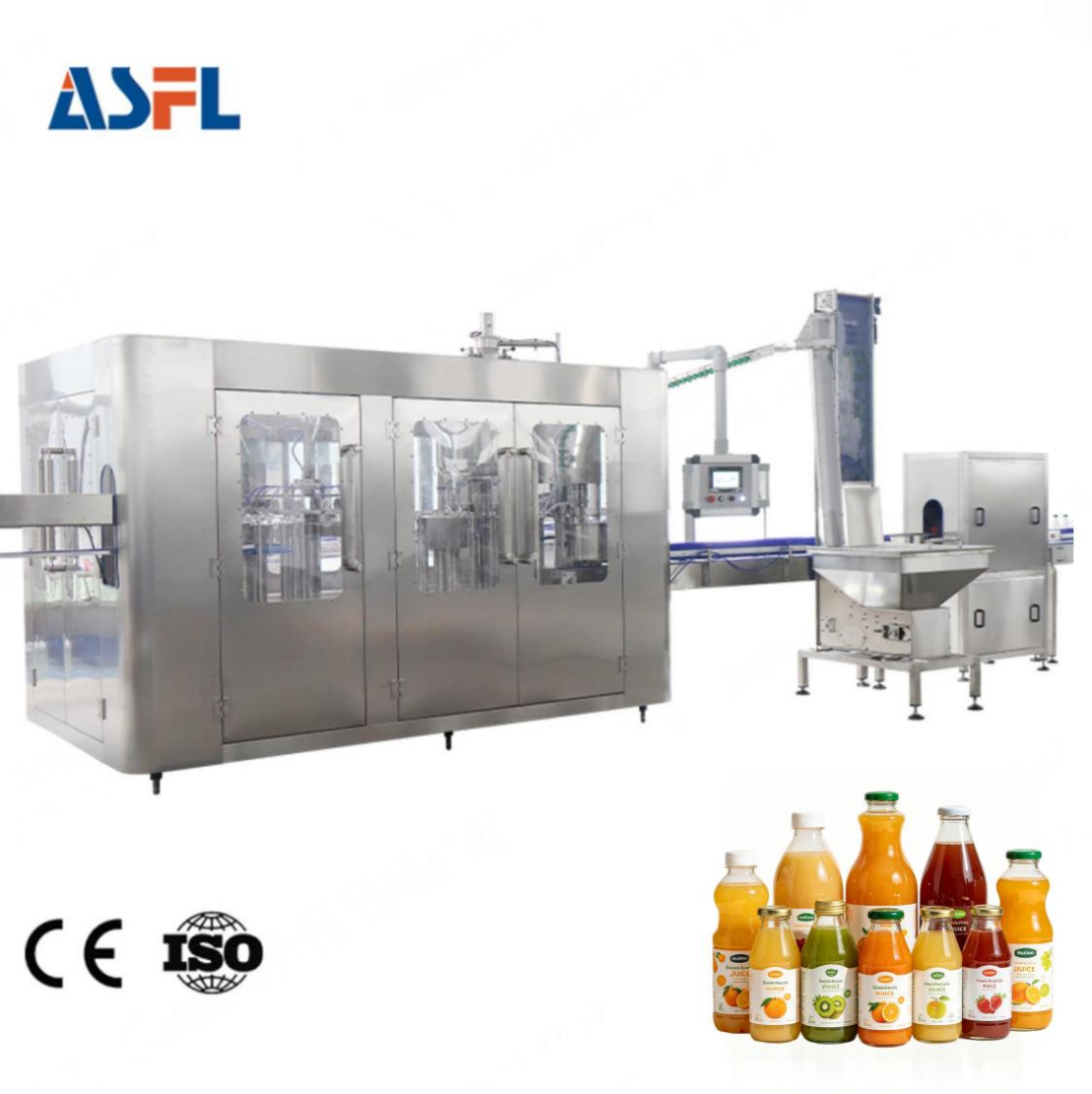
A growing beverage factory rarely needs “more speed” in isolation. It needs a line that can add capacity without turning every new SKU, sanitation window, or downstream stoppage into a larger problem. That is why an inline bottle filling machine can be a practical expansion platform: bottles move through a straight, accessible process path, while filling capacity and supporting equipment can be planned around the factory’s real constraints.
From a production-line engineering perspective, a sound decision starts with today’s losses, not a headline bottles-per-hour number. An inline bottle filling machine gives teams a clear place to evaluate bottle handling, fill control, capping, labeling, accumulation, and operator access as one connected system.
Expansion is easier when the line has a visible flow
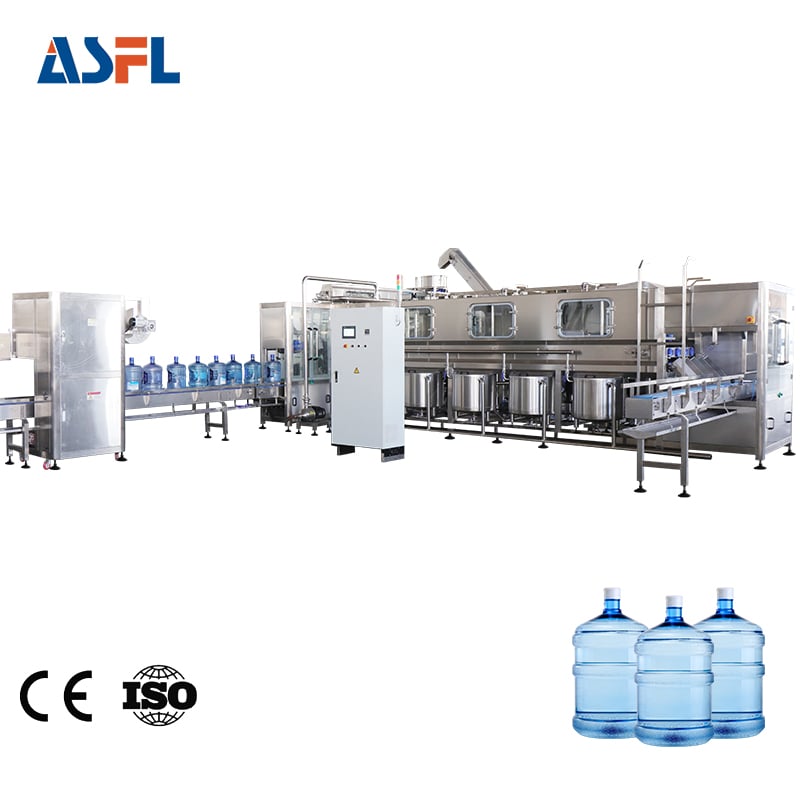
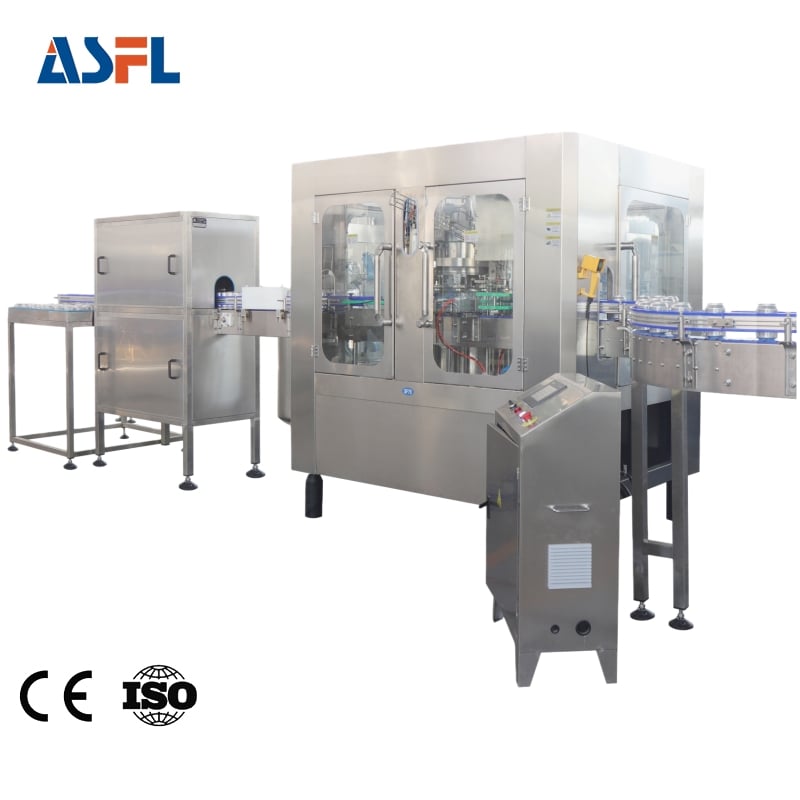
In an inline layout, containers typically travel in one direction through infeed, filling, closing, inspection, and discharge. This makes it easier to see where product queues form and where a short stop begins. For a factory adding a second shift, more bottle formats, or a new beverage variant, that visibility matters. A line can be staged so that conveyors, cap handling, labelers, and pack-out equipment grow with the filler rather than being replaced all at once.
An inline bottle filling machine also supports a phased approach. A factory can define the current required output, protect space and controls for a future module, and validate the balance of upstream and downstream stations before committing to a larger layout. This does not mean every system is automatically expandable; it means the expansion questions are concrete and can be answered during engineering.
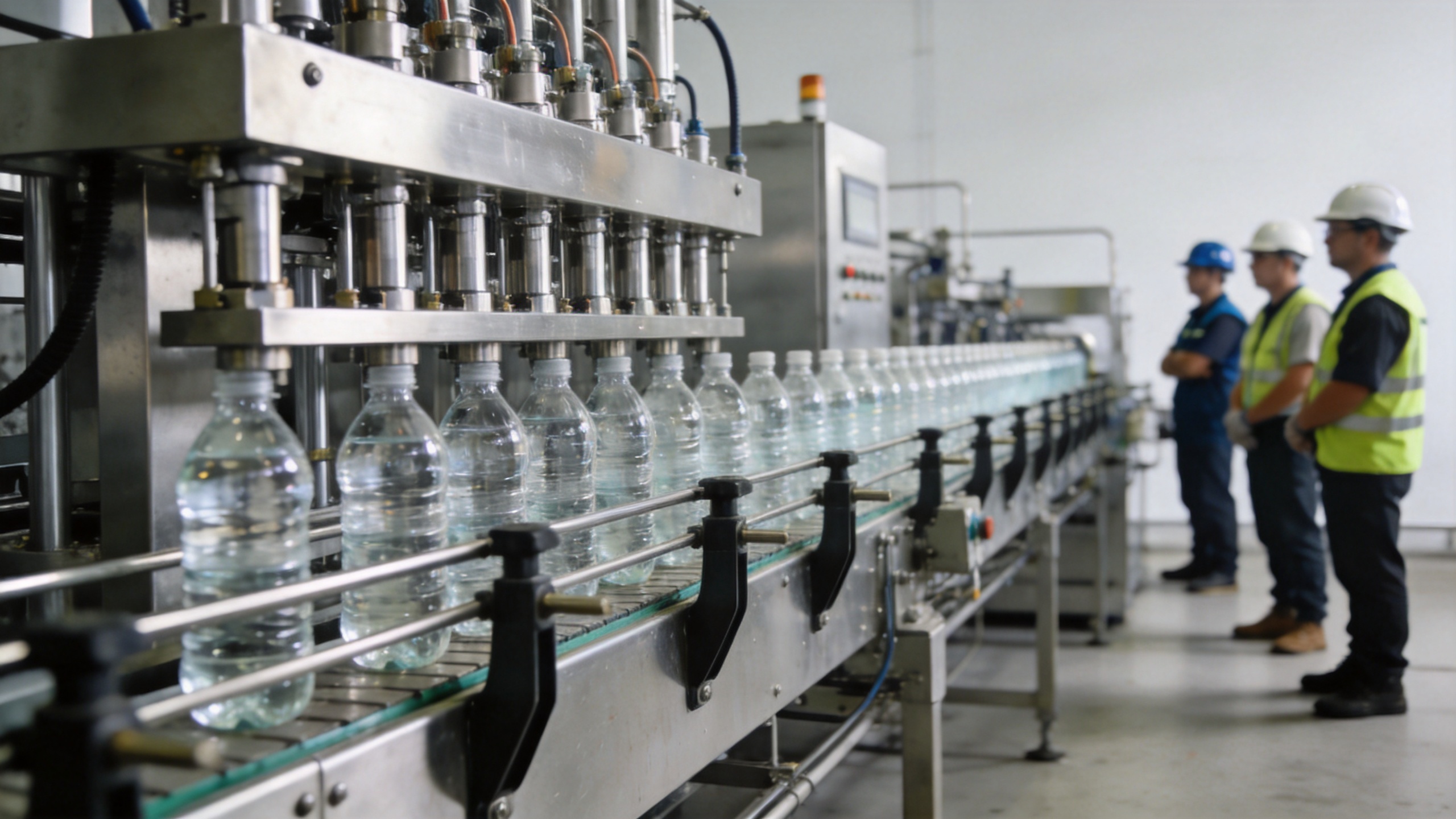
Start with the bottleneck, not the filler nameplate
Before selecting an inline bottle filling machine, collect production data over representative runs. Record actual good bottles produced, planned and unplanned stops, changeover duration, rejected containers, cap-related interruptions, and time spent waiting for downstream equipment. Overall equipment effectiveness (OEE) monitoring is especially useful because it makes availability losses such as changeovers visible rather than hiding them inside an average output figure.
- Check upstream supply: Can rinsing, bottle unscrambling, or product delivery keep the filler supplied during normal production?
- Check downstream release: Can capping, labeling, coding, packing, and accumulation accept filled bottles at the intended rate?
- Check product behavior: Foaming, viscosity, particulates, carbonation, temperature, and fill-level control can all change the practical speed window.
- Check the human task: Access for cleaning, format changes, verification, and fault recovery often determines whether higher capacity is usable.
The useful capacity target is therefore the line’s sustained, quality-approved output—not the fastest momentary speed of a single machine.
Use modular decisions to reduce the cost of the next expansion
A well-scoped inline bottle filling machine project separates “needed now” from “prepared for later.” During specification, ask which bottle diameters, heights, cap styles, and fill volumes must run today, then identify which future formats are likely. This helps engineers decide where guide adjustments, starwheel alternatives, recipe management, conveyor width, electrical capacity, and floor space should be reserved.
For example, a beverage factory may initially run one bottle family on an auto bottle filling machine and later add a promotional size. If the changeover method, reject path, and labeler interface are considered early, the later addition is a planned engineering task rather than a disruptive retrofit. The same principle applies to accumulation: a modest buffer after filling can isolate brief downstream interruptions, but its value depends on the actual stop pattern and available footprint.
Keep hygiene and quality controls inside the expansion plan
More throughput should not weaken process control. U.S. current good manufacturing practice rules state that filling, assembling, packaging, and related operations must protect food against allergen cross-contact, contamination, and growth of undesirable microorganisms. FDA guidance also notes that bottled-water producers must follow CGMP requirements specific to processing and bottling drinking water. Requirements differ by product and market, so the point is not to assume compliance from equipment alone; it is to design cleaning access, sanitation procedures, verification points, and documentation into the expanded process.
When reviewing an inline bottle filling machine, involve quality and sanitation teams early. They can identify practical needs around product-contact surfaces, cleaning procedures, container handling, fill verification, cap application checks, and segregation of nonconforming product. These details protect both the beverage and the expansion schedule.
Plan the layout around changeovers and service access
A compact drawing can look efficient while creating a difficult operating line. Leave room for operators to load consumables, inspect bottles, clear a controlled jam, and complete maintenance safely. Map where bottles accumulate during a stop and where they can be removed without compromising traceability. Confirm that utilities, drainage, product piping, electrical panels, and guarding can be reached without dismantling unrelated equipment.
This is another advantage of treating an inline bottle filling machine as part of a line architecture rather than a stand-alone purchase. A straight-through arrangement can make service zones and future conveyor extensions easier to discuss with engineering, production, and quality teams at the same time.
A practical commissioning checklist
- Run the planned bottle and product range at normal production conditions, not only a short demonstration cycle.
- Measure sustained good output, fill consistency, cap performance, rejects, and line stops by station.
- Test a representative changeover and document tools, adjustments, recipe steps, and elapsed time.
- Verify cleaning and inspection access with the sanitation and quality teams.
- Review the next likely expansion: added format, added shift, or higher demand, and identify the first downstream constraint.
Choose a growth path that the factory can operate
An inline bottle filling machine brings easier expansion when its capacity, controls, layout, and support equipment are matched to the factory’s operating reality. The strongest project is not the one with the largest quoted rate. It is the one that maintains product control, gives operators workable access, and leaves a deliberate path for the next change.
For growing beverage factories, that approach converts expansion from a high-disruption replacement decision into a sequence of measurable improvements: stabilize the current line, remove the verified bottleneck, protect room for the next module, and confirm results with real production data.

 Hot News








