 EN

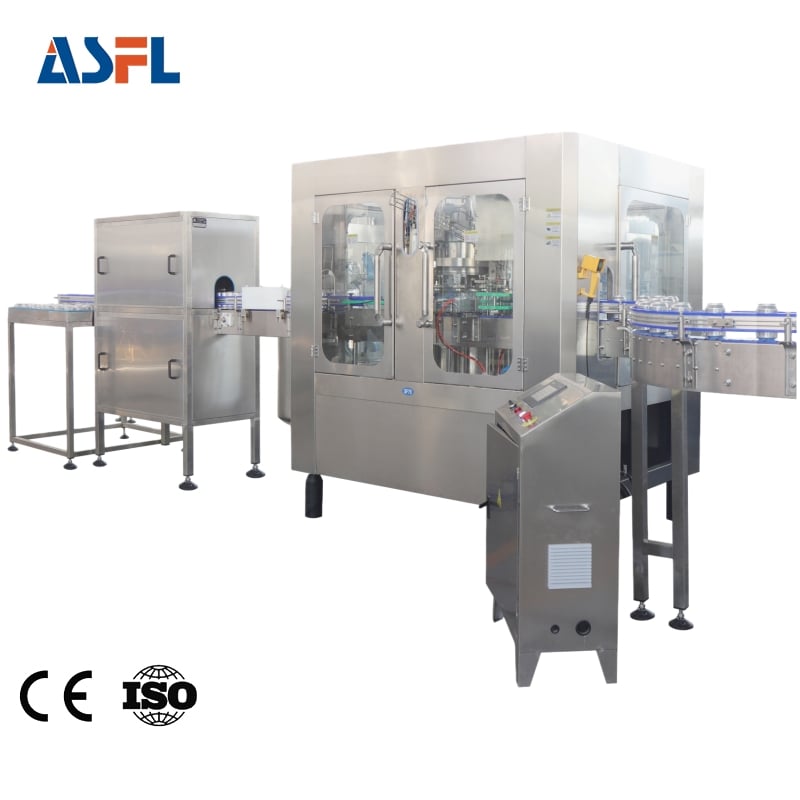
In modern beverage production plants, operational efficiency and product sterility dictate profitability and market standing. Traditional setup models—where container fabrication and liquid packaging operated as isolated islands connected by manual handling or complex conveyors—frequently introduced contamination risks and production bottlenecks. Today, advanced industrial engineering bridges this gap by synchronizing a high-performance plastic water bottle manufacturing machine directly with advanced in line filling equipment.
Engineered by industry leaders like ACE-FILLING, a modern blow molding and filling line transforms raw polyethylene terephthalate (PET) preforms into sealed, market-ready bottles in a continuous, automated flow. This technical guide explores the exact synchronization mechanics, pneumatic transfer systems, and precision fluid-dispensing protocols that enable a unified beverage packaging system to achieve maximum throughput while upholding strict international food safety standards such as FDA and ISO benchmarks.
Phase 1: Preform Feeding and Stretch Blow Molding Mechanics
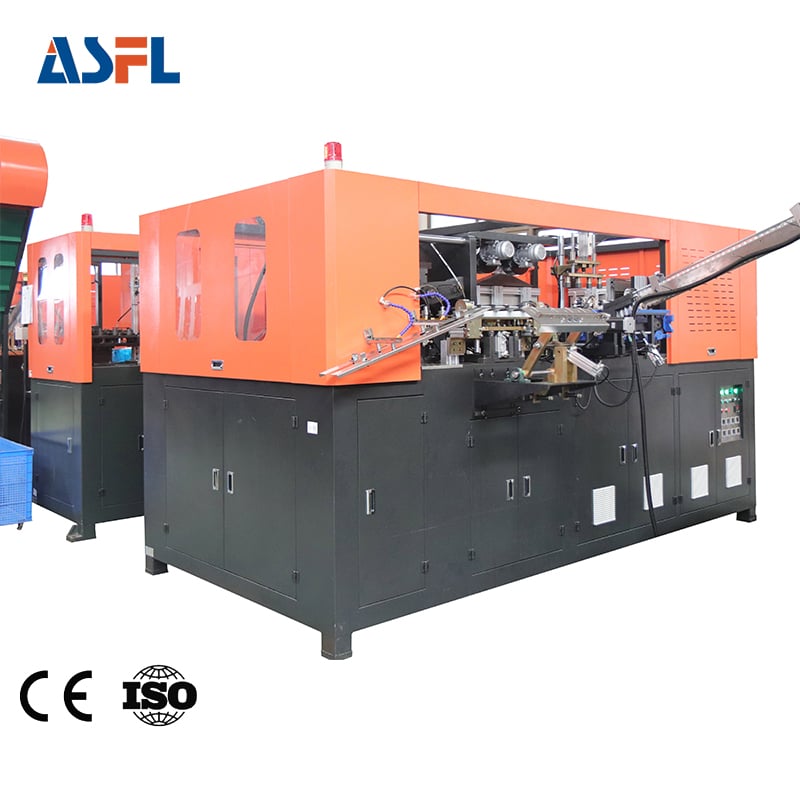
The operational lifecycle within any high-efficiency blow molding and filling line begins with the transformation of raw polymer preforms into customized container vessels via a dedicated plastic water bottle manufacturing machine.
-
Preform Orientation and Heating: Injection-molded preforms are fed into a centrifugal sorter and aligned before passing through a precision infrared radiant heating tunnel. The heating profile is strictly calibrated to soften the PET material to its optimal stretch temperature (typically between 90C and 110C).
-
High-Pressure Stretch Blow Molding: Once heated, the preforms are transferred into high-strength mold cavities. A mechanical stretch rod elongates the preform vertically while high-pressure blowing air (reaching up to 40 bar) expands the polymer against the mold walls. This dual-action stretching establishes the final structural geometry, wall thickness uniformity, and high clarity required for premium consumer water bottles.
Phase 2: Air Conveyance and Synchronized Transfer Mechanics
Once formed, newly molded bottles exit the mold cavity instantly. In a standalone setup, these containers are discharged onto bulk cooling tables. However, in an integrated beverage packaging system, maintaining a sterile, unbroken chain requires sophisticated air conveyor networks.
-
Neck-Guided Air Conveyors: Because finished bottles are lightweight and vulnerable to structural distortion, overhead air conveyors utilize precision neck-guidance rails. High-velocity, HEPA-filtered air currents propel the containers smoothly from the exit starwheel of the plastic water bottle manufacturing machine directly toward the buffer zones of the in line filling equipment.
-
Speed Synchronization and Accumulation: Production speed mismatches between bottle blowers and liquid fillers can cause catastrophic line jams. Advanced programmable logic controllers (PLCs) monitor line pressure and buffer accumulation tables in real time, dynamically adjusting motor speeds across the entire blow molding and filling line to maintain a seamless operational rhythm.
Phase 3: Integration with In Line Filling Equipment
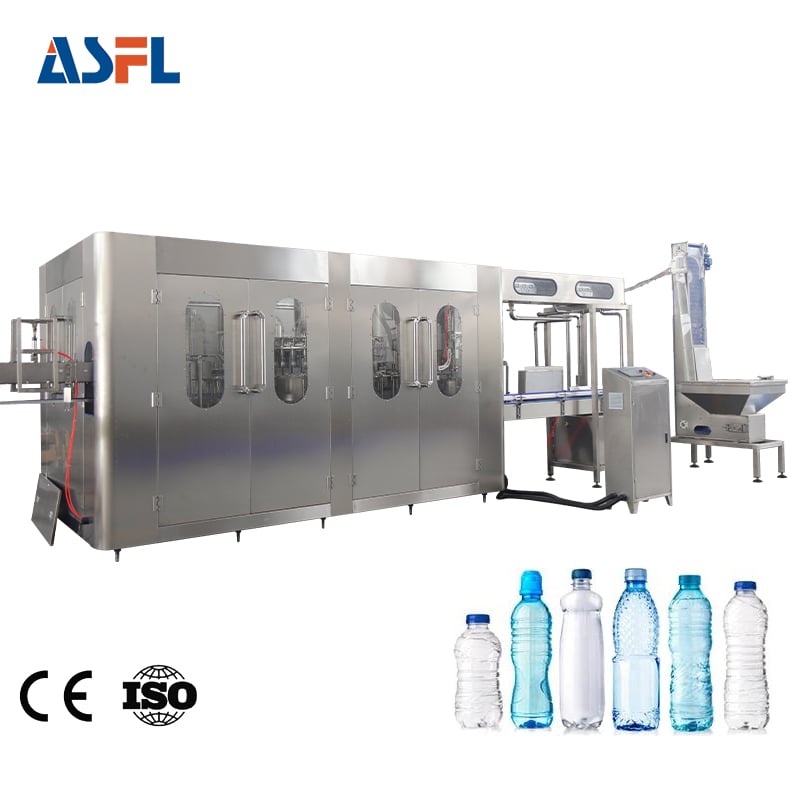
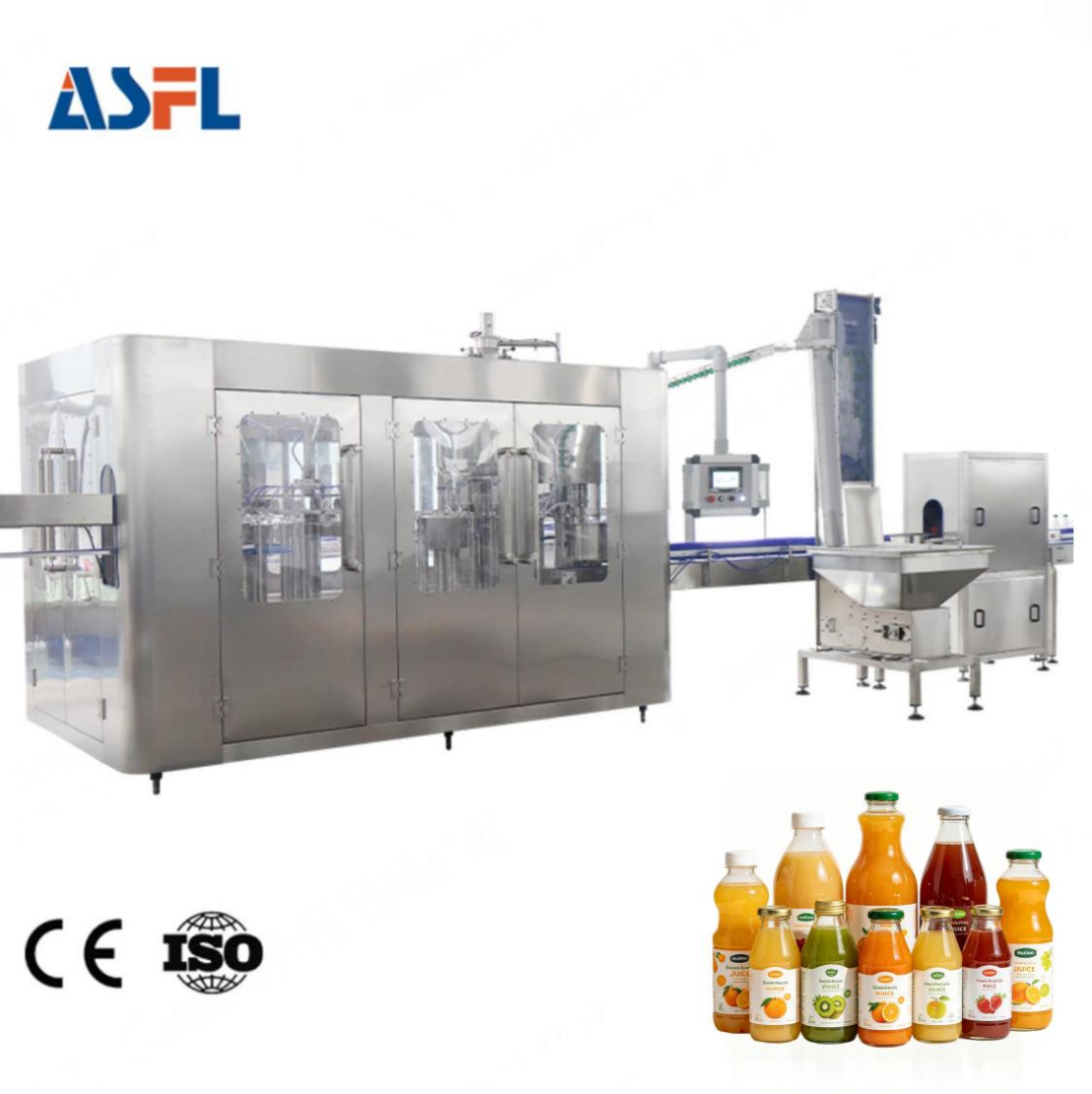
The core technical achievement of a synchronized plant layout lies in the direct handoff between container fabrication and liquid delivery. When bottles arrive at the wet zone, the in line filling equipment takes over precise fluid management.
-
Rinsing and Sanitizing Pre-Treatment: Even though bottles are freshly blown at high internal temperatures, high-speed lines incorporate short rinse or sterile air-purge sequences inside the filler turret to eliminate any environmental particulate matter introduced during air conveyance.
-
Volumetric and Gravimetric Filling Control: Modern in line filling equipment utilizes electronic flowmeters or gravity-pressure valves. As each bottle indexes into position, a pneumatic neck-clamping mechanism raises the container against the filling nozzle. The liquid is metered accurately into the bottle, eliminating foaming and ensuring exact fill levels within a tolerance of plus or minus 0.5 milliliters, which is essential for a professional beverage packaging system.
Phase 4: Capping, Sealing, and Quality Verification
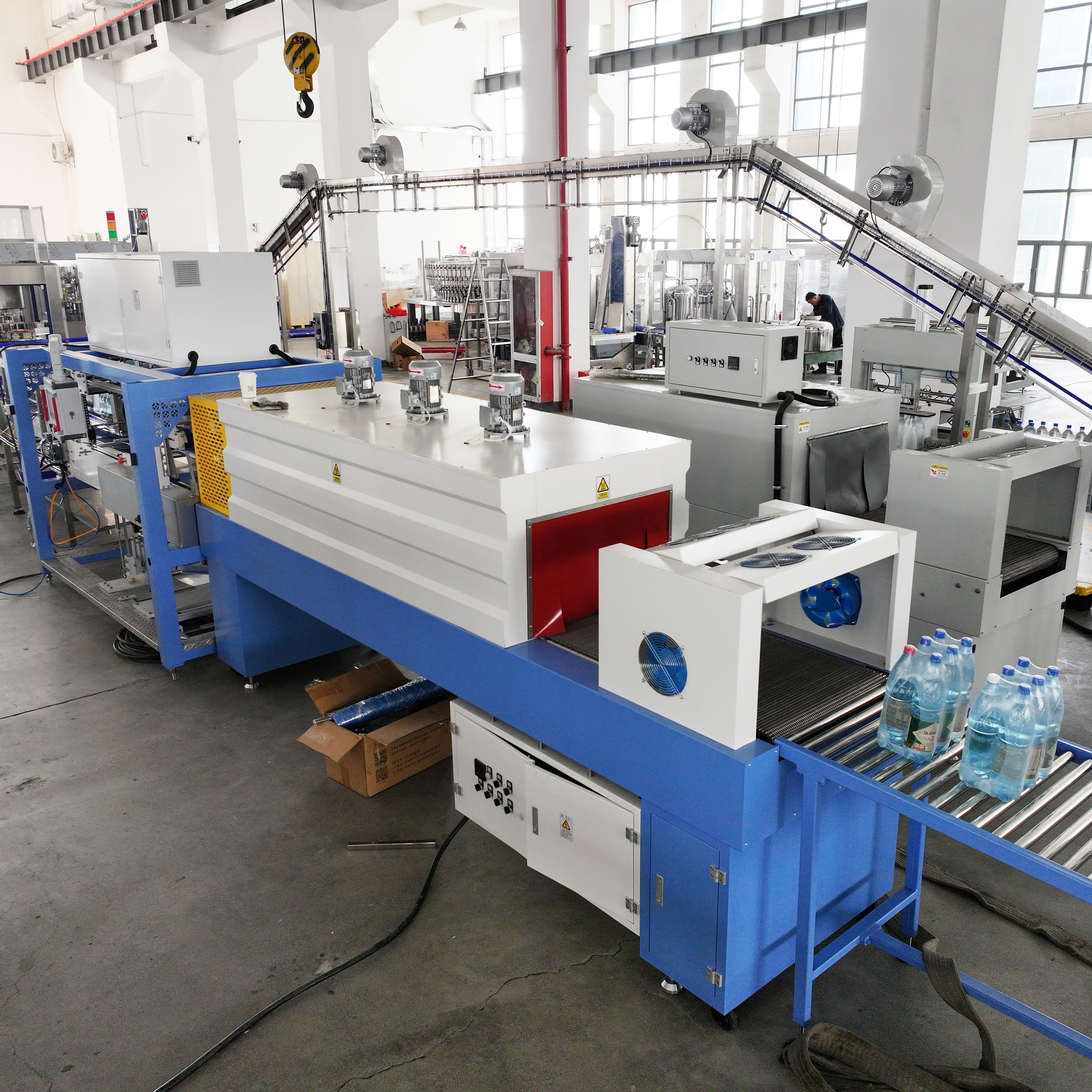
The final stage of the synchronized workflow transitions filled containers from the wet filling zone into secure closure and inspection modules.
-
Cap Sorting and Application: Screw caps or snap-on closures are automatically oriented in a centrifugal sorter and fed via descending chutes. As bottles pass beneath the capping head, magnetic or servo-driven torque mechanisms secure the cap to a uniform tightness, preventing leaks or tampering.
-
Inline Vision Inspection: Automated vision sensors integrated into the blow molding and filling line inspect cap placement angle, liquid fill height, and container seal integrity. Any defective vessel is automatically ejected from the beverage packaging system before secondary packaging, ensuring 100 percent compliance with rigid quality control protocols managed by a reliable plastic water bottle manufacturing machine ecosystem.
Comparative Architecture: Standalone vs. Integrated In-Line Systems
To better understand the operational advantages of synchronization, the following table compares traditional isolated processing with an integrated ACE-FILLING setup.
| Performance Metric | Standalone Machines & Manual Transfer | Fully Integrated In-Line System |
| Footprint Efficiency | High floor space required due to bulk staging | Compact, optimized linear or monoblock layout |
| Contamination Risk | Elevated risk from manual intervention and open air storage | Minimized vector exposure via closed sterile air transfer |
| Throughput & Speed | Variable; limited by manual loading bottlenecks | Synchronized high-speed output (up to 12,000+ BPH) |
| Labor Requirement | High operator overhead for transfer and staging | Minimal oversight; fully automated PLC-driven control |
| Energy Consumption | Fragmented power usage across separate machine startups | Optimized energy recovery and synchronized drive systems |
Maintenance, Calibration, and Compliance Standards
Ensuring long-term reliability across a complex blow molding and filling line requires strict adherence to maintenance schedules and sanitary standards. Plant engineers operating a plastic water bottle manufacturing machine alongside in line filling equipment must implement the following protocols:
-
Pneumatic Seal and Valve Inspection: Regularly inspect high-pressure blow valves and air compressor filters to prevent pressure drops that compromise bottle wall integrity.
-
Flowmeter and Sensor Calibration: Weekly calibration of liquid flow sensors ensures absolute volumetric precision, avoiding costly overfilling losses within the beverage packaging system.
-
Sanitary CIP/SIP Protocols: Execute routine Clean-In-Place (CIP) and Sterilize-In-Place (SIP) cycles across all fluid contact surfaces in the in line filling equipment to prevent microbial buildup and satisfy international quality standards.
Conclusion
Integrating a high-performance plastic water bottle manufacturing machine with advanced in line filling equipment represents the pinnacle of modern liquid packaging engineering. By eliminating manual handling bottlenecks and establishing a continuous, automated blow molding and filling line, beverage producers can achieve unmatched hygiene, operational speed, and product consistency. Partnering with industry experts like ACE-FILLING ensures that your complete beverage packaging system meets the rigorous demands of global markets while maximizing long-term profitability.

 Hot News








