English Version (Ready to Publish)
Since 12 August 2026, the EU's Packaging and Packaging Waste Regulation (PPWR) has applied across all member states — the biggest change to European packaging law in a generation. For beverage producers, contract packers, and anyone supplying packaged drinks into the EU, compliance is no longer a future project. It is the new baseline for how bottles are designed, filled, and brought to market.
What the PPWR requires
What this means for filling lines
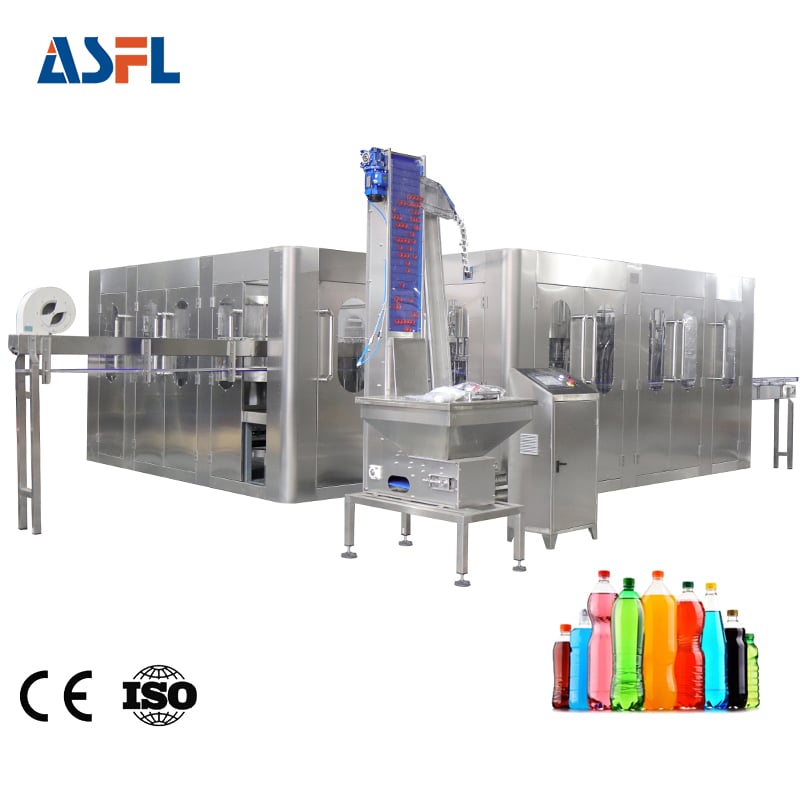
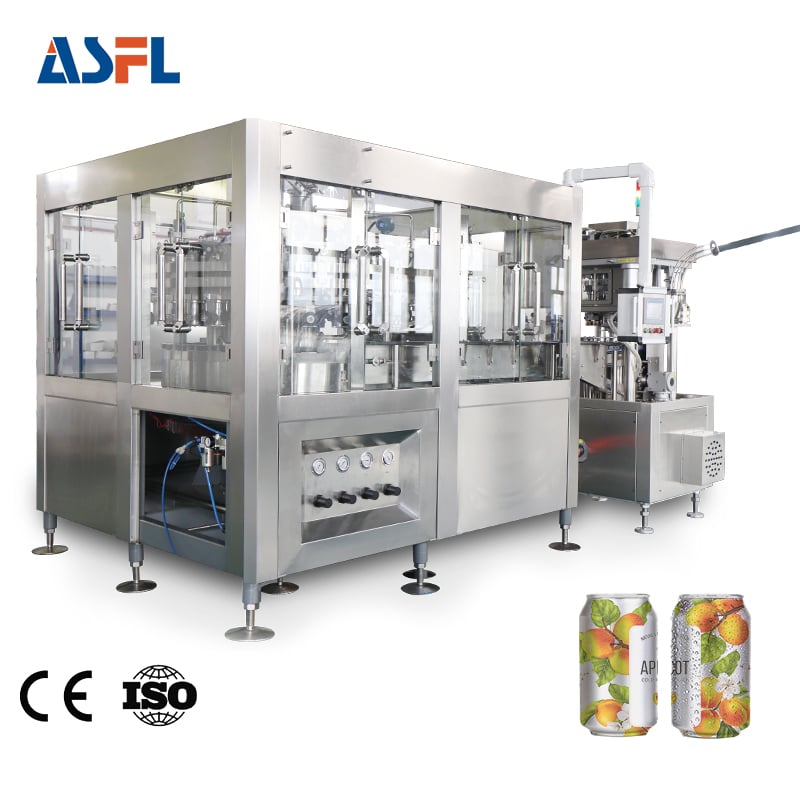
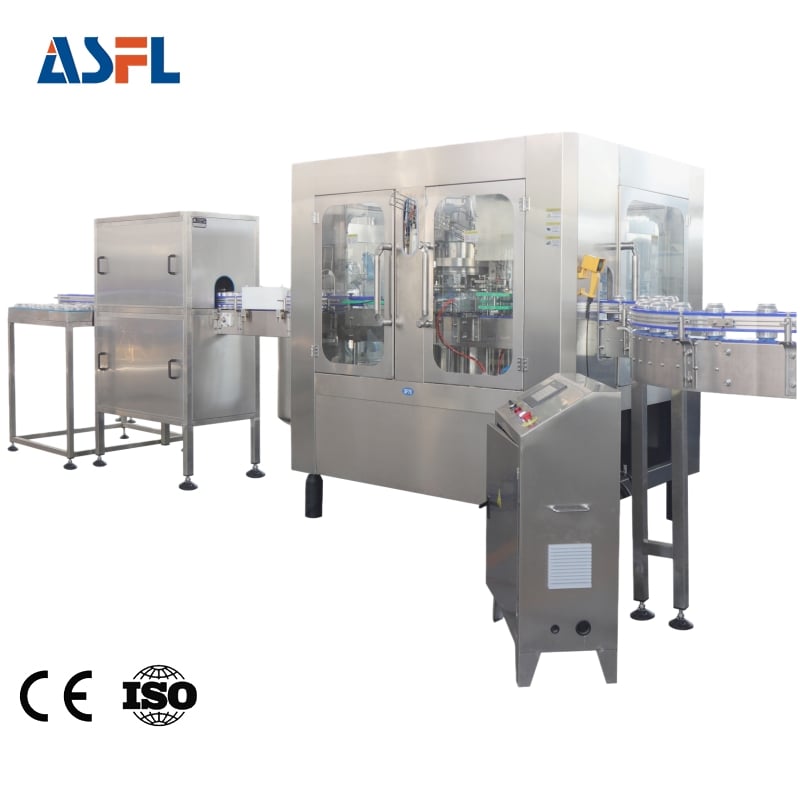
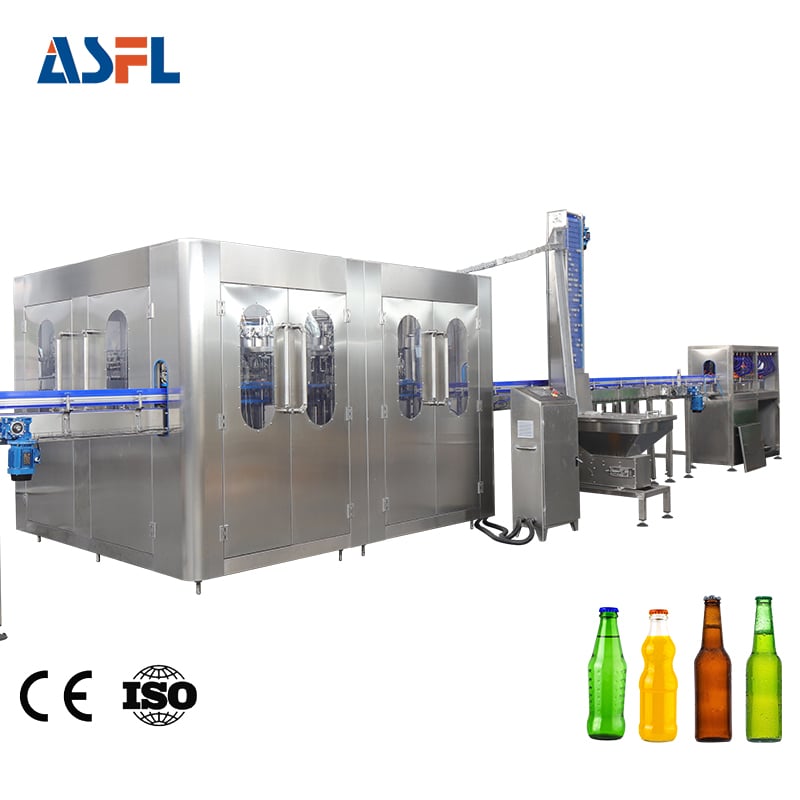
1. Lighter and recycled bottles. To meet recyclability and waste targets, brands are switching to lightweight and rPET bottles. Thinner, softer containers are more prone to deformation and misalignment. Filling equipment must handle them gently and precisely — accurate fill control, stable container handling and minimal product giveaway are now ESG metrics as much as cost metrics.
2. More changeovers, smaller batches. Reuse formats and rapid product innovation mean more SKUs and shorter production runs. Recipe-based controls, tool-less adjustments and fast changeover are moving from nice-to-have to must-have.
3. Data for compliance. Smart filling lines generate real-time data on throughput, fill accuracy, downtime and OEE. That visibility supports traceability and sustainability reporting, while predictive maintenance keeps lines running as regulation tightens margins.
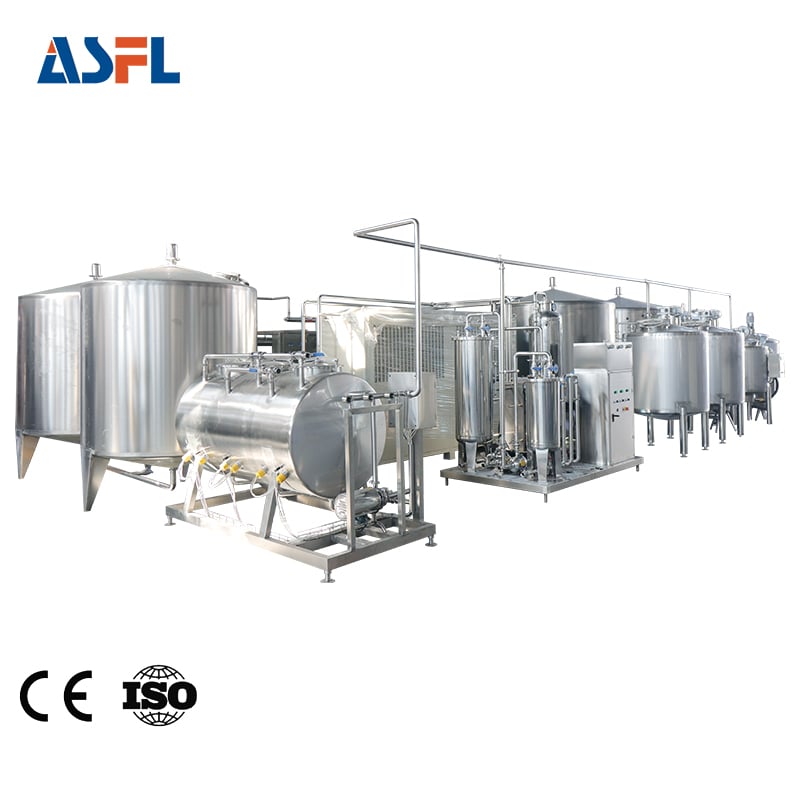
4. Hygiene by design. Sanitary stainless-steel construction, hygienic welds and Clean-in-Place (CIP) systems remain the foundation of food-safe, audit-ready production.
Market context
The filling machine segment generated around USD 5.69 billion in 2025 and is projected to grow at a 4.8% CAGR through 2035 (GM Insights, June 2026). The automatic filling machine market is expected to rise from USD 6.4 billion in 2026 to USD 10.2 billion by 2036 (July 2026). Sustainability-driven upgrades are a key growth driver.
The takeaway
European buyers are not just looking for machines — they are looking for partners who understand the regulatory shift. When upgrading a line, prioritise flexibility, precision, automation and sustainable-packaging compatibility. The lines that adapt fastest will be the ones winning orders in the new EU market.
 Hot News
2026-10-20
2026-10-20
2026-10-20
2026-10-20
2026-10-20
2026-10-20
 EN
EN