EN
EN

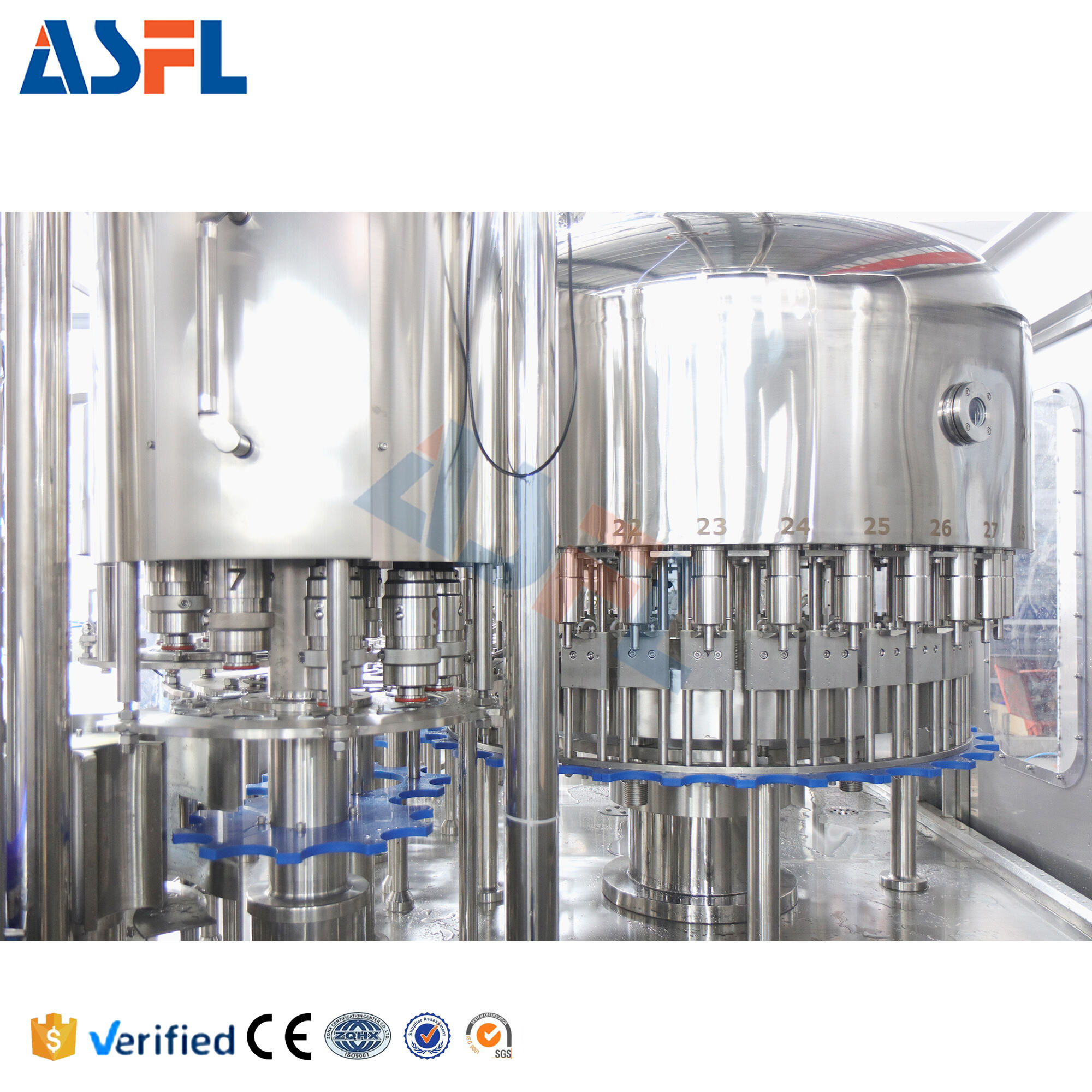
Municipal Water Supply: Reliable, Regulated, and Ready for Integration with Water Filling Machines
City water supplies serve as pretty reliable sources for companies that bottle water commercially. Most municipal systems already come treated to satisfy both EPA and World Health Organization guidelines. Think about it: they need to keep Total Dissolved Solids under 500 parts per million and ensure there's no coliform bacteria detected at all. This kind of pre-treatment gives bottled water producers a consistent base material to work with. When the incoming water stays stable in quality, it means fewer problems down the line. Bottling machines run smoother without unexpected variations, and customers get safer products overall since potential contaminants are already filtered out before processing even begins.
Compliance with EPA/WHO standards and built-in quality consistency (e.g., TDS < 500 ppm, zero coliforms)
Public water undergoes rigorous disinfection and contaminant removal protocols. Key quality markers include:
- TDS Stability: Maintains <500 ppm, preventing mineral scaling in equipment
- Pathogen Control: Chlorination or chloramination ensures zero detectable coliforms
These regulated parameters minimize biological or chemical surprises during production cyclesâproviding a predictable baseline ideal for integration with precision water filling machines.
Essential pretreatment for water filling machines: Activated carbon, UV, and 0.2-µm final filtration
Despite municipal compliance, bottling-specific safeguards remain critical. Municipal water contains residual chlorine (typically â¤0.5 ppm), which can degrade polyamide RO membranes and interfere with downstream sterilization. A targeted three-stage pretreatment ensures feedwater is optimized for both machine longevity and product sterility:
- Activated Carbon Filters: Remove residual chlorine and organic compounds
- UV Sterilization: Inactivates chlorine-resistant pathogens like Cryptosporidium and Giardia
- 0.2-Micron Absolute Filtration: Captures particulates, endotoxins, and microbes missed upstream
This barrier system extends component lifespan, prevents biofilm formation in nozzles and manifolds, and guarantees microbiological integrity of the final product.
Groundwater Sources: High Mineral Content Requires Robust Pre-Treatment for Water Filling Machines
Key Contaminants Threatening Water Filling Machine Performance: Hardness, Iron, Manganese, and Fluoride
The natural minerals found in groundwater create real headaches for operations. When calcium and magnesium levels get too high, they form scale deposits inside nozzles, heat exchangers, and reverse osmosis membranes. This scaling can cut down thermal efficiency and reduce water flow by as much as 15% each year if left unchecked. Then there's iron and manganese content above 0.3 parts per million that turns into stubborn deposits after oxidation. These deposits not only stain stainless steel equipment but also block fine filters and leave cloudy residue in final products. High fluoride concentrations exceeding 1.5 ppm are another problem because they speed up corrosion in premium stainless steel parts, especially where water circulates at higher temperatures and lower pH levels. All these issues together mean higher maintenance bills and greater chances of unexpected shutdowns. According to recent research from the Ponemon Institute, facilities using untreated groundwater typically spend around $740,000 annually on maintenance alone, plus face about 120 extra hours of production downtime every year across each manufacturing unit.
Dedicated Pre-Treatment Train: Antiscalant Dosing, Multimedia Filtration, Industrial RO, and Ozone Sterilization
Groundwater requires special treatment approaches due to its distinct characteristics. When we talk about antiscalant dosing, it needs careful calibration based on LSI and S&DSI values to stop those pesky crystals from forming on RO membranes and heat transfer surfaces. For multimedia filtration, graded layers of anthracite, sand, and garnet work together to catch all those suspended particles while also breaking down dissolved iron and manganese through catalytic oxidation. What comes next is industrial reverse osmosis which typically knocks out over 98 percent of dissolved ions, bringing total dissolved solids down below 50 parts per million. This matters because lower TDS means less scaling risk and better filling precision for equipment. Terminal ozone injection rounds things out by killing off microbes without leaving behind harmful residues. Farmers have noticed this becoming increasingly important since there was a significant 28% jump in detected pathogens in groundwater following those major floods across agricultural areas in 2023. The whole system maintains necessary minerals when needed while still producing water that works reliably in machines.
Surface Water Sources: Variable Quality Demands Adaptive, Multi-Barrier Treatment for Water Filling Machines
Seasonal risksâturbidity, algal toxins, and pathogensâand their impact on water filling machine safety and uptime
Water quality from surface sources changes quite a bit depending on what time of year it is and how the weather acts up. When spring comes around, all that melting snow sends sediment levels through the roof, often pushing turbidity past 100 NTU. This creates major problems for pre-filters and those UF membranes that need cleaning much more frequently than normal. Then there's summer when algae starts blooming everywhere, bringing along nasty stuff like microcystins that can actually harm liver function, plus geosmin which ruins both taste and smell while also causing headaches for meeting regulations. Rainy seasons bring another headache as pathogen counts can jump by as much as four times their usual level. This leads to increased biofilm formation inside filling nozzles and raises the chances of product recalls. All these seasonal variations pose serious risks to production lines. Plants dealing with these unpredictable conditions typically lose around $7,500 every single day due to unexpected maintenance needs caused by fluctuating water qualities.
Integrated treatment strategy: Coagulation-flocculation, ultrafiltration (UF), and redundant UV disinfection
Surface water treatment needs an adaptable approach with multiple protective layers to handle all sorts of fluctuations. When we talk about coagulation and flocculation processes, polyaluminum chloride works wonders at gathering those tiny particles and organic stuff floating around in the water. This step alone can slash turbidity levels by almost 95% before anything gets filtered out. What comes next is ultrafiltration technology which acts like a super strong sieve, catching everything from bacteria to protozoan cysts and big molecules as small as 0.025 microns. The best part? It doesn't rely on chemicals for this mechanical filtering action. For extra protection against stubborn pathogens like Cryptosporidium that resist regular disinfectants, facilities install redundant UV systems. These units hit a minimum dose of 100 mJ per square centimeter, which is actually twice what most standards require. Real world testing shows this whole setup stops about 92% of problems that would otherwise force plant shutdowns. That makes it particularly valuable for water plants drawing from unpredictable sources like rivers, lakes, or reservoirs where quality varies day to day.
FAQ
- Why is municipal water supply beneficial for bottled water companies?
- Municipal water supplies are pre-treated to satisfy EPA and WHO guidelines, ensuring stable water quality that minimizes bottling machine issues and provides safer products.
- What are the challenges faced in using groundwater for water filling machines?
- Groundwater contains minerals like calcium, magnesium, iron, manganese, and fluoride, which cause issues like scaling, corrosion, and heightened maintenance costs.
- How does seasonal variation affect surface water sources?
- Seasonal changes lead to fluctuating water quality due to turbidity, algal toxins, and pathogens, impacting the safety and uptime of water filling machines.
Table of Contents
- Municipal Water Supply: Reliable, Regulated, and Ready for Integration with Water Filling Machines
- Groundwater Sources: High Mineral Content Requires Robust Pre-Treatment for Water Filling Machines
- Surface Water Sources: Variable Quality Demands Adaptive, Multi-Barrier Treatment for Water Filling Machines