EN
EN

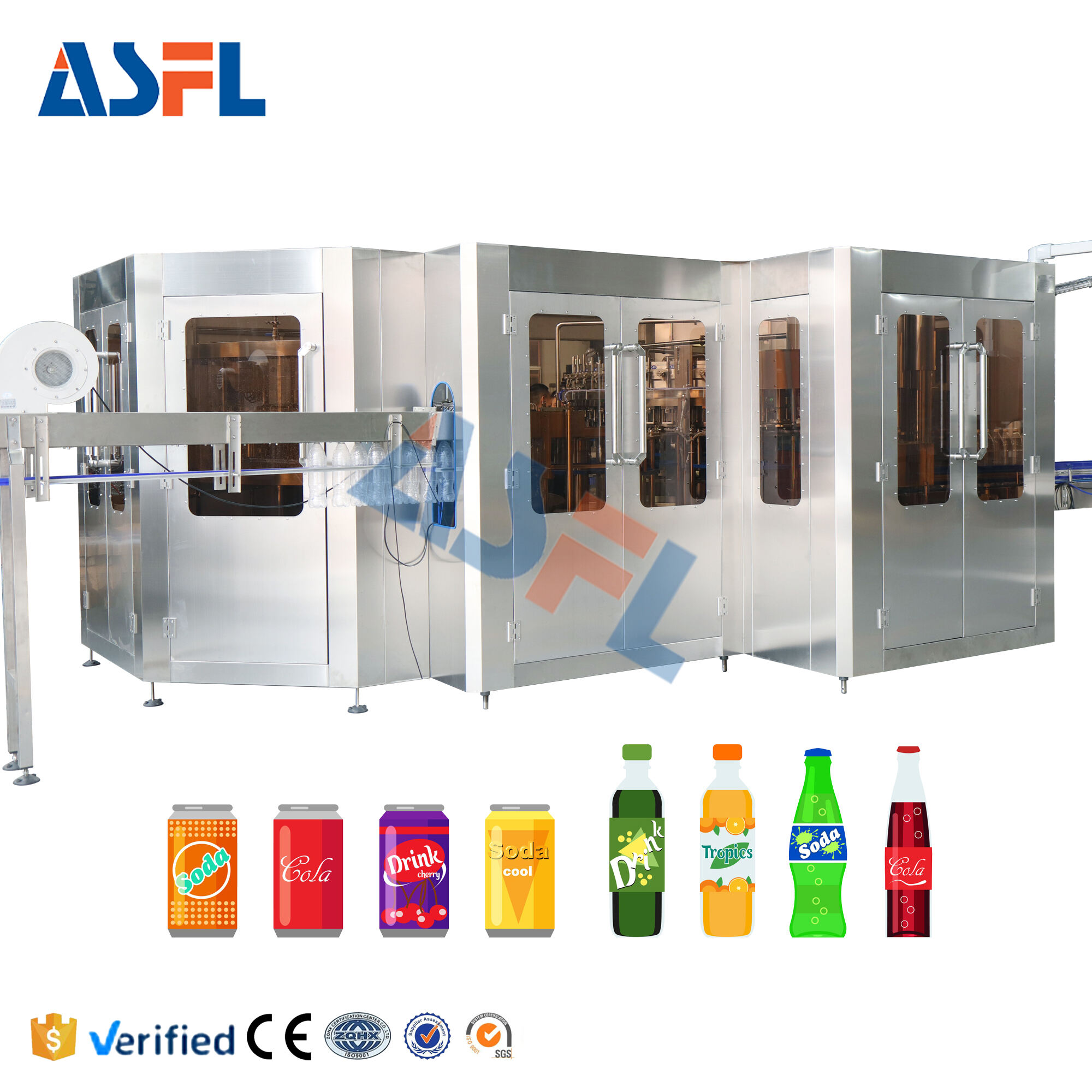
Understanding CO2 Demand in Carbonated Drink Filling Machine Operations
The Role of Beverage Grade CO2 and Its Importance in Carbonation
The quality of carbon dioxide matters a lot when it comes to making beverages. Beverage grade CO2 with around 99.9% purity ensures that carbonation stays consistent throughout production. This affects how bubbles form in the drink and keeps products stable on store shelves longer. Industrial grade CO2 just doesn't cut it because it contains hydrocarbons that can ruin flavors and actually break FDA and CE regulations. According to research published by the Food Technology Institute last year, soft drinks made with lower quality CO2 tend to lose between 18 and 23 percent of their fizz after only 30 days sitting on shelves. That's almost twice as much as what happens with drinks made from properly purified gas, which typically lose only 8 to 12 percent during the same period. The difference really adds up over time for manufacturers concerned about product quality and customer satisfaction.
Factors Influencing CO2 Consumption in Filling Processes
Key variables affecting CO2 demand include:
- Filling valve type: Rotary systems with pressure-compensation seals reduce gas waste by 15% versus linear models
- Ambient temperature: For every 5°C increase above 15°C, CO2 consumption rises 8% to maintain 4.5 vol carbonation (temperature-controlled filling systems)
- Line speed thresholds: Operations exceeding 24,000 bottles/hour require 9–12% more CO2 for headspace pressurization
Calculating Average CO2 Loss During Machine Cycles
Modern counter-pressure filling machines minimize gas loss to 2–4% per cycle through a three-phase evacuation process:
- Bottle pre-purging (removes 98% atmospheric oxygen)
- CO2 flushing (creates 1.8–2 bar isobaric environment)
- Beverage transfer (pressure-matched liquid injection)
According to the Beverage Production Journal (2023), manual venting systems lose 12–18% CO2 compared to automated controls.
Key Machine Specifications Affecting CO2 Usage in Carbonated Drink Filling
Filling Valve Design and CO2 Retention Efficiency
Pressure-regulated filling valves improve CO2 retention by up to 18% over basic models (equipment efficiency benchmarks). Double-seated valves maintain stable pressure during filling, while vacuum-assisted closures prevent foam-related gas escape—especially important for beverages requiring 3.0+ volumes of CO2.
Impact of Fill Volume and Container Type on Gas Requirements
Narrow-neck glass bottles require 12–15% higher CO2 pressure than aluminum cans to achieve equivalent carbonation. Wider openings allow faster filling rates (50–70 containers/minute) but increase diffusion risks in low-viscosity beverages. Automated volume sensors adjust gas injection dynamically, compensating for density variations up to ±0.2 g/cm³.
Cycle Time and Idle Period Implications for CO2 Demand
Machines operating below 85% capacity utilization consume 22% more CO2 per liter due to repeated pressurization cycles. Smart buffering systems maintain 30–35 psi during pauses under 60 seconds, preventing the typical 2.1 kg/hour loss seen in conventional setups. Real-time flow meters with ±1.5% accuracy enable precise adjustments across shifts.
Beverage Grade CO2: Purity, Pressure, and System Compatibility
Why Beverage Grade CO2 Is Essential for Consistent Carbonation
For drinks, carbon dioxide needs to be at least 99.9% pure if we want to keep flavors intact and stay within regulations. Even tiny bits of stuff like hydrocarbons or water content around 0.1% can mess up the taste, something the Beverage Production folks pointed out last year. When there's too much oxygen floating around (over 30 parts per million), citrus drinks start breaking down faster. This means they won't last as long on store shelves maybe even 18% shorter according to some studies from ISBT in 2023. Most serious beverage makers check their CO2 quality using gas chromatography tests right before starting production runs. It's one of those things that seems small but makes all the difference when it comes to keeping customers happy with consistent product quality.
Pressure Requirements for Optimal CO2 Solubility in Liquids
CO2 solubility depends on precise pressure and temperature control. Most carbonated drink filling machines operate within these optimal ranges:
| Parameter | Optimal Range | Purpose |
|---|---|---|
| Filling Pressure | 2.0–2.5 bar | Maintains dissolved CO2 during filling |
| Liquid Temperature | 2°C–4°C | Maximizes gas retention |
| Solubility Target | 5–7 g/L | Achieves industry-standard fizz |
Deviations beyond ±0.3 bar or ±1°C increase foaming by 22%, leading to rework and waste, according to carbonation equipment guidelines.
Contamination Risks and Regulatory Compliance in Food-Grade Systems
Non-compliant CO2 systems risk introducing microbial or chemical contaminants. The European Industrial Gases Association (EIGA) mandates:
- HACCP-based hazard analysis for CO2 production facilities
- Quarterly testing for non-volatile residues in storage tanks
- Use of food-grade hoses with <0.5% plasticizer migration
Failure to comply can trigger batch recalls averaging $740k (Ponemon 2023). Best practices include installing 0.3-micron particulate filters and using stainless steel transfer lines rated for -40°C to +50°C operation.
Sizing and Managing CO2 Storage for Continuous Filling Operations
Sizing Bulk Tanks Based on Daily Production Needs
Bulk CO2 tanks should support 1.5–2x daily peak demand to accommodate purges, ramp-ups, and temperature fluctuations. A facility bottling 20,000 liters daily at 4.5 volumes requires approximately 250 kg of liquid CO2 per 8-hour shift. This buffer ensures uninterrupted operation during supply variability.
Minimizing Venting and Purging Losses in Transfer Lines
Optimized routing reduces CO2 waste by 18–22% compared to conventional layouts (Food Engineering 2023). Insulated stainless steel pipes equipped with automated pressure relief valves maintain liquid CO2 at -49°C (-57°F), minimizing vaporization during transfer to filling machines.
Piping Layout and Insulation Best Practices for Liquid CO2
To prevent phase change, follow these design principles:
- Slope all pipes 0.5" per foot toward storage tanks
- Use 2" thick polyurethane foam insulation (minimum R-8 rating)
- Install vapor return lines on long transfer runs
Monitoring Phase Change and Preventing Flash Gas Formation
Real-time mass flow meters detect flash gas formation within ±1.5% accuracy, activating compressor-assisted reliquefaction when gaseous CO2 exceeds 5% of total flow. As shown in carbonation system studies, this approach maintains carbonation consistency and reduces CO2 consumption by 12–15% in high-speed operations.
Safety and Efficiency in CO2 Handling for Carbonated Drink Filling Machines
Safety Protocols for High-Pressure CO2 Environments
Carbonated drink filling machines operate under 50–120 psi, requiring strict safety protocols:
- Mandatory training on cylinder handling and emergency shutdown procedures
- Installation of pressure relief valves and CO2 detectors in confined spaces
- Weekly inspections of high-pressure seals and connectors
Facilities using structured lockout/tagout programs reduced CO2-related incidents by 63% (2022 Beverage Production Safety Report).
Ensuring System Reliability Through Regular Maintenance and Monitoring
Proactive maintenance cuts unplanned downtime by 41% in carbonation systems (Food Engineering Journal 2023). Key actions include:
- Monthly calibration of fill sensors and pressure transducers
- Quarterly replacement of worn valve O-rings and gaskets
- Continuous monitoring of actual vs. theoretical CO2 usage
Advanced operations use predictive tools like infrared thermal imaging to identify early-stage leaks in pressurized components, preventing failures before they disrupt production.
FAQ
Why is beverage grade CO2 preferred over industrial grade CO2?
Beverage grade CO2 is preferred because it has higher purity levels (99.9%), ensuring consistent carbonation and taste. Industrial grade CO2 may contain hydrocarbons that can degrade flavor and violate food safety regulations.
How do ambient temperature changes affect CO2 consumption?
For every 5°C increase above 15°C, CO2 consumption rises by 8% to maintain the desired carbonation level, thus requiring precise temperature control during filling processes.
What is the importance of filling valve design in CO2 retention?
Pressure-regulated filling valves improve CO2 retention by up to 18% over basic models, helping to maintain stable pressure during filling and prevent foam-related gas escape, which is crucial for high carbonation levels.
Table of Contents
- Understanding CO2 Demand in Carbonated Drink Filling Machine Operations
- Key Machine Specifications Affecting CO2 Usage in Carbonated Drink Filling
- Beverage Grade CO2: Purity, Pressure, and System Compatibility
- Sizing and Managing CO2 Storage for Continuous Filling Operations
- Safety and Efficiency in CO2 Handling for Carbonated Drink Filling Machines
- FAQ