EN
EN

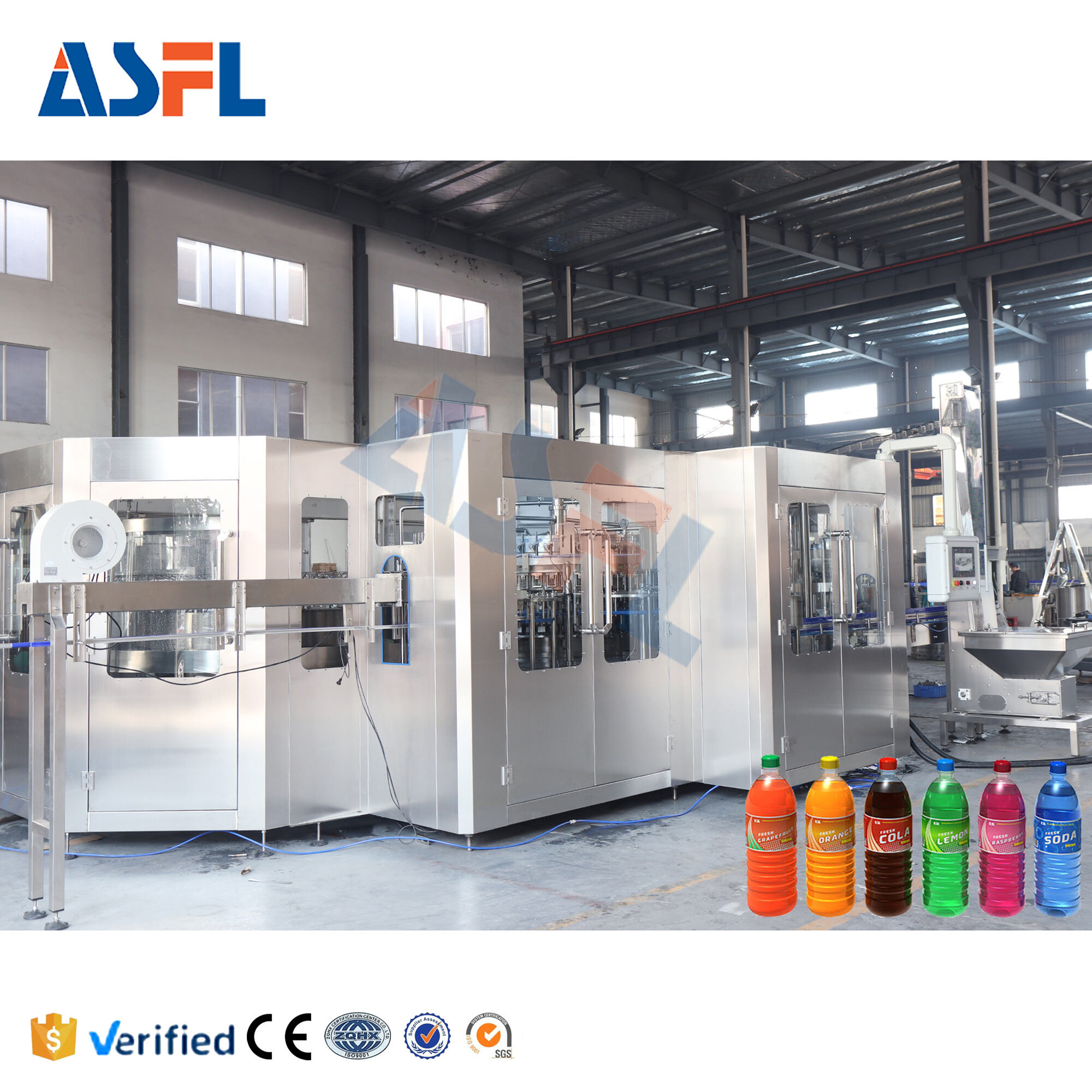
Core Mechanical Safety Systems in Carbonated Beverage Filling Machines
No-bottle-no-fill detection to prevent over-pressurization and spills
Infrared sensors and proximity switches halt filling heads when bottles are misaligned or absent, preventing CO2-rich beverages from spraying at pressures up to 3.5 bar (82 psi). This failsafe eliminates liquid waste and reduces slip hazards in high-speed production environments.
Emergency stop integration with production line safety circuits
Emergency stop buttons are wired through Category 4 safety relays—per ISO 13849-1—to Programmable Logic Controllers (PLCs), enabling full line shutdown within 500 milliseconds. This integration protects personnel and equipment from cascading mechanical failures during emergencies.
Pressure relief valves and burst discs for overpressure protection
Dual mechanisms provide layered protection against pressure surges:
| Safety Component | Activation Threshold | Response Time | Maintenance Cycle |
|---|---|---|---|
| Spring-loaded Relief Valve | 110% operating pressure | Immediate | Annual calibration |
| Rupture Disc | 150% operating pressure | Single-use | Replace after activation |
This combination reduces pressure-related equipment damage by 73% compared to single-protection systems, as supported by research on carbonated liquid dynamics.
Interlock systems that halt operation when guards are open
SIL-3 certified magnetic interlocks disable machinery when access guards deviate more than 2mm from sealed positions. These systems prevent accidental contact with high-speed capping heads rotating at 120 RPM during peak operations.
Operator Safety and Human-Centric Design of Carbonated Beverage Filling Machine
Ergonomic Layouts to Minimize Strain During High-Speed Filling Operations
Height-adjustable workstations and angled access panels reduce operator bending and reaching by 40% during extended shifts. Rotating filler heads and foot-operated controls support natural posture transitions, maintaining productivity above 30,000 bottles/hour while minimizing fatigue.
Tool-Free Access and Modular Components for Safe, Efficient Maintenance
Quick-release clamps and slide-out valve assemblies allow technicians to replace wear parts in under 90 seconds without tools. This design reduces hand injuries by 62% and cuts maintenance downtime by 28%, aligning with ISO 13857:2019 safety requirements. Magnetic sensor covers and color-coded hydraulic lines further improve efficiency during pressurized system servicing.
Clear Safety Signage and Intuitive Labeling to Reduce Human Error
Equipment that uses ISO 3864-2 standard symbols along with text in multiple languages cuts down on control panel mistakes across international operations by around 50% according to recent studies. Emergency stops that can be felt even when lights are dimmed help workers spot them easily in darker conditions. The machines also come with built-in flow diagrams showing exactly how to clean everything properly after switching products. Factory managers report seeing a dramatic drop in accidents involving chemicals when these visual guides are in place, with some plants reporting nearly 70% fewer incidents during those tricky flavor change periods.
Hygiene Integration as a Critical Safety Component
Clean-in-place (CIP) systems to eliminate contamination risks
Automated Clean-in-place (CIP) systems circulate high-temperature cleaning agents through nozzles and pipelines without disassembly, preventing biofilm formation and cross-contamination. According to a 2023 Food Control review, CIP protocols reduce microbial counts by 99.7% in sensitive applications—a level of efficacy directly applicable to carbonated beverage production.
Use of 316L stainless steel and FDA-approved polymers for corrosion resistance and food safety
316L stainless steel resists corrosion from carbonic acid and aggressive CIP chemicals, while FDA-approved elastomers maintain seal integrity across repeated thermal cycles. Together, these materials comply with 21 CFR Part 117 guidelines for food contact surfaces and prevent particulate contamination.
Seamless welds and optimized drainage to prevent microbial growth
Orbital welding produces internal surfaces with ≤0.5µm roughness, eliminating crevices where spoilage organisms like Pseudomonas spp. can proliferate. Angled geometries and radiused corners ensure complete drainage, limiting residual moisture to <0.1mL/m²—below the threshold required for bacterial replication per NSF/3-A sanitary standards.
Compliance with International Safety and Hygiene Standards
Meeting ISO, CE, FDA, and OSHA Requirements in Machine Design and Manufacturing
Carbonated beverage filling machines integrate ISO 22000 food safety protocols, CE machinery directives, and FDA 21 CFR Part 110 hygiene standards into core engineering. These frameworks govern electrical safety, hygienic material selection, and ergonomic operation. OSHA-compliant emergency stop placements and accessible lockout-tagout (LOTO) points further prevent accidental startups during maintenance.
SGS Certification as Validation of Global Safety and Hygiene Compliance
Third-party SGS certification verifies adherence to regional mandates such as EU Directive 2006/42/EC and NSF/ANSI 3. The evaluation spans 24 risk categories—from hydraulic integrity to surface sanitation—providing manufacturers with globally recognized compliance validation.
Data Point: 92% of EU Beverage Plants Require CE-Marked Carbonated Beverage Filling Machines
A 2023 European Food Machinery Association (EFMA) study found that 9 of 10 EU beverage producers require CE marking on filling equipment, favoring machines with integrated safety logic controllers that automatically disable operations during pressure deviations. This trend reflects alignment with IEC 62061 standards for machinery risk reduction.
Training, Procedures, and Risk Mitigation in Daily Operations
Standard Operating Procedures (SOPs) for Safe Startup, Operation, and Shutdown
Comprehensive SOPs govern critical processes including pressure management, CO2 leak response, and sterilization sequences. Key steps include:
- Pressure equalization checks before engaging filling heads
- Valve actuation timing synchronized with conveyor speeds
- Post-shutdown CIP activation parameters
Non-compliance accounts for 34% of carbonation-related incidents in bottling plants (EFMA, 2023). Leading manufacturers now embed interactive digital SOP guides into machine HMIs, reducing procedural deviations by 72% in pilot programs.
Mandatory Training Programs Covering Emergency Response and Machine Handling
Competency-based training mitigates human error in high-pressure environments. Core modules include:
| Training Module | Key Components | Certification Standard |
|---|---|---|
| Emergency Response | CO2 asphyxiation protocols, emergency stop zones | ISO 13849-1 |
| Hazard Recognition | Pressure vessel inspection, seal degradation signs | OSHA 1910.212 |
| Sanitation Practices | Biofilm prevention, CIP system operation | FDA 21 CFR Part 129 |
The Coca-Cola Hellenic initiative (2022) demonstrated a 68% reduction in workplace incidents through quarterly drills simulating filler head jams and CO2 line ruptures. Training effectiveness increases by 41% when VR simulations are combined with hands-on workshops, as confirmed by SGS audits.
Case Study: Reducing Workplace Incidents by 68% Through Safety Drills
A European bottler achieved ISO 45001 certification by transforming its safety culture around rotary carbonated beverage filling machines. Key actions included:
- Pre-shift safety briefings reviewing prior day incident logs
- Pressure system walkdowns using thermal imaging
- Cross-departmental drill teams uniting engineers and operators
This approach reduced annual unplanned downtime by 290 hours and lowered Workers' Compensation claims by $140k (2022 plant safety report). Audits revealed 92% of corrective actions were procedural, underscoring the importance of consistent training and operational discipline.
FAQ
What safety features are essential in carbonated beverage filling machines?
Critical safety components include no-bottle-no-fill detection systems, emergency stop integration with safety circuits, pressure relief valves, and interlock systems. These elements ensure that the machine stops in emergency conditions and prevent over-pressurization and spills.
How does ergonomic design benefit operators of carbonated beverage filling machines?
Ergonomic layouts with height-adjustable workstations and foot-operated controls reduce operator strain and fatigue, supporting natural posture transitions and enabling productivity while minimizing physical stress during operations.
Why is hygiene integration important in these machines?
Hygiene integration is crucial to prevent contamination. Features like clean-in-place (CIP) systems, use of corrosion-resistant materials, and seamless welds help maintain cleanliness, ensuring the safety and quality of the beverage products.
What role does training play in the operation of beverage filling machines?
Training provides operators with the knowledge and skills needed to safely and effectively handle machines, recognize hazards, and respond to emergencies. It reduces human error and helps in maintaining safe operational standards in high-pressure environments.
Table of Contents
- Core Mechanical Safety Systems in Carbonated Beverage Filling Machines
- Operator Safety and Human-Centric Design of Carbonated Beverage Filling Machine
- Hygiene Integration as a Critical Safety Component
- Compliance with International Safety and Hygiene Standards
- Training, Procedures, and Risk Mitigation in Daily Operations
- FAQ