 EN

The packaged drinking water industry continues to experience steady global expansion, driven by rising health consciousness, urban population growth, and increasing demand for convenient, verified clean water. For ambitious entrepreneurs and regional investors, entering this market through a small water bottling plant offers high gross profit margins and scalable growth. However, starting a commercial water bottling business involves far more than simply filling plastic bottles with tap water.
Without meticulous initial planning regarding water source hydrogeology, regulatory compliance, water treatment engineering, and packaging machinery selection, new plant operators frequently encounter costly operational roadblocks, contamination risks, and low profit margins.
Understanding the foundational initial phase when starting a water bottling plant enables plant owners to build a lean, compliant, and highly profitable water bottling plant that delivers consistent ROI from day one.
Step 1: Raw Water Source Assessment, Lab Testing, and Hydrogeology Verification
The very first operational step in launching a small water bottling plant is securing and thoroughly analyzing your raw water source. The chemical and microbiological profile of your raw water dictates the exact filtration and purification machinery your facility will require.
-
Source Type Identification: Determine whether your raw water will be sourced from municipal tap supplies, deep underground boreholes, natural springs, or surface water reservoirs.
-
Comprehensive Laboratory Analysis: Send raw water samples to accredited testing laboratories to measure total dissolved solids (TDS), pH levels, heavy metals (such as lead and arsenic), biological pathogens, nitrates, and turbidity.
-
Yield and Flow Rate Testing: Ensure the borehole or water municipal permit guarantees sufficient continuous flow rate (measured in liters per hour) to feed your intended packaging capacity without seasonal depletion.
Understanding your water chemistry allows chemical engineers to specify precise water treatment setups—such as multi-media quartz sand filters, activated carbon beds, reverse osmosis (RO) membranes, and ultraviolet (UV) or ozone disinfection units—preventing over-investment in unneeded equipment.
Step 2: Regulatory Compliance, Licensing, and Quality Standards
Operating a commercial water bottling business requires strict adherence to national and international food safety standards. Bottled water is regulated as a food product, meaning non-compliance can lead to immediate plant shutdown, product recalls, and severe financial losses.
Before purchasing any production machinery, plant operators must secure necessary regulatory permits:
-
Water Abstraction & Environmental Permits: Clear municipal water usage rights and wastewater discharge approvals.
-
Food Safety Authority Approvals: Obtain facility registration and food manufacturing licenses from local health departments (such as FDA, IBWA, or local health ministries).
-
HACCP and ISO Certifications: Design plant layouts according to Hazard Analysis and Critical Control Points (HACCP) and ISO 22000 food safety management principles to build trust with distributor networks.
Parameter Comparison: Entry-Level Water Bottling Plant Configurations
To assist new plant owners in evaluating setup scale, capital investment, and operational capabilities, the following comparative table outlines key parameters across typical startup configurations.
| Facility Parameter / Metric | Semi-Automated Entry Line | Fully Automated Small Water Bottling Plant | High-Capacity Regional Line |
| Hourly Output Capacity | 1,000 - 2,000 bottles/hour | 3,000 - 6,000 bottles/hour | 10,000+ bottles/hour |
| Core Filling Architecture | Manual/Linear indexing filler | Monoblock Rotary Rinsing-Filling-Capping | Modular High-Speed Rotary Monoblock |
| Operator Labor Requirement | 6 to 10 manual workers | 2 to 4 trained technicians | 1 to 2 supervisory operators |
| Cleanroom Standard | Class 100,000 basic enclosure | Class 10,000 HEPA positive pressure booth | Ultra-clean Class 100 sterile enclosure |
| Profitability & ROI Timeline | Moderate (Higher labor costs) | High (Optimal balance of CAPEX and OPEX) | Scaled for massive distribution networks |
Step 3: Selecting Purpose-Built Bottling and Packaging Equipment
The core engine of a profitable water bottling plant is its packaging equipment line. Selecting reliable, highly efficient machinery ensures minimal downtime, low maintenance overhead, and precise volumetric filling accuracy.
When starting a water bottling plant, the core packaging sequence comprises four integrated sub-systems:
-
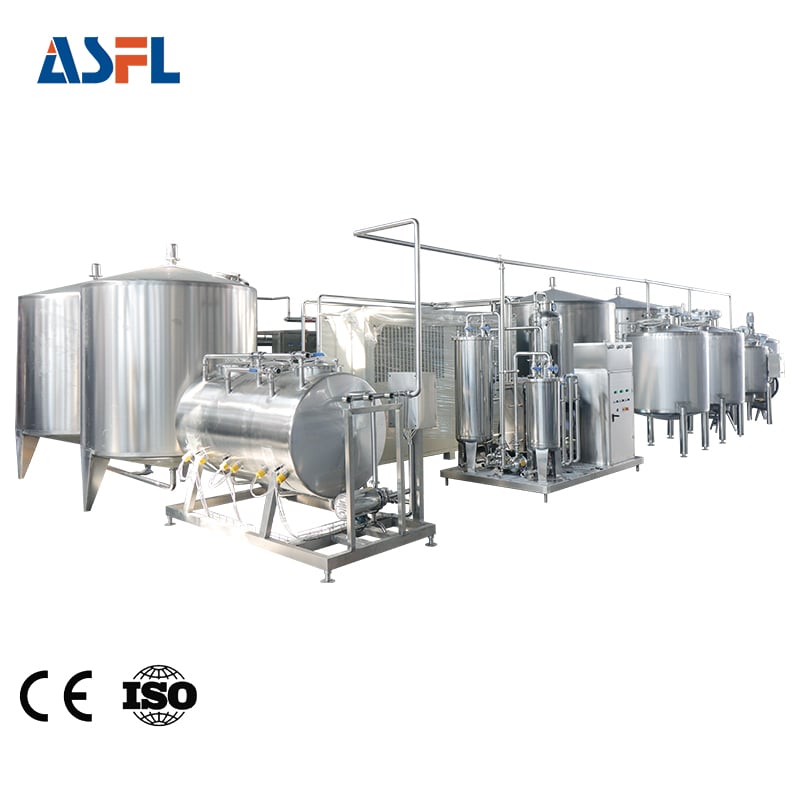
Water Purification System: Multi-stage filtration, reverse osmosis, and ozone/UV sterilization to guarantee water purity.
-
PET Bottle Blow Molding Machine: Transforming preforms into lightweight PET bottles on-site to reduce bottle transportation costs.
-
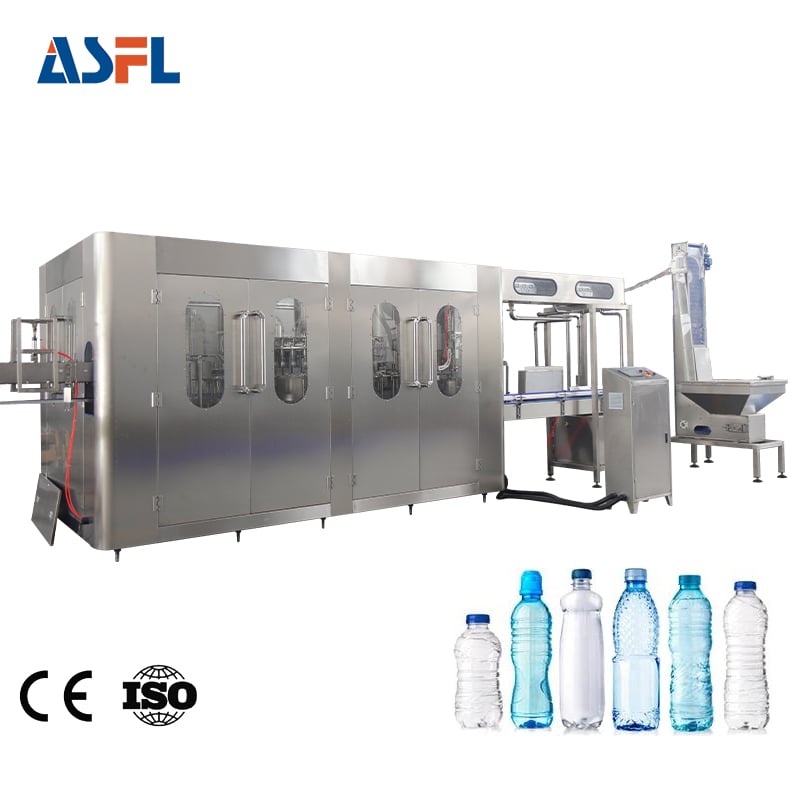
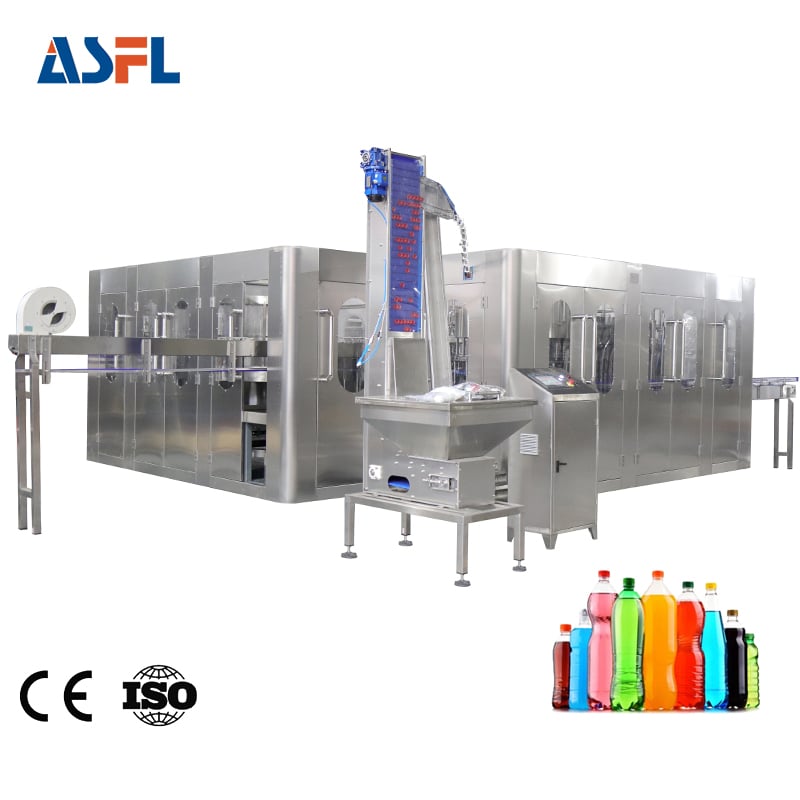
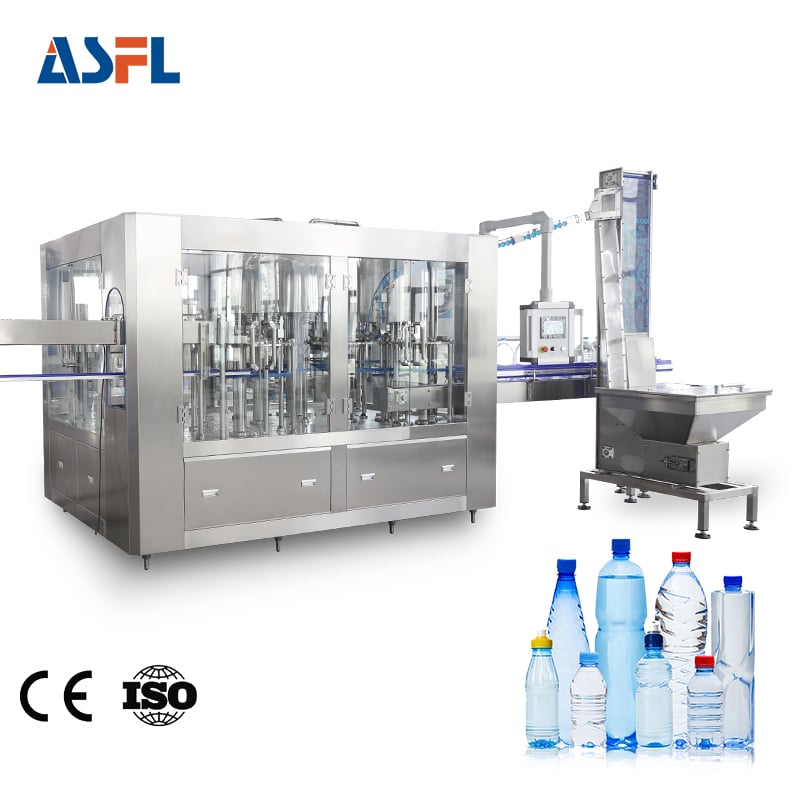
Monoblock Rinsing, Filling, and Capping Machine: A compact, integrated 3-in-1 monoblock system that rinses bottle interiors with sanitized water, fills purified water under sterile conditions, and applies tamper-evident screw caps.
-
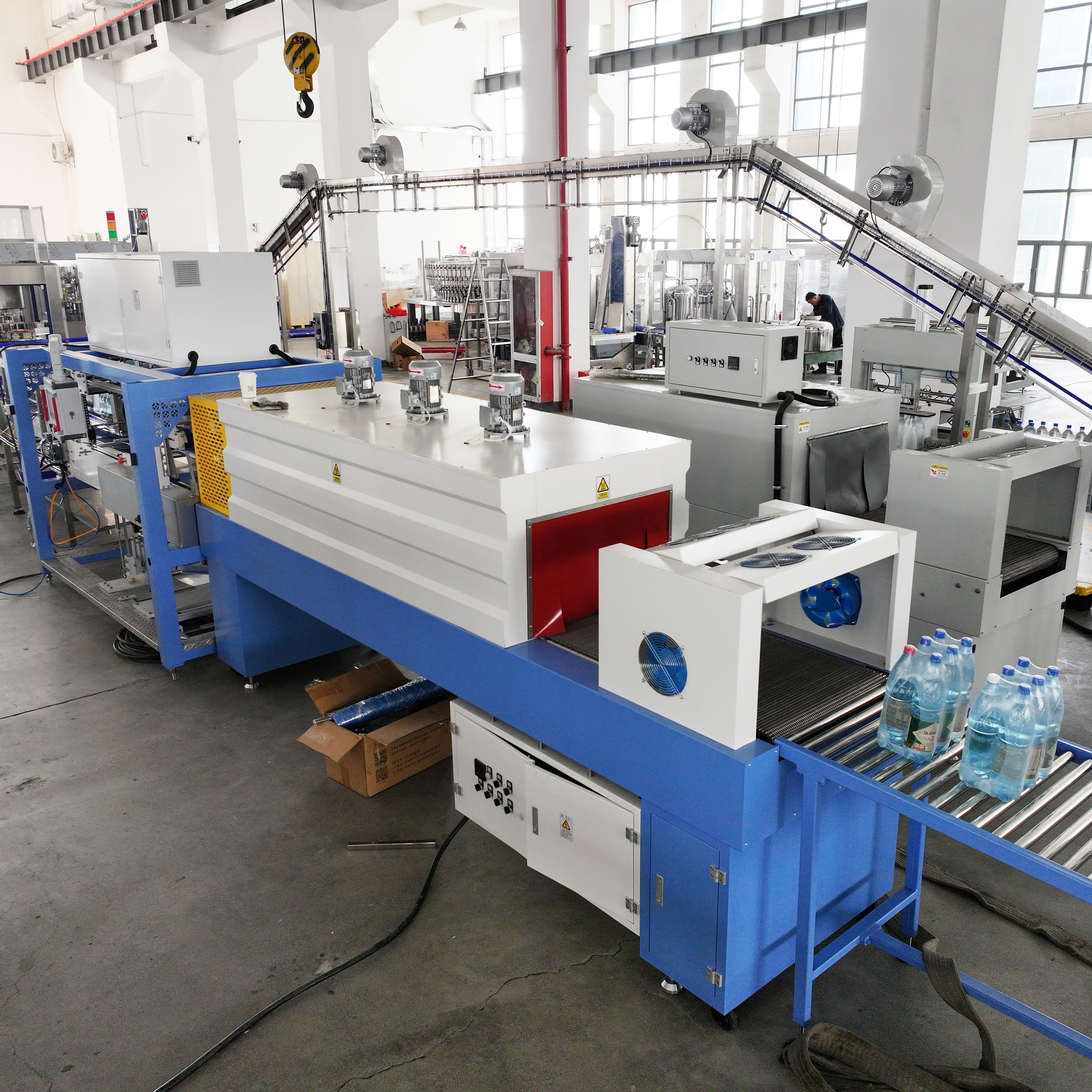
Downstream Packaging Suite: Automatic linear or rotary labeling machines (sleeve or hot-melt glue labels) and automatic shrink-wrapping or carton packing machinery.
Investing in a high-efficiency 3-in-1 monoblock system significantly reduces floor space footprint and eliminates open-air conveyor transit, keeping water completely free from airborne contaminants during dosing.
Step 4: Facility Layout Design and Cleanroom Hygiene Standards
To meet international hygiene standards, the physical floor plan of a small water bottling plant must enforce strict zonal separation between dirty, semi-clean, and ultra-clean operating zones.
-
Raw Materials and Blow Molding Zone: Outer area for storing PET preforms, caps, and operating blow molding machinery.
-
Water Treatment Room: Dedicated, well-ventilated room housing filtration tanks, RO membranes, and water storage buffer tanks.
-
Ultra-Clean Filling Room: The monoblock filler must be housed inside a sealed, positive-pressure cleanroom equipped with HEPA air filtration units. Operators entering this room must pass through air showers and sanitized changing zones to maintain zero microbial ingress.
-
Finished Goods Warehousing: Dry, temperature-controlled storage area for packaged water pallets awaiting distribution.
Step 5: Partnering with Trusted Machinery Manufacturers
Building a sustainable, profitable water bottling plant relies heavily on the technical support, engineering quality, and after-sales service provided by your equipment supplier.
Premier machinery manufacturers like
Strategic Summary for New Plant Operators
Launching a successful small water bottling plant is an achievable and highly lucrative business venture when executed with structured engineering discipline. By prioritizing raw water testing, securing regulatory compliance, choosing high-efficiency monoblock packaging machinery, and designing a hygienic cleanroom layout, new operators build a robust operational foundation for a thriving commercial water bottling business.
 Hot News








