 EN

Extra virgin olive oil (EVOO) is an organic, high-value culinary product that requires meticulous care during packaging. Unlike standard water or carbonated soft drink lines, edible oil possesses unique physical and chemical characteristics: high viscosity variations across operating temperatures, surface tension that leads to stringing and dripping, and an extreme vulnerability to oxidation triggered by atmospheric oxygen and ambient light. Furthermore, premium extra virgin olive oil is almost universally bottled in dark, heavy glass containers (such as Dorica or Marasca glass bottles) to preserve polyphenol integrity.
To handle these sensitive parameters without compromising filling accuracy, operational cleanliness, or shelf life, commercial oil producers require a specialized olive oil filling machine. Standard fluid gravity fillers or piston pumps designed for thin liquids fall far short of the technical demands required for luxury oil packaging.
Analyzing the specialized engineering features, anti-oxidation barriers, and drip-prevention mechanisms reveals what makes a glass bottle olive oil filler suitable for high-end glass bottling lines.
1. Viscosity Control and Precision Anti-Drip Nozzle Engineering
The physical behavior of extra virgin olive oil presents immediate packaging challenges. Because oil possesses high surface tension and temperature-dependent viscosity, liquid tendrils easily form at nozzle tips after valve closure. A single stray drop landing on a glass bottle shoulder or neck ring stains the label, causes outer carton degradation, and creates messy bottle contact surfaces.
A professional olive oil filling machine engineered for premium glass packaging incorporates specialized anti-drip and liquid-snagging technologies:
-
Positive Cut-Off Shut-Off Nozzles: Internal pneumatically driven plunger pins or spring-loaded needle valves close directly at the orifice tip, instantaneously terminating liquid flow without trailing drips.
-
Vacuum Recirculation and Suck-Back Systems: Secondary vacuum channels pull residual oil droplets away from the nozzle mouth back into the main fluid buffer tank after each dosing cycle.
-
Bottom-Up Servo Dosing: Filling nozzles lower deep into the glass bottle and rise in perfect synchronization with the rising liquid level, preventing splashback, wall coating, and aeration.
2. Nitrogen Flushing and Oxidation Prevention (Preserving EVOO Quality)
Exposure to dissolved oxygen during packaging is the leading cause of premature lipid oxidation, rancidity, and organoleptic quality degradation in extra virgin olive oil. Premium glass bottling demands strict oxygen management before, during, and after the liquid dosing step.
A high-performance premium oil packaging equipment suite integrates a multi-stage inert gas blanket protocol:
-
Pre-Fill Nitrogen Purging: Prior to liquid entry, high-purity nitrogen gas is injected into the empty glass container to displace ambient air and oxygen.
-
Sub-Surface Dosing Under Inert Blanket: The glass bottle olive oil filler maintains a continuous nitrogen shroud over the buffer reservoir and around the bottle neck opening during dosing.
-
Post-Fill Headspace Sparging: Before capping, a controlled burst of nitrogen gas displaces any remaining atmospheric oxygen in the bottle neck headspace. This step is critical for protecting the oil's fresh aroma and extending retail shelf life.
Parameter Comparison: Standard Liquid Fillers vs. Premium Olive Oil Packaging Systems
To assist technical managers and procurement directors in evaluating machinery options for glass lines, the following comparison table contrasts basic liquid packaging machinery against an anti-drip oil bottling machine tailored for premium glass containers.
| Engineering & Operational Metric | Standard Liquid Gravity Filler | Olive Oil Filling Machine (Premium Glass Grade) |
| Dosing Accuracy & Technology | Timed gravity / Level overflow (+/- 2%) | Mass Flowmeter (Piston / Servo) (+/- 0.2%) |
| Nozzle Drip Prevention | Basic mechanical flap valve (High drip risk) | Positive pneumatic cut-off + suck-back system |
| Oxidation Protection | None (Atmospheric exposure) | Multi-stage pre & post nitrogen flushing |
| Glass Handling Mechanics | Standard starwheels (Glass breakage risk) | Infeed worms, cushioned pedestals & gentle gripping |
| Hygienic Cleanability (CIP) | Manual washdown | Automated CIP recirculation with sanitary 316L SS |
3. Gentle Glass Container Handling and Mechanical Protection
Glass bottles for extra virgin olive oil—especially square Marasca bottles or custom antique green glass designs—are heavy, rigid, and susceptible to chipping, thermal shock, or scratching if handled improperly on high-speed conveyors.
To ensure pristine glass presentation, an anti-drip oil bottling machine features specialized container transport mechanics:
-
Custom Infeed Timing Screws: High-density polyethylene (HDPE) timing worms separate incoming glass bottles smoothly, delivering them to entry starwheels without glass-on-glass impact noise or mechanical shock.
-
Pneumatic Lift Pedestals with Cushioned Centering Bell Guiders: Spring-cushioned or pneumatic pedestals raise glass bottles to meet filling valves gently, compensating for minor bottom-glass thickness variations without fracturing bottle necks.
-
Soft-Touch Starwheel Pocket Liners: Elastomeric pocket inserts protect bottle body paint, screen-printed logos, and decorative glass embossing throughout the circular carousel transit.
4. Volumetric Precision and Hygienic Construction Standards
Because extra virgin olive oil is sold at high price points per liter, give-away overfilling costs olive oil producers thousands of dollars in lost profit margins, while underfilling leads to regulatory penalties and consumer distrust.
Deploying high-precision premium oil packaging equipment guarantees consistent volumetric accuracy:
-
Magnetic Flowmeters and Mass Flow Dosing: Non-contact electromagnetic or Coriolis mass flowmeters measure exact mass or volume independently of oil temperature changes or viscosity shifts, maintaining fill tolerances within +/- 0.2%.
-
AISI 316L Stainless Steel Fluid Paths: All product-contact components, buffer manifolds, and filling valves are constructed from polished AISI 316L stainless steel with food-grade Viton or PTFE seals resistant to fatty acid corrosion.
Sourcing Enterprise Glass Bottling Solutions from Industry Specialists
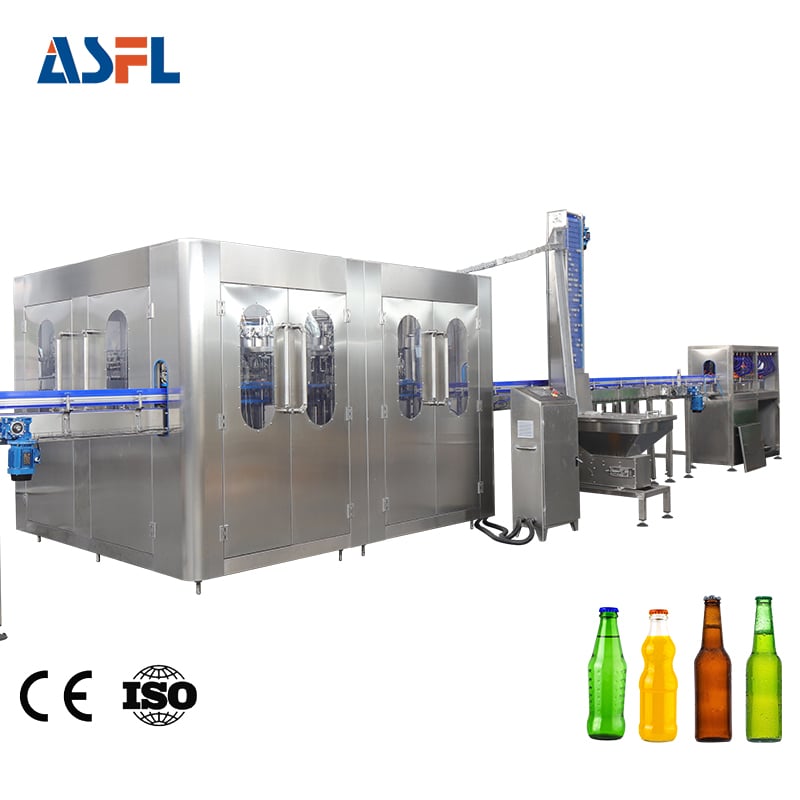
Building a successful olive oil packaging facility requires partnering with experienced equipment manufacturers who understand the nuances of liquid dynamics, hygienic design, and glass container handling. Leading global machinery providers like
By conducting factory acceptance testing (FAT) using actual client glass bottle profiles and olive oil samples, plant engineers verify anti-drip accuracy, nitrogen headspace levels, and capping torque performance before full site installation.
Strategic Value Summary for Premium Olive Oil Producers
Investing in a purpose-built olive oil filling machine is essential for any producer aiming to excel in the competitive luxury glass bottling market. By integrating positive anti-drip nozzles, multi-stage nitrogen flushing, gentle glass transport, and mass flowmeter dosing, olive oil producers safeguard product freshness, eliminate bottle staining, and achieve maximum operational efficiency.

 Hot News








