EN
EN

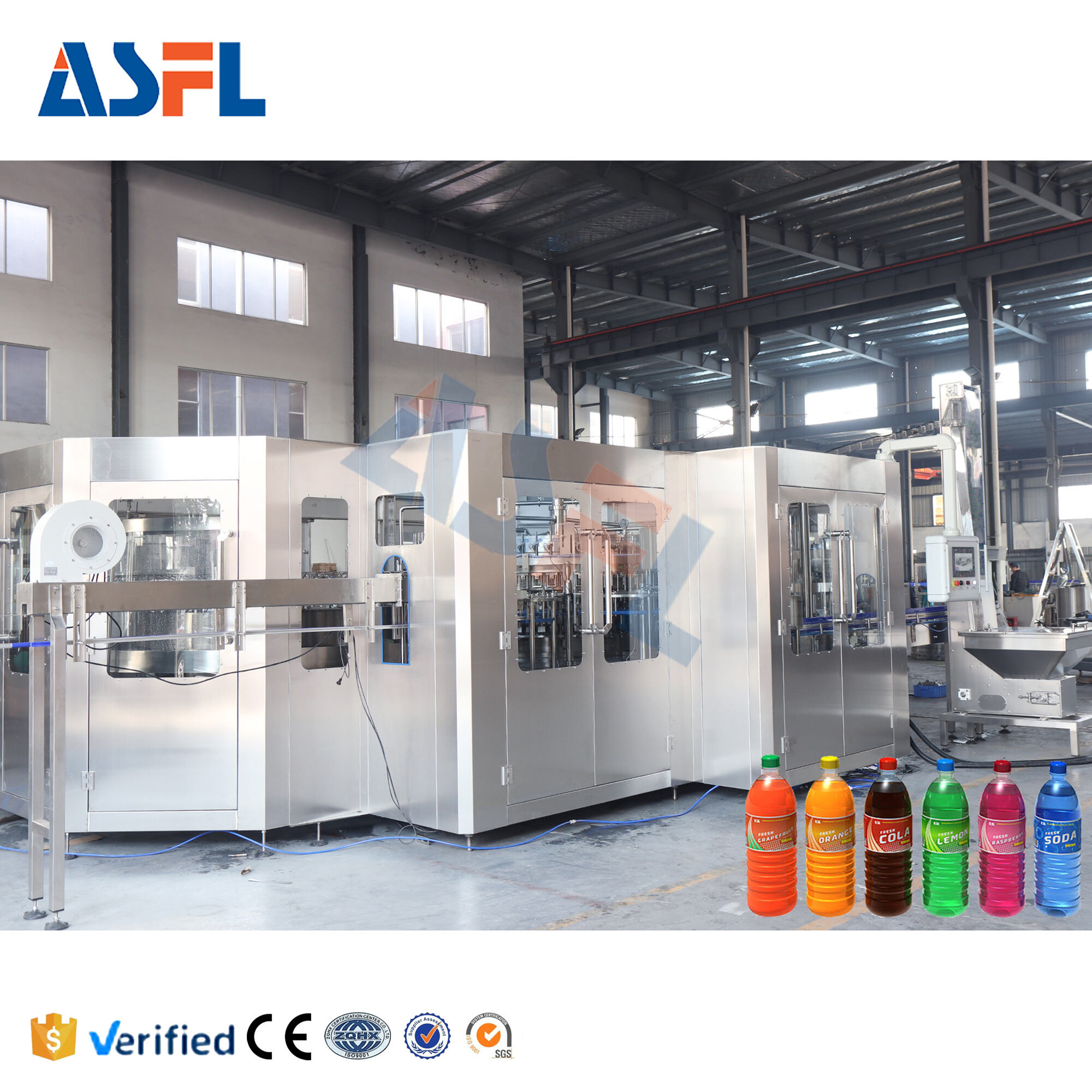
Understanding Sealing Physics in Carbonated Beverage Filling Machines
Carbonation Pressure Dynamics and Their Impact on Seal Integrity
Carbon dioxide (CO₂) pressures of 2.4–3.8 bar (35–55 psi) create unique sealing challenges in carbonated beverage filling machines. Immediate sealing within 100 milliseconds prevents critical CO₂ loss—delays exceeding 500 ms risk over 5% gas escape (Industrial Packaging Research, 2024). Key failure modes include:
- Oxygen ingress: >0.5% v/v residual oxygen accelerates flavor degradation
- Pressure instability: Fluctuations exceeding ±0.2% trigger nucleation and foam-over
- Shelf-life reduction: Each 1% CO₂ loss correlates with a 15-day shelf-life decrease
Material Compatibility: Why EPDM and FKM Seals Dominate High-Pressure Applications
The choice of elastomers makes all the difference when it comes to how well seals hold up against carbonation pressures and those harsh acidic conditions. Most modern carbonated beverage filling equipment relies on either Ethylene Propylene Diene Monomer (EPDM) or Fluorocarbon Rubber (FKM). These materials account for around 89% of what manufacturers install because they can handle pressures over 60 psi, resist chemicals in drinks with pH levels between 2.5 and 4.0, maintain stability from really cold temperatures down to -40 degrees Celsius right up to 150 degrees, and meet the strict FDA 21 CFR 177.2600 standards for food contact. What's particularly impressive about these thermoset polymers is that they show about 40% less compression set compared to silicone options after going through 10,000 pressure cycles. This means fewer tiny leaks develop over time, which helps maintain the seal integrity for much longer periods.
Critical Sealing Components and Maintenance Best Practices for Carbonated Beverage Filling Machines
Gasket Inspection, Replacement Cycles, and Torque Calibration Protocols
Checking gaskets regularly helps stop dangerous CO2 leaks before they happen. Most facilities find that replacing EPDM and FKM seals works best around every six to twelve months, though this depends on how intense the carbonation process is. Acidic solutions below pH 3.5 really speed up seal breakdown, sometimes cutting their lifespan by about 40%. Getting torque right matters a lot actually. Around two thirds of all sealing problems come down to wrong clamp force. That's why many plants now invest in digital torque wrenches for monthly checks. These tools help keep specs between 12 and 15 Nm, which cuts unexpected shutdowns roughly 30% better than old fashioned manual techniques. The time saved alone makes it worth the investment for most operations.
Nozzle and Valve Alignment: Preventing Micro-Leakage Through Precision Engineering
Misaligned filling nozzles create micro-leak paths costing plants $740k annually in product loss (Ponemon, 2023). Implement laser-guided alignment during quarterly maintenance to achieve ±0.1 mm tolerance. Critical alignment parameters include:
| Parameter | Tolerance Threshold | Impact on Leak Rate |
|---|---|---|
| Nozzle-Bottle Vertical Gap | <0.3 mm | Doubles CO₂ retention |
| Valve Seat Angularity | ±0.5° | Prevents foam surge |
| Gasket Compression Uniformity | ±5% variance | Eliminates localized stress cracks |
Realign after every 50,000 cycles using capacitive sensors to detect positional drift. This precision engineering cuts micro-leak incidents by 90% while sustaining 99.8% fill-volume accuracy.
Validating Seal Integrity: Leak Detection, Pressure Testing, and Compliance Standards
Rigorous validation protocols are essential for maintaining seal integrity in carbonated beverage filling machines, where CO₂ retention directly impacts product quality and shelf life. Three core methodologies dominate industry practice:
- Vacuum decay testing, per ASTM F2338-23, detects micro-leaks by monitoring pressure changes in sealed chambers—identifying defects as small as 5 microns with 99.9% accuracy in industrial validations.
- Bubble emission testing submerges pressurized containers in water to visualize leakage paths, serving as a cost-effective solution for rapid production-line checks.
- High-pressure burst testing validates structural resilience by incrementally increasing pressure until seal failure, ensuring gaskets withstand operational extremes.
Following ASTM F2095 standards for package integrity and ISO 22000 requirements for food safety means most facilities need to run validation checks every three months. Plants that have implemented automated pressure monitoring systems report around a 78% drop in product recalls according to industry data. The system works through continuous sensors that detect leaks and connect directly to SCADA networks. When something goes wrong, operators get instant alerts so they can fix problems right away before damaged seals lead to wasted products or worse safety issues. What this setup really does is shift how companies think about seal validation. Instead of just checking boxes during routine inspections, manufacturers now maintain constant oversight as part of their daily operations rather than waiting for problems to arise.
Proactive Quality Assurance: Data Monitoring, Root-Cause Analysis, and Continuous Improvement
Real-Time Pressure/Flow Anomaly Detection and Predictive Maintenance Integration
Today's carbonated drink filling equipment uses IoT sensors to keep track of pressure changes and flow rates every 200 milliseconds. These sensors pick up tiny variations that might signal problems with seals before they become serious issues. If something goes off track by more than plus or minus 5% from normal levels, the system sends out automatic warnings that start investigations into what's going wrong. Common issues found this way include things like old gaskets wearing down or valves not sitting quite right. The smart software behind these systems can actually predict when maintenance will be needed about 92 times out of 100 by looking at all sorts of data points together, which helps factories avoid costly breakdowns and downtime.
| Parameter | Predictive Indicator | Maintenance Impact |
|---|---|---|
| Pressure fluctuations | Seal fatigue or CO₂ leakage risk | Preemptive gasket replacement |
| Flow rate inconsistencies | Nozzle blockage or calibration drift | Valve recalibration cycles |
The closed loop system we've implemented actually uses artificial intelligence on past equipment failures, which has cut down those annoying unexpected shutdowns by almost half according to Packaging Digest from last year. Looking at trends over time shows some interesting stuff too. Take EPDM seals for instance they tend to stick around about 30 percent longer if operators keep line pressure under 2.5 bar during the filling process. When companies start turning those live performance numbers into actual maintenance plans instead of just collecting data, they save money on expensive product recalls and maintain better sealing performance across their production lines. Most plants find this approach pays off pretty quickly once everything gets properly set up.
FAQ
What are the key sealing challenges in carbonated beverage filling machines?
Carbon dioxide pressures create sealing challenges, requiring immediate sealing to prevent CO₂ loss and avoid oxygen ingress, pressure instability, and shelf-life reduction.
Why are EPDM and FKM seals preferred for high-pressure applications?
EPDM and FKM seals are favored for their ability to withstand high pressures, resist acidic conditions, and meet food safety standards, lasting longer with fewer leaks compared to alternatives.
How often should seals be replaced in carbonated beverage filling machines?
Most facilities replace EPDM and FKM seals every six to twelve months, but conditions like acidic solutions can shorten their lifespan.
What methods are used for leak detection in these machines?
Common methods include vacuum decay testing, bubble emission testing, and high-pressure burst testing to ensure seal integrity and meet safety standards.
How does predictive maintenance help improve sealing integrity?
Predictive maintenance uses real-time data from IoT sensors to detect anomalies, allowing for timely interventions and reducing downtime and unexpected breakdowns.
Table of Contents
- Understanding Sealing Physics in Carbonated Beverage Filling Machines
- Critical Sealing Components and Maintenance Best Practices for Carbonated Beverage Filling Machines
- Validating Seal Integrity: Leak Detection, Pressure Testing, and Compliance Standards
- Proactive Quality Assurance: Data Monitoring, Root-Cause Analysis, and Continuous Improvement
-
FAQ
- What are the key sealing challenges in carbonated beverage filling machines?
- Why are EPDM and FKM seals preferred for high-pressure applications?
- How often should seals be replaced in carbonated beverage filling machines?
- What methods are used for leak detection in these machines?
- How does predictive maintenance help improve sealing integrity?