EN
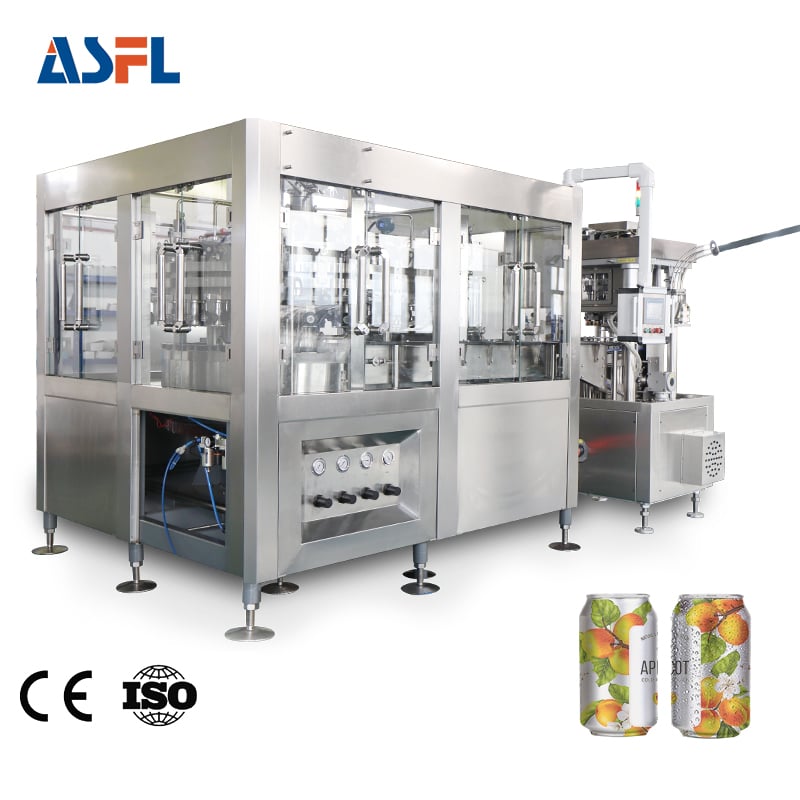
Modern liquid packaging facilities face unprecedented pressure to increase production speed, minimize operational downtime, and eliminate product waste. In high-speed bottling plants, relying on manual monitoring or static mechanical adjustments creates severe bottlenecks and increases human error risks. Integrating intelligent automation into your packaging suite fundamentally changes how plants monitor, adjust, and optimize beverage filling line performance.
As a leading innovator in automated packaging engineering,
Real-Time Closed-Loop Control and Dynamic Volumetric Dosing
Traditional filling equipment relies on static mechanical calibrations set prior to production runs. However, fluid viscosity, ambient factory temperature, and liquid supply pressure fluctuate during multi-shift operations. Advanced intelligent automation introduces continuous closed-loop feedback loops to preserve peak beverage filling line performance.
-
Coriolis Mass Flowmeter Feedback: Smart flowmeters track fluid density and flow velocity in real time. If liquid viscosity shifts due to temperature changes, the central programmable logic controller (PLC) dynamically adjusts nozzle valve open-times in milliseconds, ensuring exact dosing accuracy without stopping the conveyor line.
-
Automated Servo Adjustments: Servo-driven piston actuators receive continuous digital inputs, fine-tuning stroke distances dynamically. This eliminates volume drift and locks volumetric accuracy within +/- 0.2%, dramatically cutting chemical and liquid material giveaway.
-
Self-Optimizing Fill Profiles: Smart systems automatically calculate acceleration and deceleration profiles for dive nozzles based on liquid surface tension, preventing liquid foaming, air entrapment, and costly splashing at high speeds.
Predictive Maintenance and Machine Vision Quality Assurance
Unexpected mechanical breakdowns severely degrade plant efficiency and cause expensive product rejection. Leveraging intelligent automation shifts maintenance paradigms from reactive repairs to predictive optimization, while guaranteeing flawless outgoing package quality.
Predictive Sensor Telemetry
Vibration analysis sensors on drive motors, temperature probes on bearing blocks, and pressure transducers on pneumatic manifolds feed operational data to AI-assisted analytics modules. The system detects early signs of component wear or seal degradation weeks before failure occurs, allowing maintenance teams to schedule planned service during routine CIP cycles.
High-Speed Inline Vision Inspection
Inline optical camera systems inspect every container passing down the high-speed line. Machine vision algorithms verify fill height, check cap torque seating angles, detect skewed tamper-evident rings, and flag missing foil liners at speeds exceeding 12,000 bottles per hour (BPH). Substandard units are automatically diverted via high-speed pneumatic reject pushers without impacting continuous line flow.
System Architecture Comparison: Traditional PLC vs. AI-Driven Smart Automation
Upgrading machine control architecture directly impacts plant agility, changeover speed, and OEE metrics. The table below details key technical differences between conventional automation and dynamic intelligent automation systems for optimizing beverage filling line performance.
| Technical Feature / Metric | Conventional PLC Automation | AI-Driven Intelligent Automation |
| Dosing Adjustment Logic | Manual calibration or periodic operator inputs | Real-time closed-loop dynamic sensor compensation |
| Changeover Time | 45 to 90 minutes (Manual mechanical stops) | Under 10 minutes (One-touch recipe auto-adjustment) |
| Quality Control Method | Manual off-line sampling audits | 100% real-time vision & torque inline inspection |
| Maintenance Strategy | Scheduled preventative / Reactive emergency | Predictive telemetry & early defect alerts |
| OEE Tracking | Manual shift log calculations | Continuous real-time IoT dashboard & analytics |
| Energy & Utility Efficiency | Fixed motor consumption rates | Variable-frequency demand-matched energy control |
Real-World Case Study: Elevating Bottling OEE in Carbonated Beverage Lines
To understand the practical impact of deploying smart control systems, consider an industrial beverage bottling plant producing high-speed sparkling fruit juice lines (15,000 BPH target).
-
The Challenge: The plant suffered from high foaming losses and constant line stoppages during ambient temperature shifts between morning and afternoon shifts. Unplanned downtime averaged 11.4% per week, and manual changeovers between 330 mL glass and 500 mL PET bottles consumed nearly 2 hours per shift.
-
The ACE-FILLING Solution: The line was upgraded with an ACE-FILLING integrated monoblock suite featuring smart servo-driven liquid valves, closed-loop pressure feedback, and recipe-driven motorized changeover guide rails powered by intelligent automation.
-
The Outcome: Automated pressure and flow adjustments completely eliminated temperature-induced foaming. Changeover times dropped from 110 minutes to just 8 minutes, overall equipment effectiveness (OEE) increased by 22.5%, and beverage filling line performance achieved unprecedented stability across all operating shifts.
Compliance, Cybersecurity, and International Engineering Standards
Adopting connected machine architectures requires adherence to stringent digital security and industrial manufacturing standards to protect operations and product safety.
-
ISO 22000 and FDA 21 CFR Part 11 Compliance: Automated data logging records every batch parameter, CIP wash temperature, and fill metric with immutable time stamps, ensuring full trace-and-track compliance for food and beverage safety audits.
-
Industrial Cybersecurity Architecture: Edge-computing gateways use encrypted communication protocols (OPC UA / MQTT with SSL/TLS encryption) to separate local machine control loops from cloud network infrastructure, neutralizing external cyber threats while allowing remote technical support access.
Conclusion
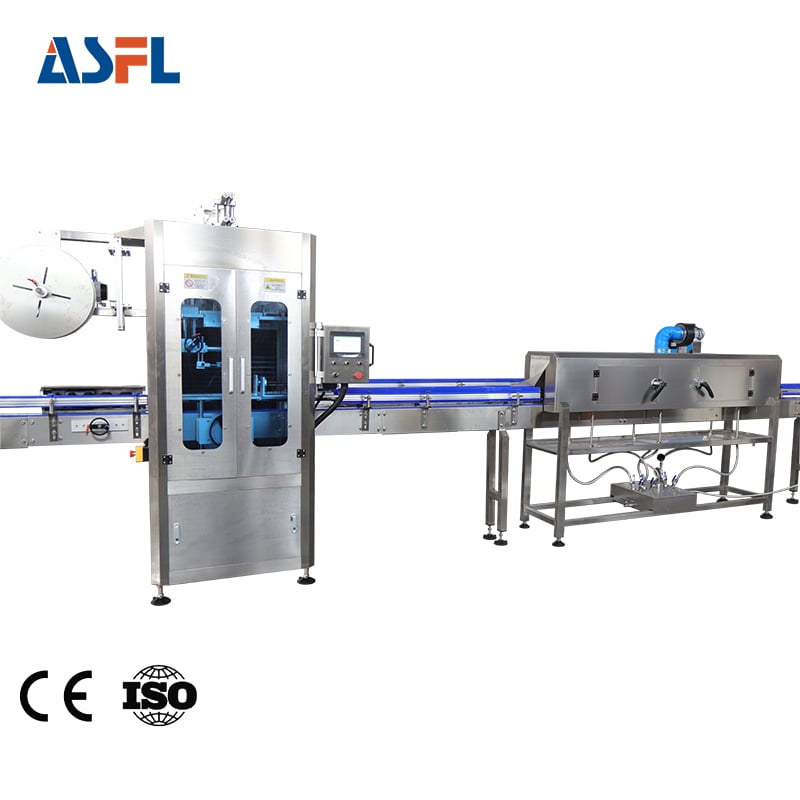
Transitioning to intelligent automation is no longer a luxury for packaging operations—it is a core necessity for maintaining competitive margins, maximizing throughput, and achieving long-term industrial reliability. By integrating dynamic flow controls, predictive maintenance sensors, and automated vision inspection, plant managers can significantly boost overall beverage filling line performance. To discover how advanced smart packaging machinery can modernize your plant floor, visit
 Hot News