EN
EN

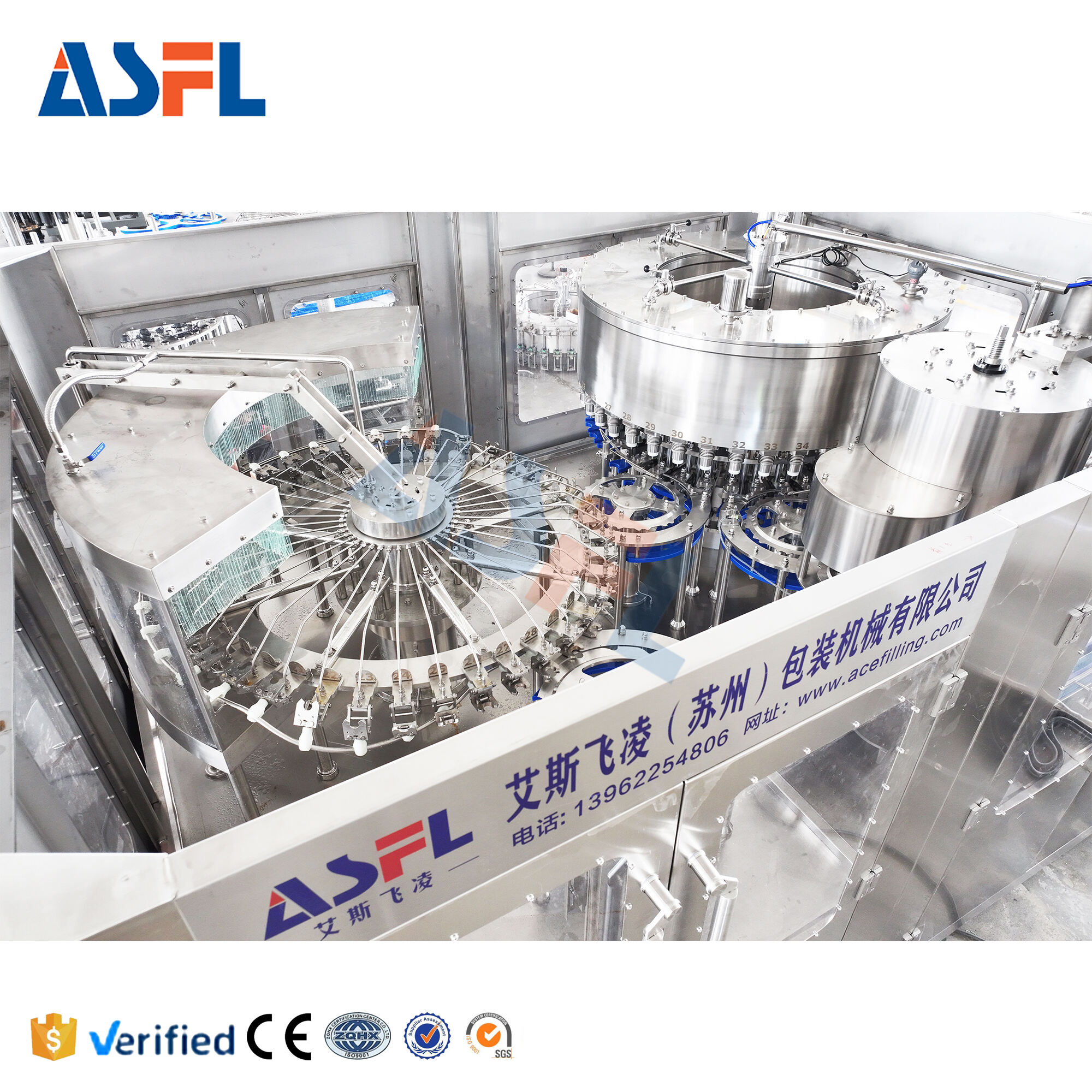
Linganisha Teknolojia ya Kujaza na Aina ya Maji Yako na Kiasi cha Uzalishaji
Uelewa wa Kujaza kwa Kutumia Ukuaji wa Msimu, Ukuaji wa Shinikizo sawa, na Kujaza kwa Piston: Utekelezaji Bora zaidi kwa Maji ya Kaa, Maji ya Kuwa na Kaboni, au Maji ya Kazi
Mbinu ya kuzima yanayofaa sana inategemea kwa kiasi kikubwa aina ya bidhaa tunayoyashughulikia, zaidi ya tu kiasi gani kinachozimwa. Mifumo ya kuzima kwa kutumia nguvu ya uvujinga inafanya kazi nzuri kwa maji ya kawaida ya kimya kwa sababu inaruhusu nguvu ya uvujinga ifanye kazi yote kupitia mifupa rahisi ya kuzima. Yanatendeka kwa gharama ndogo, haitaji usafi mara kwa mara, na kwa ujumla huendelea kufanya kazi siku baada ya siku. Kwa vinywaji vya kaboni kama vile sodi au seltza, kuzima kwa shinikizo sawa (isobaric) inafaa zaidi. Taratibu hii inasawazisha shinikizo cha CO2 ndani ya chombo kabla ya kuzima, kwa hiyo tunavoid kuacha uchafu wa gesi huo muhimu wa kaboni na kudumisha kiwango cha kaboni kikamilifu katika mzunguko wote wa uzalishaji. Kwa maji maalum yanayojazwa na vitu vingine kama vile vitamini, elektroliti, au vichipu vilivyotiririka ndani, hakuna mfumo wa kuzima unaozidi mfumo wa piston. Namna ambavyo mashine haya huhamisha maji ndani ya vichombo kwa njia ya kiufundi inamaanisha wanaweza kushughulikia visingilio vya kuchanganya na vinywaji vya ukuu tofauti bila kuzimika. Majaribio ya sekta kutoka mwaka jana yalionyesha kwamba mfumo huu wa piston ulifika kwenye kiwango cha usahihi cha 99.2% hata wakati wa kushughulikia mikakati ya ukuu zaidi. Basi chagua mfumo unaofaa kwa kazi iliyopo kulingana na kitu kinachowekwa ndani ya chombo hicho.
- Maji ya kimya : Mifumo ya uvujinga—gharama ya uendeshaji chini zaidi na muda mfupi zaidi wa kuanzisha
- Maji yenye kaboni : Teknolojia ya isobariki—inahifadhi uchafu wa kaboni na utambulisho wa muda wa maisha ya bidhaa
- Maji ya kazi : Vifungo vya pistoni—vinapima kwa uaminifu mikakati inayotumika kwa vitu vya kuvutia au vinavyomzima vitu vya kuvutia
Kwa Nini Vifungo vya Uvujinga Vinadamu Kufikia Uanzishwaji: Sababu za Kibinafsi kwa Uendeshaji wa <500 bph
Wengi wa biashara mpya yanayoproduka chupa chini ya 500 kwa saa hujitumia mashine za kujaza maji zenye mfumo wa uvukivu wa graviti, ambazo zinachukua takriban asilimia 78 ya sehemu hii maalum ya soko. Kwa nini? Kuna sababu kadhaa nzuri za mtazamo huu. Kwanza, gharama ya awali ya mashine hizi ni chini ya takriban asilimia 62 kuliko ya zile zenye mfumo wa shinikizo sawa (isobaric). Mafunzo ya wafanyikazi huachilia muda mdogo sana kwa sababu wafanyikazi hawahitaji ujuzi maalum. Gharama za usambazaji pia zinatoa hadithi nyingine – usambazaji wa kawaida unahesabika kuwa dola 15 kwa saa kulingana na takriban dola 45 kwa mfumo wenye shinikizo. Pia, muundo wa kubadilishana (modular) unamaanisha kwamba mashirika yanaweza kuhusisha rahisi vifaa vingine kama vile vifaa vya kufunga au kuchapisha lebo wakati mahitaji ya uzalishaji huongezeka. Biashara mpya zenye uwezo huu wa uzalishaji kwa kawaida hupata faida ya uwekezaji wao haraka zaidi kuliko chaguo lingine, mara nyingi kufikia uhakika wa bei (break-even) ndani ya miezi minne kwa takriban. Hii inafanya mashine za kujaza kwa graviti kuwa chaguo bora kwa wahusika wanaotafuta kupunguza kiasi cha uwekezaji wa awali bila kudhoofisha uwezo wa ubunifu wa muda mrefu.
Chagua Kiwango cha Kutomatikishwa Cha Uthibitisho kwa Kuongezeka Kwa Ukubwa
Mashine za Kujaza Maji ya Mikono, ya Njia ya Nusu-Tomatiki, na ya Tomatiki Kabisa: Viwango vya ROI kulingana na Utengano wa Mwezi
Unapokuwa kuhusu utawala wa kiotomatiki, biashara zinahitaji kufanya mfumo wao ukilinganishwe na yale yanayoweza kufanyika kweli badala ya kufuata malengo ya juu. Mifumo ya kila siku inayotumika kwa mikono inafanya kazi vizuri kwa mizigo mdogo chini ya vitabu 5,000 kwa mwezi, ingawa kuongeza ukuwepo ni changamoto kubwa kwa sababu ya kazi nyingi za mikono na tofauti zinazotokana na hayo. Mifumo ya kisasa ya kusonga kwa nishati ya sehemu (semi-automatic) inaondoa njia ya kati kwa makampuni mapya inayolenga kuzalisha vitabu 5,000 hadi 20,000 kwa mwezi. Mifumo hii inapunguza idadi ya wafanyakazi kwa takriban asilimia 40, inafanya uzalishaji kuwa wa kudai zaidi kila siku, na bado inaruhusu nafasi ya kubadilisha mambo wakati soko linajaribu bidhaa. Utawala kamili unafanya maana mara tu uzalishaji unapofikia zaidi ya vitabu 20,000 kwa mwezi, lakini gharama za awali na usanidi wa kuchanganywa mara nyingi haukufanya maana ya kifedha wakati usoni bado haupatikani kwa uhakika. Makampuni mpya zaidi ya wote yanaona kwamba mifumo ya kisasa ya kusonga kwa nishati ya sehemu inatoa usawa bora zaidi kati ya kupata pesa mbali tena kwa muda wa miezi 12 hadi 18 na kushinda uwezo wa kubadilika kama ilivyohitajika.
Ufunguo wa Uwezekano wa Kujumuisha: Jinsi ya Mifumo ya Kujaza Maji ya Kusonga Kwa Njia ya Kisasa ya Kusonga Kwa Muda Mfupi Inavyoharakisha Uzalishaji wa Fedha Mwaka 1–2
Mifumo ya kusonga kwa nusu-kiwango inasaidia kwa kweli mashirika kuongezeka hatua kwa hatua kwa sababu yanatoa vifungo vya kujumuisha vilivyoundwa kwa kazi maalum. Kampuni ya kwanza inaweza kuanza na vifaa tu vya kuzima kwa msingi, halafu baadaye kuongeza vitu kama vile vifungo vya kufunga au vifungo vya kupakia lebo wakati waagizo wao wanaanza kuongezeka na pesa zinapofika. Mbinu hii ya kufanya kwa hatua huweza kuhifadhi kati ya asilimia 30 hadi 50 ya gharama za awali kuliko kuanza moja kwa moja na mifumo ya kusonga kwa kiwango cha juu kabisa kutoka siku ya kwanza. Na sehemu bora zaidi? Milango inabaki iyo ya kuvuruga kwa ukuaji mkubwa zaidi baadaye. Wakati mashirika hayajishughulie kwa pesa nyingi mno kwa utawala wa kisasa wa kisasa mapema sana, hufikia mtiririko wa pesa chanya haraka zaidi na wanaweza kuitumia pesa iliyohifadhiwa kwa kupata wateja wapya na kujenga uwepo wa jina la kampuni yao. Pia, kuboresha sehemu binafsi badala ya kubadilisha mifumo yote inamaanisha gharama za uendeshaji hupungua takriban asilimia 35 wakati wa mwaka wa pili wa uendeshaji. Kwa mashirika yanayopanda yanayotaka kukuza bila kugawanya benki, mifumo hii ya kusonga kwa nusu-kiwango mara nyingi inawakilisha mbinu bora ya kuchangia leo.
Tathmini ya Kweli ya Jumla ya Gharama ya Umeni (TCO) kwa Mabudjeti ya Miradi ya Kuanza
Zaidi ya Bei ya Ununuzi: Uwekaji, Umeme na Maji, Utambulisho wa Usafi, na Uhamisho wa Vikwazo vya Mabadiliko
Kile kinachotolewa kwenye lebo ya bei ya mashine ya kujaza maji ni tu kuchunguza uso tu wa gharama halisi zinazotumika. Unapogundua gharama jumla ya uendeshaji (TCO), kuna sehemu nyingi ambazo watu mara nyingi huzingatia kabisa. Kwanza, tuna gharama za usanidi ambazo zinajumuisha mambo kama vile kazi za umeme, mabadiliko ya mfumo wa maji, na kufanya mahali pataji tayari kwa uendeshaji. Kisha kuna mambo yanayoweza kudumisha mfumo kila siku – mfumo wa kufiltrisha, mahitaji ya hewa iliyopandwa shinikani, na matumizi yote ya nishati yanazidisha haraka sana. Usisahau pia mahitaji ya usafi. Viwanja vya utafiti vinahitaji kufanya majaribio kila wakati, kuhifadhi rekodi zinazohitajika, na kuwa tayari kwa ukaguzi wowote wakati wowote. Na hebu tuzungumzie pia sehemu za kubadilisha. Kupata sehemu za kubadilisha mara nyingi inachukua muda mrefu sana, kwa hivyo makampuni huweka magazini ya sehemu muhimu kwa ajili ya kuepuka kukatwa kwa uzalishaji. Ukipita tu moja ya mambo haya, mapango ya bajeti yataanguka kwenye chombo, bila kuzingatia maugumu ya zaidi yanayoweza kutokana na sheria zinazosimamia jambo hilo mpaka vitu vyote vikasambazwe kwa usahihi.
| Sababu ya Gharama | Kipenyo cha Uathiri wa Kuanzisha | Matukio Mapana |
|---|---|---|
| Uwekaji na Mwanzo | 15–25% ya bei ya msingi | Mabadiliko ya mahali, mafundisho, uunganisho wa vituo vya umeme na maji |
| Vituo vya Umeme (kwa kila 1000 za mizigo) | $1.8–$2.5 | Kupakana kwa mfumo wa kufiltriria, hitaji la hewa iliyopakana, uchimbaji wa nishati |
| Uthibitisho wa Usafi | Kila robo ya mwaka $1.2k–$5k | Uchunguzi wa makumbusho ya nje, udhibiti wa wasifu wa FDA/NSF |
| Hifadhi ya vipengele vya mbadala | 8–12% ya CAPEX | Muda wa kuleta vifungo, vifumo vya kuvuta, na sehemu za mchakato |
Mashine za kubadilishana zinahakikisha usimamizi bora wa gharama ya jumla (TCO)—vifungo vya kawaida vinapunguza ufanisi wa kusakinisha, sehemu zinazotumika kwa pamoja zinapunguza gharama za sehemu za kubadilisha, na mpangilio unaoweza kuzididi unapunguza kutoa viwango vya mafuta na maji kwa wingi. Uchambuzi mkakati wa TCO unaofanywa mapema unahindua mabadiliko ya gharama kati ya mzunguko na hakikisha kuwa maamuzi ya kununua yanajitokeza katika ukweli wa uendeshaji wa muda mrefu.
Hakikisha Mazingira ya Kuanzisha na Mahitaji ya Msaada
Orodha ya vitendo kabla ya kusakinisha: Mpangilio wa mahali, Uwezekano wa kufanana na kikomo cha kuvuta, na Utekelezaji wa Sheria za Ubora wa Maji
Unajiandaa kuanzisha mashine ya kujaza maji? Kuna mambo matatu muhimu ya kuangalia kwanza ili tusipate ucheleweshaji au matatizo na kanuni baadaye. Tuanze na mahali ambapo mashine itaenda. Hakikisha kuna angalau inchi 18 hadi 24 za nafasi wazi kuzunguka pande zote. Hii inawapa wafanyakazi wa kusafisha nafasi ya kufanya kazi vizuri, inaruhusu mafundi kufanya kazi za matengenezo, na hurahisisha kupeleka huduma kama vile mabomba na nyaya za umeme bila matatizo ya msongamano. Kinachofuata ni kuhakikisha chupa zinatoshea vizuri. Chukua vyombo vinavyotumika mara nyingi, labda vile vyenye ukubwa wa shingo wa 28mm au 38mm, na uvijaribu kulingana na jinsi kijazaji kinavyoziba vitu. Vinapotofautiana, husababisha takriban theluthi moja ya kusimama kwa mistari mipya ya uzalishaji inapoanza kufanya kazi. Mwishowe, ubora wa maji pia ni muhimu sana. Sehemu zote zinazogusana na maji zinahitaji cheti cha NSF/ANSI 61. Muhimu pia ni kuwa na rekodi zinazoonyesha vipimo vya kawaida vya viwango vya pH na wingu kabla ya kuchujwa. Nyaraka hizi zinapaswa kuwa rahisi kupatikana wakati wa ukaguzi. Makampuni ambayo hufanya ukaguzi huu wote huwa yanaweka mashine zao kwa wiki 3 hadi 5 haraka kuliko mengine na mara chache hukumbana na matatizo yasiyotarajiwa wakati wa ukaguzi wa FDA.
Sehemu ya Maswali yanayotofikiwa
Njia bora ya kujaza maji ya kimya ni ipi?
Mifumo ya uvujaji ni ya kipekee kwa ajili ya maji ya kimya kwa sababu ya gharama ya uendeshaji chini na wakati mfupi wa kuanzisha.
Kwa nini mifumo ya uvujaji inapendwa sana na mashirika ya kwanza yenye uendeshaji wa chini ya 500 bidhaa kwa saa?
Mifumo ya uvujaji inapendwa sana na mashirika ya kwanza kwa sababu ina gharama ya awali chini, inahitaji mafunzo machache tu, na ina gharama za usimamizi chini, ikawa chaguo cha kifedha kilichofaa.
Kwenye kiwango gani cha uzalishaji biashara inapaswa kufikiria kuhusisha mifumo ya kujaza maji ya kikamilifu ya kiotomatiki?
Biashara inapaswa kufikiria kuhusisha mifumo ya kujaza maji ya kikamilifu ya kiotomatiki unapokuwa uzalishaji umepita zaidi ya vibukio 20,000 kwa mwezi.
Gharama za ziada zipi zinapaswa kuchukuliwa katika kununua mifumo ya kujaza maji?
Pamoja na bei ya kununua, biashara inapaswa kuchukulia gharama za kuanzisha, mawasiliano ya umeme na maji, uthibitisho wa usafi, na uhandlarishaji wa sehemu za kubadilisha kama sehemu ya jumla ya gharama ya ubunifu.
Orodha ya Maudhui
- Linganisha Teknolojia ya Kujaza na Aina ya Maji Yako na Kiasi cha Uzalishaji
- Chagua Kiwango cha Kutomatikishwa Cha Uthibitisho kwa Kuongezeka Kwa Ukubwa
- Tathmini ya Kweli ya Jumla ya Gharama ya Umeni (TCO) kwa Mabudjeti ya Miradi ya Kuanza
- Hakikisha Mazingira ya Kuanzisha na Mahitaji ya Msaada
-
Sehemu ya Maswali yanayotofikiwa
- Njia bora ya kujaza maji ya kimya ni ipi?
- Kwa nini mifumo ya uvujaji inapendwa sana na mashirika ya kwanza yenye uendeshaji wa chini ya 500 bidhaa kwa saa?
- Kwenye kiwango gani cha uzalishaji biashara inapaswa kufikiria kuhusisha mifumo ya kujaza maji ya kikamilifu ya kiotomatiki?
- Gharama za ziada zipi zinapaswa kuchukuliwa katika kununua mifumo ya kujaza maji?