EN
EN

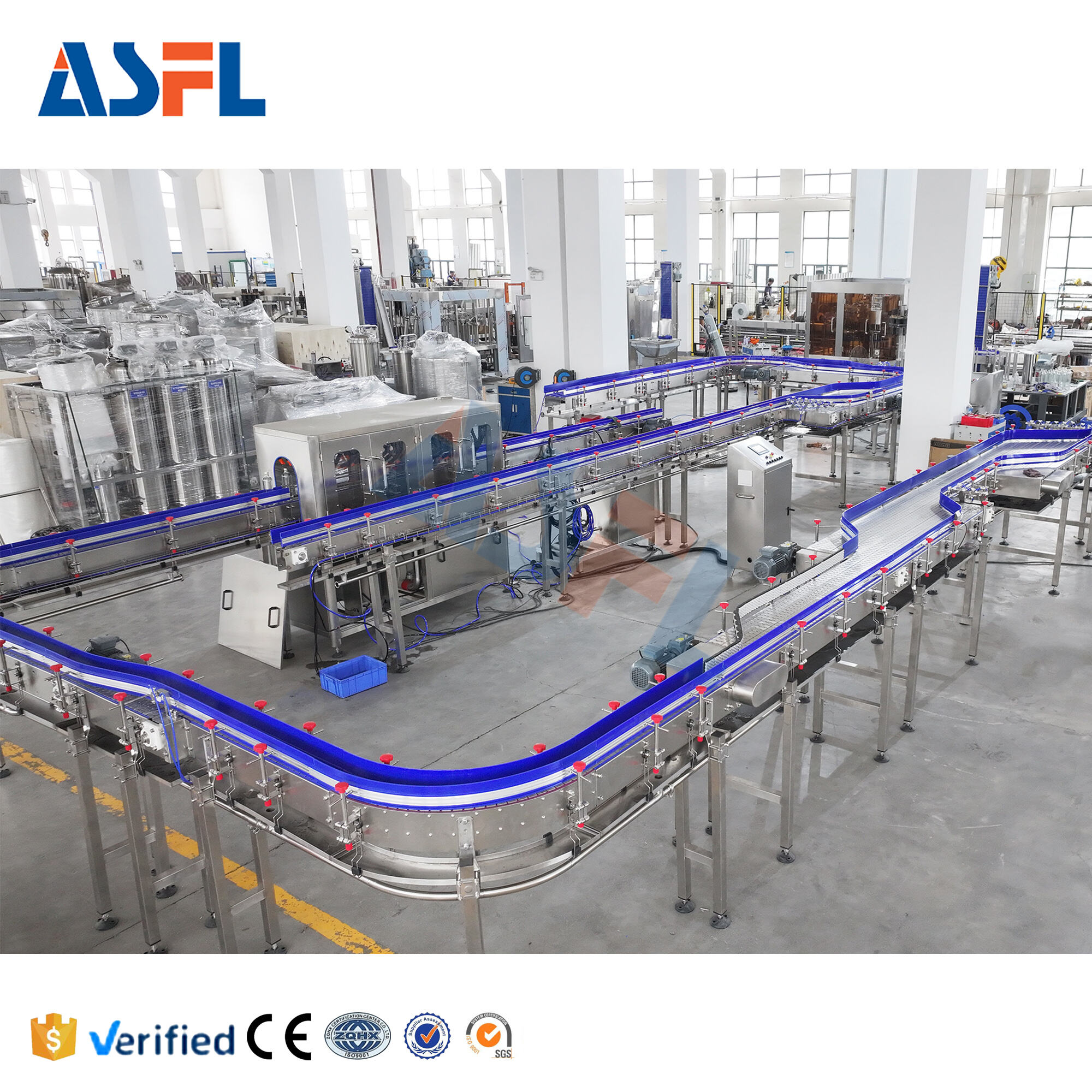
Ակտիվ սպասարկման ծրագրեր՝ ըմպելիքների լցման մեքենայի աշխատաժամերի մաքսիմալացման համար
Ինչպես կանխատեսող վերլուծությունը կանխում է անսպասելի կանգավորումները բարձր արագությամբ գծերում
Նախատեսվող վերլուծությունը փոխում է սպասարկման աշխատանքի ձևը՝ այն տեղափոխելով այն բանից, որը տեղի է ունենում խնդիրների առաջացումից հետո, դեպի այն բանը, որի մասին կարող ենք նախապես պլանավորել: Համակարգը ամբողջ օրվա ընթացքում հսկում է կարևոր գործոններ, ինչպես օրինակ՝ տատանումների մակարդակը, ջերմաստիճանի ցուցմունքները, ճնշման փոփոխությունները և շարժիչի հոսանքը այդ ըմպելիքների լցման մեքենաներում: Այս սենսորները հայտնաբերում են փոքր խնդիրներ այն պահից շատ ավելի վաղ, քան որևէ մեկը կարող է դրանք տեսողականորեն նկատել, օրինակ՝ սեղմանիչների աստիճանաբար քայքայվելը կամ սայլակների անսովոր շարժումը: Երբ այս վաղ զգուշացման նշանները հայտնվում են, տեխնիկները կարող են վերանորոգել բաները սովորական սպասարկման ժամանակահատվածներում՝ այն փաստի սպասելու փոխարեն, որ մեքենան հանկարծ կանգնի աշխատանքի մեջ շիֆտի ընթացքում: Այն արտադրամասերի համար, որոնք շահագործում են բարձր արագությամբ արտադրական գծեր, որտեղ յուրաքանչյուր րոպեն կարևոր է, սա մեծ տարբերություն է ստեղծում: Այն գործարանները, որոնք ներդրել են այս նախատեսվող համակարգերը, սովորաբար տեսնում են անսպասելի կանգավորումների 25–30 տոկոսային նվազում և համեմատած հին՝ ռեակտիվ մեթոդների հետ, կարողանում են խնայել մոտավորապես 20 տոկոս վերանորոգման ծախսերում: Ինտելեկտուալ ալգորիթմները վերլուծում են բաղադրիչների մաշվելու օրինակները՝ օգտագործելով իրական ժամանակում ստացվող տվյալների հոսքերը, այնպես որ մասերը փոխարինվում են ճիշտ այն պահին, երբ դրանք անհրաժեշտ են, առանց խաթարելու արտադրական գրաֆիկները կամ վտանգելու կարգավորող մարմինների կողմից սահմանված անվտանգության ստանդարտները:
Տեխնիկական սպասարկման գրաֆիկի օպտիմալացում. Օրական ստուգումներ, ամսական կալիբրումներ և տարեկան վերանորոգումներ
Մակարդակային, ժամանակի վրա հիմնված տեխնիկական սպասարկման գրաֆիկը երաշխավորում է ըմպելիքների լցման մեքենայի ամբողջ շահագործման ժամանակահատվածում հաստատուն աշխատանքային ցուցանիշների ստացումը.
- Օրական աշխատանքներ : Ստուգել սեղմանի մասերի ճաքերը կամ ձևափոխումը, մաքրել լցման սեղանները՝ խցանումների կանխարգելման համար, և ստուգել տրանսպորտյորի համաչափությունը՝ սխալ լցման և տարաների վնասվածքների կանխարգելման համար.
- Ամսական ընթացակարգեր : Կալիբրել ծավալի սենսորները ±0.5 % ճշգրտությամբ և ստուգել կափարիչների պտտման մոմենտի համաստեղությունը՝ ապահովելու ապրանքի ամբողջականությունն ու պահպանման ժամկետի պահանջների կատարումը.
- Տարեկան վերանորոգումներ : Փոխարինել մաշվող բաղադրիչները՝ ներառյալ սեղմանի մասերը, O-օղակները, փականները և շարժիչի ժապավենները, ինչպես նաև կատարել էլեկտրական համակարգի լիարժեք ստուգումը, ներառյալ հողավորման և մեկուսացման դիմադրության փորձարկումը.
Սարքավորումները երկար են ծառայում, եթե դրանք ճիշտ սպասարկվում են. սովորաբար սա ավելացնում է հինգից ութ տարի ավելի երկար ծառայության ժամկետ՝ միաժամանակ տարեկան աշխատաժամերի ավելացմամբ մոտավորապես 15–20 տոկոսով: Այն գործարանները, որոնք վարում են իրենց սպասարկման ռեժիմների վերահսկողությունը, սովորաբար արձանագրում են մոտավորապես 40 տոկոսով պակաս անսպասելի ավարիաներ, քան այն գործարանները, որոնք չեն վարում ճիշտ սպասարկման գրառումներ: ՀՄԻ (HMI) կամ ԿՄՄՍ (CMMS) համակարգերի միջոցով ավտոմատ ստեղծված թվային մատյանները օգնում են վերահսկել բոլոր այն տեսակի տվյալները, որոնք անհրաժեշտ են սննդի անվտանգության ստանդարտներին՝ օրինակ, FDA-ի 21 CFR մաս 11 կանոնակարգերին համապատասխանելու համար: Սարքավորումների պարբերաբար կատարվող կալիբրման և ճշգրտման աշխատանքները նվազեցնում են էներգիայի սպառումը մոտավորապես 12–18 տոկոսով, քանի որ բոլոր այդ շարժիչները, պոմպերը և այլ շարժվող մասերը ավելի լավ են աշխատում, երբ դրանք գործում են իրենց առավելագույն արդյունավետության մակարդակում, այլ ոչ թե մեխանիկական անհամապատասխանությունների դեմ պայքարելիս:
Իրական ժամանակում տեխնիկական աջակցություն և հեռավար ախտորոշում ըմպելիքների լցման սարքավորումների խափանումների համար
MTTR-ի (վերանորոգման միջին ժամանակի) նվազեցումը անհրաժեշտ է ըմպելիքների արտադրության մեջ, որտեղ պլանավարված չլինելու պատճառով գծի կանգերը արժեն ժամում 10 000 ԱՄՆ դոլարից ավելի: Տեխնիկական աջակցության մակարդակավորված մոդելը արագացնում է խնդիրների լուծումը՝ օգտագործելով հստակ բարձրացման ճանապարհներ և ապահով հեռակառավարման հնարավորություններ.
- 1 մակարդակ օպերատորները լուծում են սովորական խափանումների մոտավորապես 30%-ը՝ օգտագործելով համատեքստային HMI նախազգուշացումներ և ներդրված խնդիրների լուծման օգնականներ, օրինակ՝ սենսորների սխալ կարդացում կամ փոքր արգելակումներ:
- ՄԱԿԱՐԴԱԿ 2 սերտիֆիկացված հեռակառավարման տեխնիկները մեքենայի ախտորոշման տվյալներին մուտք են գործում գաղտնագրված, զրոյական վստահության VPN միացումների միջոցով՝ հարմարեցնելով ծրագրային պարամետրերը, վերակարգավորելով սենսորները կամ թարմացնելով ֆիրմվերը՝ առանց վայրում այցելության լուծելով ոչ մեխանիկական խնդիրների 65%-ը:
- ՄԱԿԱՐԴԱԿ 3 վայրում աշխատող մասնագետները մեկնում են միայն այն դեպքում, երբ անհրաժեշտ է ֆիզիկական միջամտություն, օրինակ՝ մաշված կամերային հետևորդների փոխարինում կամ լցնող գլխիկների վերակառուցում՝ նվազեցնելով անհրաժեշտ չլինելու պատճառով կատարվող ճանապարհորդությունները և արագացնելով բարդ վերանորոգումները:
Այս կառուցվածքավորված պատասխանը 40%-ով կրճատում է միջին MTTR-ը համեմատության մեջ ավանդական ուղարկման մոդելների հետ, պահպանելով արտադրության անընդհատությունը և նվազեցնելով աջակցության ծախսերը:
Ստրատեգիական պահեստային մասերի կառավարումը ընդհանուր հորդալու մեքենաների հավաստիացման համար
Երբ մեքենաները անսպասելիորեն դադարում են աշխատել, ըմպելիքների արտադրողները մեկ տարվա ընթացքում միջինում կորցնում են մոտ 740 հազար դոլար։ Այդ պատճառով էլ շահագործման ընթացքում անհրաժեշտ պահեստամասերի առկայությունը այնքան կարևոր է արտադրական գործընթացների անխափան ընթացքի համար։ Այսօր շատ ընկերություններ իրենց հիմնական արտադրական համալիրների մոտ պահում են կրիտիկական բաղադրիչներ, ինչպես օրինակ՝ լցման փականները, այդ հատուկ ճշգրտությամբ պատրաստված սեղմանի մասերը, սերվոշարժիչներով վարվող տրանսպորտյորային համակարգերը և այդ PLC մուտք/ելքի քարտերը։ Տարածաշրջանային պահեստավայրերի գտնվելու շնորհիվ այս անհրաժեշտ մասերը հողային տրանսպորտով մեկ օրվա ընթացքում կարող են հասնել մեծամասնության արտադրական օբյեկտներին։ Այս մոտեցումը զգալիորեն նվազեցնում է արտադրական դադարների տևողությունը՝ մոտ երկու երրորդով պակաս, քան ավանդական կենտրոնացված պահեստավայրերի մեթոդների դեպքում։ Այս ֆիզիկական պատրաստվածության կողքին ինտելեկտուալ համակարգերը մեքենաներից իրական ժամանակում ստացվող տվյալները վերլուծում են՝ ներառյալ այն, թե քանի ցիկլ է անցել յուրաքանչյուր մեքենան, տարբեր կետերում ճնշման տարբերությունները և մեքենայի միջով անցնող նյութերի պատճառով առաջացած մաշվածության օրինակները։ Այս կանխատեսող մոդելները վերլուծում են անցյալում գրանցված ավարիաների մակարդակը, ընթացիկ արտադրական պահանջները և նույնիսկ եղանակային գործոնները՝ որոշելու համար, երբ պետք է վերապատվիրել մասերը։ Ի՞նչ է ստացվում արդյունքում. Արտադրական համալիրները գրեթե անընդհատ աշխատում են՝ շատ քիչ ընդհատումներով, միաժամանակ խուսափելով այն խնդրից, որ ավելցուկային պահեստամասեր են գնվում, որոնք բավարար հաճախականությամբ չեն օգտագործվում։
Օպերատորների և սպասարկման վերապատրաստում՝ ստեղծված ընկերության համար ընկերության համար ընկերության համար ընկերության համար ընկերության համար ընկերության համար ընկերության համար ընկերության համար ընկերության համար ընկերության համար ընկերության համար ընկերության համար ընկերության համար ընկերության համար ընկերության համար ընկերության համար ընկերության համար ընկերության համար ընկերության համար ընկերության համար ընկերության համար ընկերության համար ընկերության համար ընկերության համար ընկերության համար ընկերության համար ընկերության համար ընկերության համար ընկ......
Պատշաճ կերպով պատրաստված անձնակազմի մեջ ներդրումներ կատարելը սարքավորումների ներդրումներից հուսալի արդյունքներ ստանալու լավագույն միջոցներից մեկն է։ Երբ աշխատողները անցնում են ստանդարտ վերապատրաստման ծրագրեր, որոնք իրականացվում են տարբեր հերթափոխներով, խմիչքներ լցնելու համար օգտագործվող մեքենաները, որպես կանոն, ծառայում են մոտ 35%-ով ավելի երկար, նախքան խոշոր վերանորոգման կարիք ունենալը։ Վերապատրաստման մոդուլները կենտրոնանում են այն կարևոր հիգիենիկ խնդիրների վրա, որոնք բոլորը գիտեն, որ կարևոր են, բայց հաճախ շտապողականորեն կատարվում են՝ այնպիսի բաներ, ինչպիսիք են տեղում մաքրման համակարգերի վավերացումը կամ ձևաչափերը փոխելիս ամեն ինչի ախտահանված մնալը։ Նրանք նաև սովորեցնում են մեխանիկական հիմունքներ, որոնք ոչ ոք չի ուզում խոստովանել, որ չգիտի, ինչպիսիք են՝ մեխանիզմների հետադարձ լարվածության կարգավորումը կամ պնևմատիկ շղթաների հետ կապված խնդիրների լուծումը։ Թվային հարթակները նույնպես մեծ տարբերություն են ստեղծել։ Այս առցանց կենտրոնները հավաքում են բոլոր ստանդարտ շահագործման ընթացակարգերը, ինտերակտիվ խնդիրների լուծման ուղեցույցները և հետևում են տրամաչափման գրառումներին հենց այնտեղ, որտեղ օպերատորները դրանց կարիքն ունեն։ Գործարանները հայտնում են սխալների մոտ 27%-ով անկման մասին արագընթաց գործողությունների ընթացքում, քանի որ այս ռեսուրսները հասանելի են դարձել։ Գործնական մոդելավորումները օգնում են աշխատողներին հասկանալ, թե ինչպես է տարածվում աղտոտումը, մինչդեռ իրական հմտությունների վրա հիմնված հավաստագրերը ցույց են տալիս, թե ով է իրականում տիրապետում մաքրման ընթացակարգերին, արտակարգ կանգառի ընթացակարգերին և կանոնավոր սպասարկման ստուգումներին։ Ամպում պահվող բովանդակությունը նշանակում է, որ ամբողջ աշխարհում բոլորը ակնթարթորեն թարմացվում են ստանդարտների փոփոխությունների ժամանակ՝ համընթաց լինելով EHEDG-ի և ISO 22000-ի պահանջներին: Արդյունավետության տվյալների դիտարկումը օգնում է մենեջերներին նկատել, թե որտեղ են մարդիկ մշտապես դժվարանում, որպեսզի նրանք կարողանան ուղարկել նպատակային թարմացման դասընթացներ՝ ավելորդ ուսուցման վրա գումար վատնելու փոխարեն: Այս կերպ որոշ գործարաններ տարեկան խնայել են գրեթե 18 հազար դոլար յուրաքանչյուր արտադրական գծի համար:
Frequently Asked Questions - Հաճ📐
Ինչ են կանխատեսման վերլուծության հիմնական առավելությունները ըմպելիքների լցման մեքենաներում?
Ըմպելիքների լցման մեքենաներում կանխատեսման վերլուծությունը օգնում է նույնիսկ փոքր խնդիրները հայտնաբերել մինչև դրանք մեծ խնդիրներ դառնան, ինչը հանգեցնում է անսպասելի կանգերի 25–30 %-ով նվազման և վերանորոգման ծախսերի 20 %-ով նվազման:
Ինչպե՞ս հաճախ պետք է կատարվեն ըմպելիքների լցման մեքենաների սպասարկման աշխատանքները:
Սպասարկման աշխատանքները պետք է իրականացվեն մակարդակային գրաֆիկով՝ օրական՝ զննումների և մաքրման աշխատանքների համար, ամսական՝ կալիբրման և վավերացման ընթացակարգերի համար, իսկ տարեկան՝ բաղադրիչների փոխարինման և համակարգի վավերացման համար:
Ինչ է MTTR-ը և ինչու՞ է այն կարևոր:
MTTR-ը նշանակում է «Վերանորոգման միջին ժամանակ»: Այն կարևոր է ըմպելիքների արտադրության մեջ, քանի որ MTTR-ի նվազեցումը նվազեցնում է արտադրական գծի կանգերի տևողությունը՝ որոնք կարող են արժել ավելի քան 10 000 ԱՄՆ դոլար ժամում:
Ինչու՞ է անհրաժեշտ պահել պահեստային մասերը արտադրական համալիրների մոտ:
Պահեստավորման պաշարային մասերի արտադրական համալիրների մոտ գտնվելը նվազեցնում է անօգոտի ժամանակը՝ ապահովելով կրիտիկական բաղադրիչների արագ հասանելիությունը և մոտավորապես երկու երրորդով նվազեցնելով կենտրոնացված պահեստավորման մեթոդների հետ կապված արգելակումները:
Բովանդակության ցուցակ
-
Ակտիվ սպասարկման ծրագրեր՝ ըմպելիքների լցման մեքենայի աշխատաժամերի մաքսիմալացման համար
- Ինչպես կանխատեսող վերլուծությունը կանխում է անսպասելի կանգավորումները բարձր արագությամբ գծերում
- Տեխնիկական սպասարկման գրաֆիկի օպտիմալացում. Օրական ստուգումներ, ամսական կալիբրումներ և տարեկան վերանորոգումներ
- Իրական ժամանակում տեխնիկական աջակցություն և հեռավար ախտորոշում ըմպելիքների լցման սարքավորումների խափանումների համար
- Ստրատեգիական պահեստային մասերի կառավարումը ընդհանուր հորդալու մեքենաների հավաստիացման համար
- Օպերատորների և սպասարկման վերապատրաստում՝ ստեղծված ընկերության համար ընկերության համար ընկերության համար ընկերության համար ընկերության համար ընկերության համար ընկերության համար ընկերության համար ընկերության համար ընկերության համար ընկերության համար ընկերության համար ընկերության համար ընկերության համար ընկերության համար ընկերության համար ընկերության համար ընկերության համար ընկերության համար ընկերության համար ընկերության համար ընկերության համար ընկերության համար ընկերության համար ընկերության համար ընկերության համար ընկերության համար ընկերության համար ընկ......
- Frequently Asked Questions - Հաճ📐