EN
EN

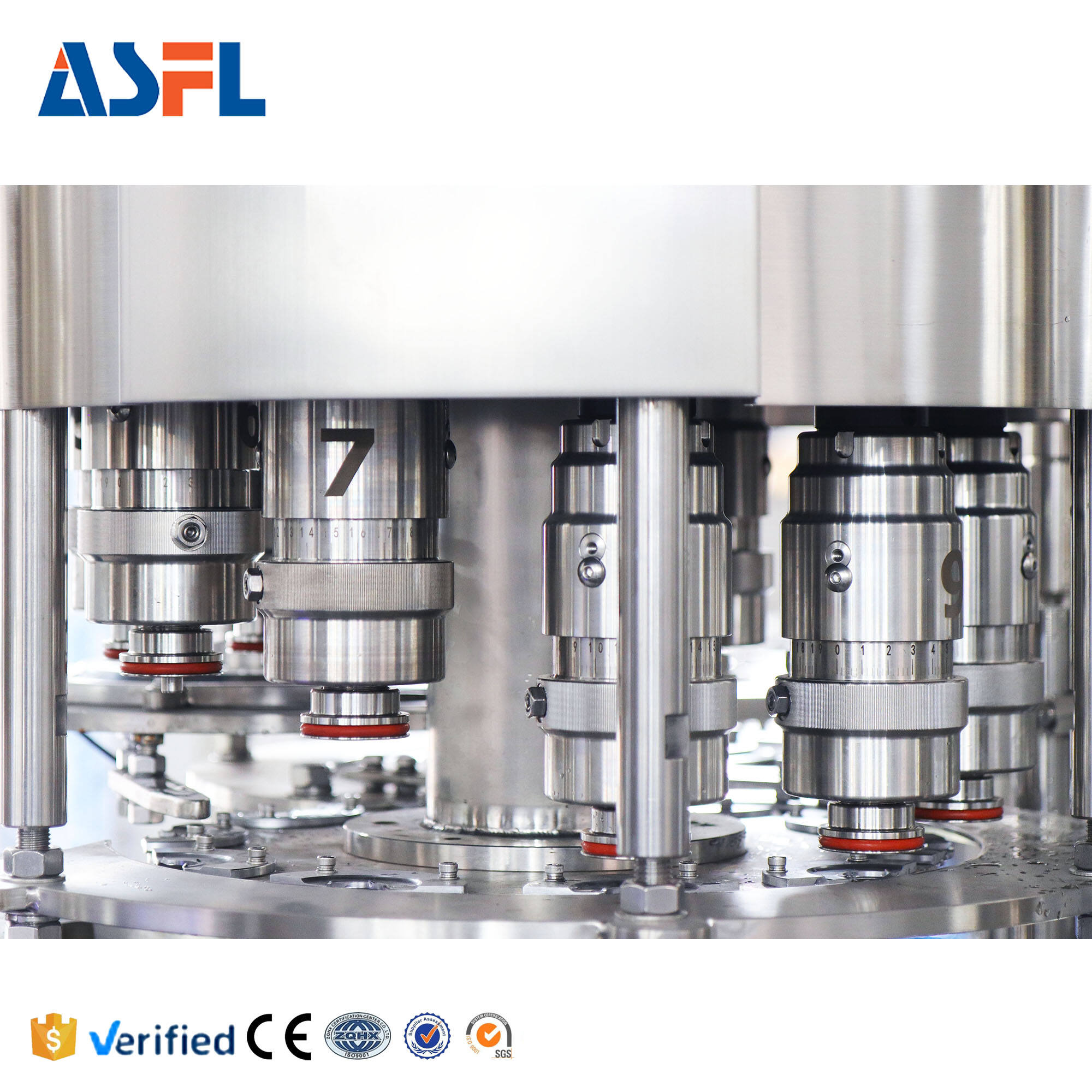
How Water Bottle Filling Machines Support Multiple Cap Types
Mechanical Adaptability in Integrated Capping Stations
Water bottle filling equipment nowadays offers pretty good cap versatility thanks to those modular capping stations equipped with parts that can be swapped out. The systems come with adjustable chucks and grippers that adjust themselves based on the height they need, making them work for various cap sizes from around 28mm up to 43mm and different threading styles too. Take snap caps for instance, these need special pressure heads with springs inside, whereas screw caps call for torque arms that rotate properly. All these components fit into one compact station. When switching between different cap types, operators can get the job done in less than ten minutes thanks to quick release tools. Alignment guides help keep everything straight vertically even when dealing with bottles that have varying neck shapes. This kind of mechanical adaptability means manufacturers can handle all sorts of closures like sport caps, flip top designs, or regular screw lids without slowing down production much. Most machines still maintain impressive output rates above 200 bottles per minute despite handling multiple closure types.
Smart Torque Control and Cap Recognition Sensors
The use of smart sensing tech keeps seals tight no matter what kind of cap is being used. These optical sensors can spot different cap types and figure out their position through pattern matching, which tells the machinery exactly how to handle each specific cap. When it comes time to actually put on the cap, servo motors deliver just the right amount of twist force. Usually around 5 to 15 Newton meters for those twist-on caps, whereas press-on styles need about 20 to 30 Newtons straight down pressure instead. The system constantly watches for problems too. If a cap isn't tightened enough there's a risk of leaks, but if it gets too tight the bottle might get damaged. The whole process works within a margin of error of plus or minus 0.2 Newton meters. Adding infrared tests for seal quality creates a complete feedback loop that keeps defects under 0.1 percent. Best part? It handles all sorts of materials from regular plastics right up to those special metal lined caps without missing a beat.
Monobloc Water Bottle Filling Machine Systems for Rapid Cap Changeovers
Modular Tooling and Quick-Change Design Principles
Monobloc systems bring together filling and capping functions on single rotary platforms, making it easy to switch between different cap styles thanks to standard interface designs. The main parts like chuck assemblies and torque controllers come with snap-in modules that don't need any tools when replacing them. This cuts down on changeover time by around two thirds compared to older equipment setups. These modular systems handle caps ranging from 28 to 38 millimeters across various thread configurations without losing alignment even at top operating speeds. Manufacturers also benefit from color coding on parts and digital guides that help workers verify correct installation, which basically removes those frustrating calibration mistakes that can slow down production runs.
Real-World Efficiency: Leading Bottled Water Producer's Sub-45-Minute 3-Cap Switch
One major manufacturer recently managed to switch from sports caps to flip tops and then screw lids all within less than an hour flat. Previously, changing between different lid types took well over three hours of downtime. The company's monobloc filler made this possible through preset cap settings saved right in the control system. Smart sensors would scan each bottle's neck size as it came along the line and tweak the capping force just right for that particular container. What did this mean? They could produce several different product variants on the same day instead of waiting days for changes. Line efficiency jumped around 40 percent, and nobody had to mess around with manual adjustments anymore. This kind of flexibility matters big time in today's market where packaging styles can completely change every three months or so. Manufacturers need to keep up with what consumers want without breaking the bank on new equipment all the time.
Practical Limits of Cap Compatibility in Water Bottle Filling Machines
Cap Diameter, Thread Pitch, and Material Constraints
Modern water bottle fillers can handle various cap styles, but they still face real limitations based on physics. When caps vary more than 3 mm in diameter, most adjustable chucks simply won't work without some serious mechanical adjustments. The thread problems get even trickier. Fine threads used for medicine bottles just don't match up with the rougher threads found on sport caps, which often leads to cross threading if the machine isn't properly adjusted for torque. And then there's the materials issue too. Different plastics and metals react differently during the sealing process, so what works for one type of bottle might completely fail with another.
- PET screw caps require lower torque (8-10 Nm) to avoid deformation
- Aluminum caps need higher rotational force (12-15 Nm) for hermetic seals
- Silicone-sealed lids demand specialized sensors to verify compression without cracking
Thermoplastic shrinkage also plays a role—polypropylene caps expand ~1.5% post-molding, requiring tolerance buffers in gripping mechanisms. These dimensional and material factors establish the practical envelope where automated cap changeovers remain reliable without hardware modifications.
FAQ Section
What is the significance of mechanical adaptability in capping stations?
Mechanical adaptability allows for easy modifications and adjustments to accommodate various cap sizes and types, making the production process more efficient by reducing changeover times.
How do smart sensors contribute to the efficiency of water bottle filling machines?
Smart sensors enhance efficiency by identifying cap types and adjusting the necessary torque, ensuring that caps are properly sealed without damaging bottles.
What are the limitations of current water bottle fillers in handling different cap types?
Current machines face constraints based on cap diameter, thread pitch, and material, which may require substantial mechanical adjustments to accommodate different styles and sizes.